Roland GK-3B
A unique bass-to-MIDI solution with impressive tracking for those willing to invest time in precise installation.
★★★★☆ 4.4/5 · 27 buyer reviews · 7 min read · updated 2026-10-07 · Tested by Cal Whitaker
Roland GK-3B: MIDI Access for Bassists
The Roland GK-3B stands out as one of the rare solutions for bassists entering the world of MIDI and synth control via their instrument. Priced at $186 and in continuous production since 2005, this hexaphonic pickup is designed to retrofit most four, five, and six-string basses. Its core appeal lies in its compatibility with Roland's extensive range of synthesizer modules, like the GR-55, VB-99, and SY-1000, opening up new sonic possibilities for electric bass.
Design, Compatibility, and Hardware
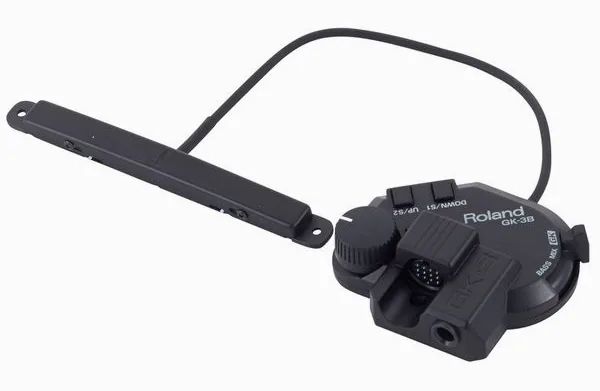
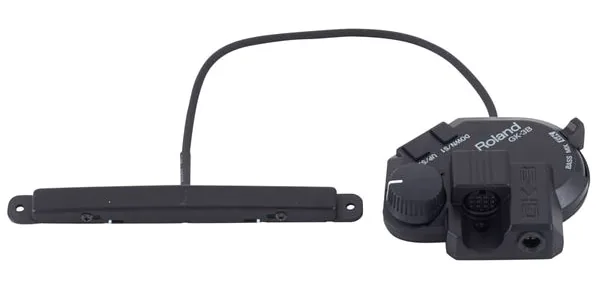
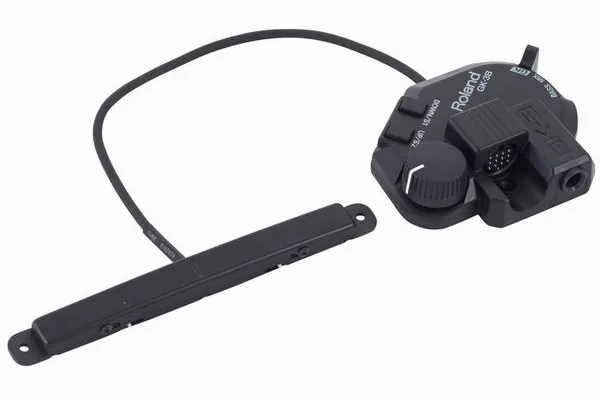
The GK-3B represents a significant improvement over its predecessor (the GK-2B) with a noticeably more compact enclosure, about 30% smaller. Roland's engineering focuses on minimizing the footprint, vital for basses with less space than guitars, while offering a flexible cable length and a large quarter-inch output for direct signal integration. The actual pickup bar's inter-magnet spacing is adjustable from 0.75 inches "jazz bass" style to 0.63 inches for modern six-strings, a practical range covering most popular models.
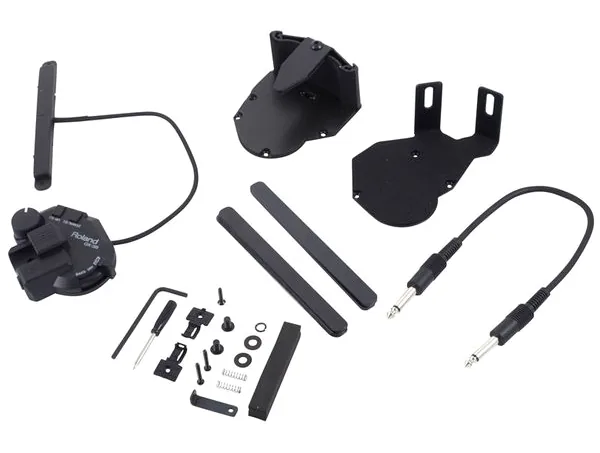
In the box, Roland includes every necessary bracket, adhesive, and screw for mounting, as well as detailed documentation. The range of included accessories and the modular approach in mounting is a clear plus, the system accommodates not just simple top-mounts but even rear body placement for the control module, keeping the look more discreet if desired.
Installation Experience: Precision and Patience Required
One of the most repeated themes across user feedback is installation difficulty. While Roland provides an excellent guide, success depends on careful adjustment of height, position, and spacing. Temporary placements with adhesives can help dial in the correct positioning before committing with screws. The crucial variable is the distance between the strings and the pickup bar, championed by many as demanding "millimeter tolerances." This is essential for even tracking and dynamic response across all strings.
- On four and five-string basses: Most users found a suitable fit, provided they took time to measure precisely and followed the step-by-step approach. Temporary placement with adhesive or even modeling putty is recommended before drilling any holes.
- On six-string basses: The adjustable magnet spacing is a crucial feature, but direct feedback notes a lack of curvature adjustment (unlike the guitar variant), requiring compensation with careful installation or via individual string gain controls on synthesizer hardware.
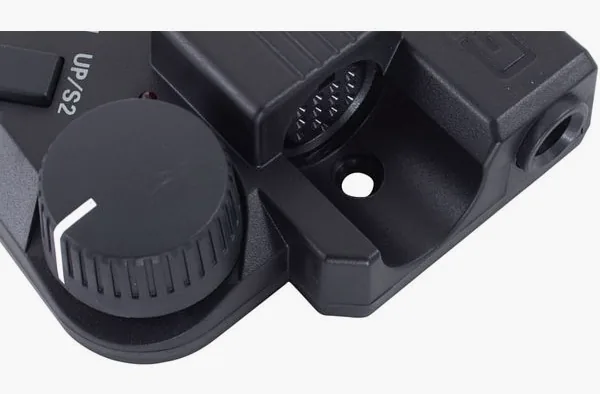
Once installed, players report that the control module, housing volume and bank selection knobs, can protrude and occupy precious real estate on the bass. Mounting it to the rear side or in less intrusive positions is possible, but some still find it clunky. Also, the reliance on a proprietary 13-pin connector (not traditional MIDI DIN) means the GK-3B must be used with compatible Roland gadgets, and the cable is sold separately at extra cost.
Tracking, Latency, and Real-world Performance
When set up correctly, the GK-3B's tracking is widely praised. It responds rapidly, with many users reporting virtually zero perceptible latency, even down to the lowest strings (including the low B). Sensitivity and accuracy are keys: the controller reads dynamics faithfully and delivers clean MIDI triggering, provided your playing technique is disciplined (unwanted string noises will be picked up).
Latency does crop up when using certain synth patches or if the bass action and pickup setup are not ideally matched, but this is more exception than rule. Using the GR-55 or VB-99, users enjoy versatile sound design, ranging from doubling synth bass to advanced layered hybrids for live or studio work. Many describe the experience as transformative, opening new compositional and ambient routes not available with standard pickups. Converts find the MIDI access reliable enough for performances.
Build Quality and Durability
Initial impressions of the plastic enclosure are mixed. Players were divided between surprise at the pickup's durability and concern over the seeming delicacy of the cover, especially when mounting under string tension. Some experienced bending or denting if forceful installation techniques were used. The lack of a more robust metal shell at this price was noted, particularly for gigging musicians who would benefit from tougher hardware on the road.
Limitations and Alternatives
The most frequent criticisms relate to the aesthetic and installation hurdles. The GK-3B adds visible hardware, especially the controller, which may interfere with playing styles or clash visually. The absence of an option for internal installation (apart from expensive custom work, covered by Roland's separate internal kit) limits truly integrated solutions. Also, the system is tightly tied to Roland's own synths, not standard MIDI expander units, due to the proprietary 13-pin output.
Verdict: Expanded Sonic Horizons for the Committed
The Roland GK-3B is not for the casual user, it requires attention to detail during installation and setup, and a willingness to adapt your instrument physically and functionally. However, for dedicated bassists who want to explore advanced synthesis, MIDI effects, or VSTi control directly from their bass, it remains the premier (sometimes only viable) aftermarket choice. When used with active Roland synth units and after the investment in proper fitting and setup, the GK-3B delivers creative flexibility, accurate tracking, and reliable performance.
On balance, the GK-3B is most rewarding for technically minded musicians or studio users ready to embrace a new workflow, and less so for those just wanting to "plug and play." Its unique niche, functional design, and potent capabilities earn it a strong recommendation for adventurous bass players.
Shipping and duties
The retailer ships from its warehouse in Germany. Prices are shown in US dollars and do not include import duties. Orders under roughly $800 usually clear US customs without duty; above that, a duty of a few percent may be collected on delivery. 30-day money-back and a 3-year warranty apply.
Scores by area
Where it shines, where it stumbles
What convinced me
- Accurate tracking and dynamic response when properly installed
- Compatible with four, five, and six-string basses; adjustable inter-magnet spacing
- Numerous mounting options and included installation hardware
- Allows integration of bass with advanced synthesizers (e.g., GR-55, VB-99, SY-1000)
- Clear, detailed installation manual; once set up, reliable performance
What bugged me
- Challenging installation; requires patience and fine adjustment
- Plastic housing may feel fragile for live or heavy use
- No adjustment for neck radius unlike the guitar version
- Dedicated 13-pin cable not included and is proprietary
- Temporary mounting solutions do not offer long-term stability
Is it the right one for you?
Good pick if
Ideal for bassists seeking to integrate MIDI or synth capabilities with their instrument, especially those already using Roland sound modules or synthesizers. Also recommended for technically minded players ready to invest time into detailed setup and calibration.Look elsewhere if
Not suited to players prioritizing quick or tool-free installation, or those uncomfortable with minor hardware modifications. Those preferring all-metal construction or disliking proprietary cabling may be disappointed.Suggested level: Intermediate
Specifications
- Improvement of gk2b
- 30% smaller housing, adjustable cable length
What other players say
Customer experiences reveal that the Roland GK-3B offers real access to MIDI and synth control for bassists, with excellent tracking and expanded sonic options once setup is carefully performed. Installation is consistently reported as finicky and time-consuming, with several users highlighting the need for patience and attention to precision. The plastic construction and proprietary connections receive frequent criticism, though playability and performance generally satisfy musicians seeking advanced features. Users agree that the GK-3B is a powerful addition if approached with technical awareness and the right expectations.
It works great as it should when installed. I found it very annoying to get the right height between pickup and strings because (differently than the guitar version) this one does not have a neck radius adjustment.
The tracking and dynamics are fantastic, but I only achieved reliable results after a permanent installation; you need millimeter-level precision for best performance.
Up close
Watch and listen
Before you decide
Questions players ask
Is the GK-3B compatible with all basses?
It fits most four, five, and six-string basses, but requires enough space for both the pickup and jack; unique designs may pose challenges.
Can I use the GK-3B with standard MIDI gear?
No, it requires Roland's proprietary 13-pin system and compatible synthesizers (like GR-55, VB-99, SY-1000); standard MIDI cables are not supported.
How difficult is installation?
It demands patience and accuracy, especially for correct spacing and securing parts. Users suggest avoiding temporary adhesive solutions for reliable long-term use.
Does it impact the natural sound or playability of my bass?
Proper placement generally avoids major interference, but some find the unit bulky and visually distracting. Incorrect placement or setup can impact string tracking and dynamic response.
Is the GK-3B suitable for live performance?
Yes, but the plastic housing raises concerns about long-term durability, especially for those frequently transporting their bass or playing in crowded stage environments.
The last word from the bench
Roland's GK-3B stands out by enabling bassists to fully explore MIDI synthesis, with compelling tracking and versatile integration. However, installation demands meticulous care and some technical confidence. Concerns about the plastic construction and reliance on a proprietary cable persist, though the range of creative potential is substantial. For those prepared for a challenging setup, the GK-3B unlocks new sonic territory that traditional pickups can't offer.
Hanging next to it

Roland GK-3B
Today's price and delivery time are shown at the retailer.
 Guitar Gear Reviews