MXR SF01 Slash Octave Fuzz
Unmatched for ferocious, characterful octave fuzz textures. The Slash Octave Fuzz is a deep, dynamic pedal for adventurous players who love to experiment.
★★★★★ 4.5/5 · 26 buyer reviews · 7 min read · updated 2026-10-07 · Tested by Cal Whitaker
Overview: The Triple-Effect Concept
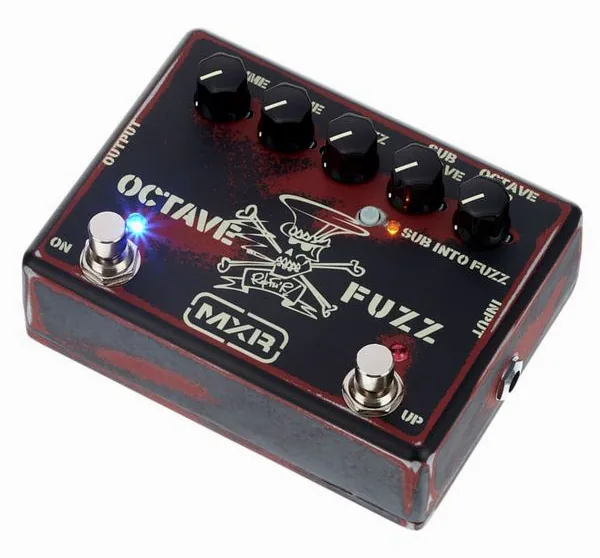
The MXR SF01 Slash Octave Fuzz is an all-analog pedal aimed at guitarists and bassists seeking aggressive and flexible fuzz with octave processing. Released in 2012 as a Slash signature model, its feature list stands out: classic fuzz, a deep sub-octave, and a dedicated upper-octave, all independently blendable for complex textures. Together with hardwired true bypass and an extremely rugged enclosure, the SF01 positions itself as a tool for both creative experimentation and hard-gigging reliability.
Main Features and Control Layout
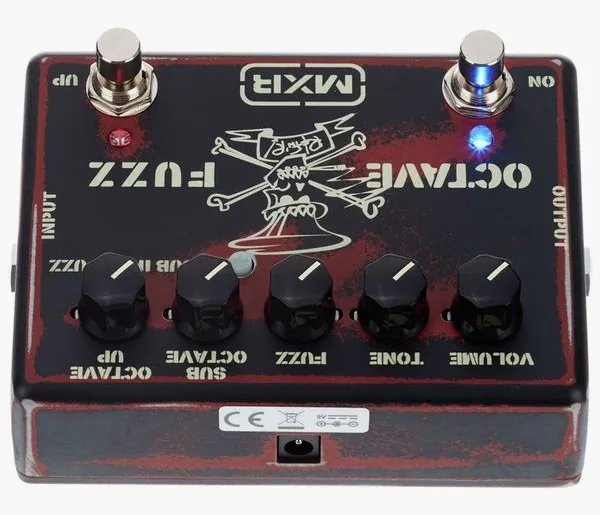
- Analog fuzz circuit: A 1970s-inspired sound with dedicated volume, fuzz gain, and tone controls.
- Sub-octave generator: Separate blend control enables anything from subtle low-end enhancement to full-on "bass pedal" effects.
- Upper octave generator: Also independently blendable, can add cutting harmonics or ring-modulation-style overtones.
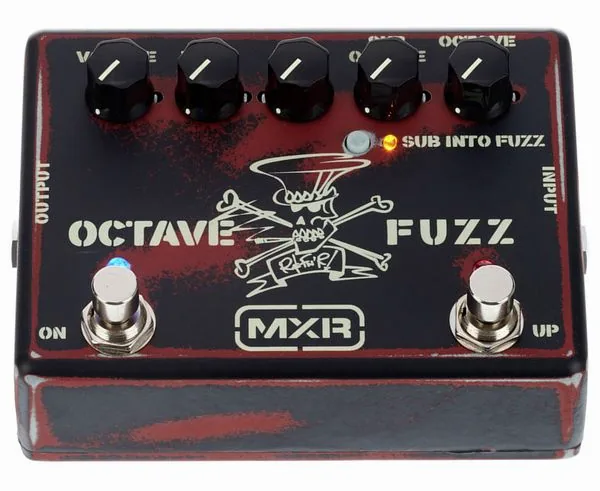
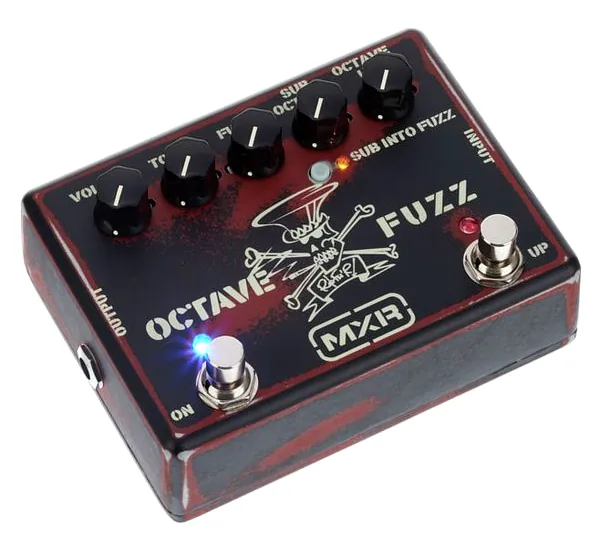
- Double footswitching: The left switch engages the main pedal and sub-octave. The right switch "layers in" the upper octave, only once the pedal is already on.
- Hardwired true bypass: Preserves signal integrity when the effect is off.
The control set is simple at a glance but has interdependent functions: volume, fuzz, and tone only affect the fuzz circuit when the special "sub into fuzz" switch is activated. The "octave sub" and "octave up" knobs always manage the output mix for each voice. While this enables a wide range of sounds, the internal logic requires some learning and can trip up first-time users. For example, adding the upper octave is only possible when the main effect is on. Conversely, you cannot use fuzz without some octave, though setting the octave levels to zero effectively delivers a raw fuzz voice.
Build Quality and Ergonomics
Player reports are unanimous: the SF01 is solidly built, with a battle-ready housing and Slash graphics that stand up to nightly transport. Most switches and jacks are tight, though a few users found the knob resistance could be better. There's an easy-access battery compartment underneath, and the pedal is equally suited to pedalboards or loose on the floor. MXR's analog circuit design means the effect works best as a mono (single-note) device, chords muddy quickly, but single-note riffs and solos track clean, especially with the sub-octave engaged.
Sound in Practice: Versatility and Character
The core fuzz takes obvious inspiration from classic silicon designs, with a slightly aggressive upper-mid focus and moderate sustain; it lands somewhere between "crunchy" overdrive and filthy fuzz. The tone knob lets you boost midrange or exaggerated treble for cutting through band mixes, while increased fuzz brings out a chewy, spitting attack. However, those seeking extreme, heavily gated or synth-style fuzz may find this circuit politely voiced, it rarely dives into wild, unpredictable artifacting.
The sub-octave is the main differentiator. At low blends, it gives the guitar a bottom-heavy single-coil feel. Maxed out, you can effectively substitute for an electric bass in stripped-down or experimental projects, several users highlight this as a practical, full-band solution. The upper octave, engageable via its own switch, adds a raspy, "octavia"-style edge, but always rides atop the fuzz and sub-octave foundation. You cannot solo just the upper octave, though setting the sub to zero gets you close.
Real-World Impressions
- Range: From subtle octave shimmer to face-melting layered sounds, with good dynamic range under your picking hand.
- Sound sculpting: Each voice has its own level; the elaborate routing (sub octave ahead of fuzz, when chosen) means nuanced sculpting, though dialing in your "ideal" setting may take time.
- Responsiveness: With a humbucker-loaded guitar or a bass, the SF01 tracks accurately, even on lower notes, a rare feat among analog octavers. The fuzz circuit copes well before both clean and heavily distorted amp settings.
- Live usability: As noted, switching logic isn't instant; you must plan if you want to change octave combinations mid-song. Some players wish you could enable the upper octave alone or break out fuzz without octaves more easily.
- Noise: Combining all voices at full output can introduce minor hiss or intermodulation artifacts at high gain, typical for analog circuits.
Players who use the SF01 for slide guitar, aggressive rhythm work, or solo boosting note how effectively it commands attention, and many compare it favorably to other MXR octave fuzz options and the classic "Blue Box." Bassists especially praise its tracking and sub-octave power, some prefer the SF01 to digital pitch shifters for analog weight and tactile control.
Several users remark that, despite the visual simplicity, truly mastering the pedal requires time with both instruction manual and ear: the order of voices, the dynamic response of the fuzz, and the balance between "cut" and "blend" rewards careful adjustment. Some find it too aggressive or unrefined for melodic fuzz work, while others say it's perfect for "destroyed" or experimental tones. In all cases, the MXR robustness gets high marks.
Conclusion
The MXR SF01 Slash Octave Fuzz is not a "classic fuzz with a twist", it is a modular, analog, multi-voice platform, tuned both for retro ferocity and modern, experimental layering. Whether you play adventurous guitar, bass, or genre-bending projects, it offers unique texturing and versatility. Its operation may demand patience, but the rewards are in creative sonic chaos and focused, stage-ready tone. Not for everyone, and not a "set-and-forget" box, but a high-grade, distinctive effect for players who want more layers in a reliable analog enclosure.
- Strengths: Analog solidity, deep octave voices, excellent bass/guitar tracking, real-world gigging toughness.
- Limitations: Setup logic takes learning, fuzz-only or octave-only usage not fully independent, some noise at extreme settings.
At $185 street price, the MXR SF01 Slash Octave Fuzz delivers real value for tone creators and fans of muscular analog effects. It stands apart from most single-voice fuzzes and digital octave processors by giving you hands-on, real-time sculpting power with a stadium-sized personality.
Shipping and duties
The retailer ships from its warehouse in Germany. Prices are shown in US dollars and do not include import duties. Orders under roughly $800 usually clear US customs without duty; above that, a duty of a few percent may be collected on delivery. 30-day money-back and a 3-year warranty apply.
Scores by area
Where it shines, where it stumbles
What convinced me
- Distinctive analog fuzz and octave effects deliver highly versatile tones
- Fully independent controls for sub-octave, octave up, and fuzz circuits
- True bypass construction with robust and attractive housing
- Suited for both guitar and bass, capable of striking modern and vintage sounds
- Supports a wide spectrum from subtle to extreme sonic experimentation
What bugged me
- The interface can initially be confusing due to multiple context-dependent controls
- Cannot engage the octave up effect independently from the sub-octave
- Fuzz character may be too mild or sharp for traditional or 'spacey' fuzz seekers
- Tracking is monophonic, unsuitable for playing chords cleanly
- Requires dedicated tweaking to find the ideal settings, which may be time-consuming
Is it the right one for you?
Good pick if
Ideal for fans of experimental and genre-spanning effects, especially those who want bold octave and fuzz combinations. Great for players seeking a versatile tool for lead, bass, or textural work, and those inspired by signature artist sounds.Look elsewhere if
Not suited to vintage purists looking for traditional fuzz or players needing plug-and-play simplicity. Chordal players and those expecting polyphonic tracking may be disappointed. Some may find the fuzz too tame or sharply voiced.Suggested level: Intermediate
Specifications
- Overdrive
- No
- Distortion
- No
- Fuzz
- Yes
- Metal
- No
- Effect types
- Octaver
What other players say
User feedback consistently highlights the MXR SF01's flexible tonal options, unique combination of fuzzy and octave voices, and sturdy build quality. Some praise it as ideal for both classic rock and experimental setups, while others note the learning curve in understanding its controls. Critiques mostly address the inability to fully separate certain effects and the pedal's mid-gain fuzz character, which divides traditionalists and sonic explorers alike.
The pedal is extremely usable and fun to work with! I'd pick this over any standard plain old fuzz any day.
You can use the pedal purely as an octave down pedal by not using the 'Sub into Fuzz' switch, and even add an up octave on top of that.
If you're looking for an aggressive fuzz that's still a bit creamy and cuts nicely, this is the right choice.
Up close
Watch and listen
Before you decide
Questions players ask
Can the fuzz and octave effects be used independently?
The pedal allows the sub-octave to be used independently, but the fuzz cannot be engaged alone without octave involvement. However, the individual volumes for octave up and sub-octave let you effectively minimize certain effects as needed.
Is the pedal difficult to operate for new users?
Some users find the multiple switching logic and context-dependent controls tricky at first. Spending time with the manual and experimenting is recommended to fully unlock the pedal's capabilities.
Does the pedal work well with bass guitar?
Yes, several users report excellent results on bass, praising the sub-octave's tracking and the added depth when paired with the fuzz, particularly for heavier rock styles.
Is this pedal suitable for classic fuzz tones?
While the fuzz circuit is inspired by 1970s voicings, it may not satisfy those seeking classic 'vintage' or extremely saturated fuzz. Instead, it excels at modern and aggressive textures, often with octave character.
Are the octave effects polyphonic?
The octave processing is strictly monophonic, designed for single-note lines and not for chords. Playing complex harmonies will sound unclear.
The last word from the bench
MXR's SF01 Slash Octave Fuzz shines through its multi-voiced analog engine and rugged craftsmanship. Its powerful octave sections and gnarly fuzz offer creative possibilities unavailable in most competing pedals. While not for those chasing a classic, straightforward fuzz, it remains an excellent choice for players who desire a distinctive tool for innovative or genre-bending sounds. Its learning curve pays off with a unique and inspiring effect experience for both guitar and bass.
Hanging next to it
MXR SF01 Slash Octave Fuzz
Today's price and delivery time are shown at the retailer.
 Guitar Gear Reviews