MXR Dyna comp 1976
The MXR Dyna Comp 1976 remains a classic for expressive, punchy compression with a recognizable character. Its robust build and simple controls suit those after vintage sound and reliability.
★★★★★ 4.5/5 · 166 buyer reviews · 7 min read · updated 2026-09-29 · Tested by Cal Whitaker
Overview
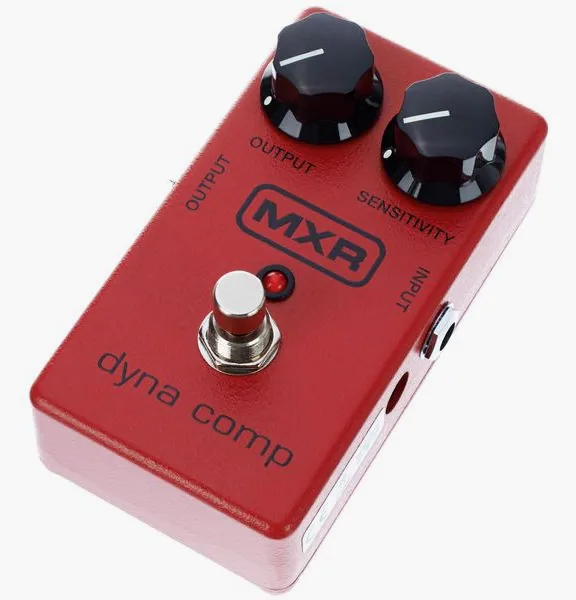
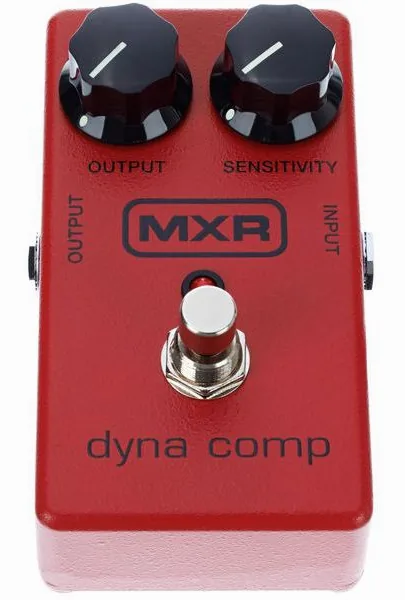
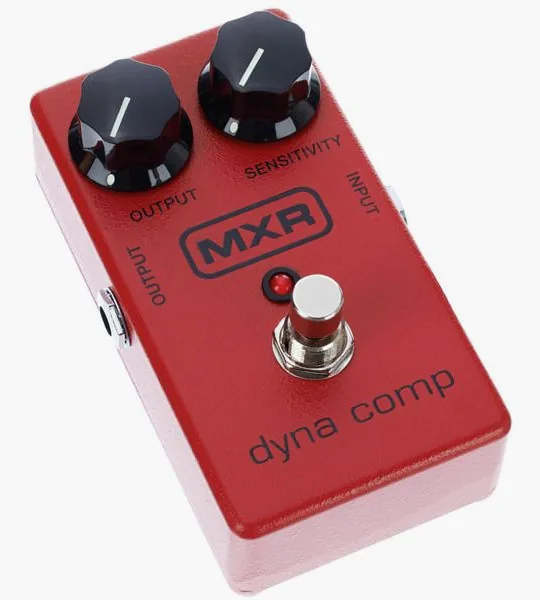
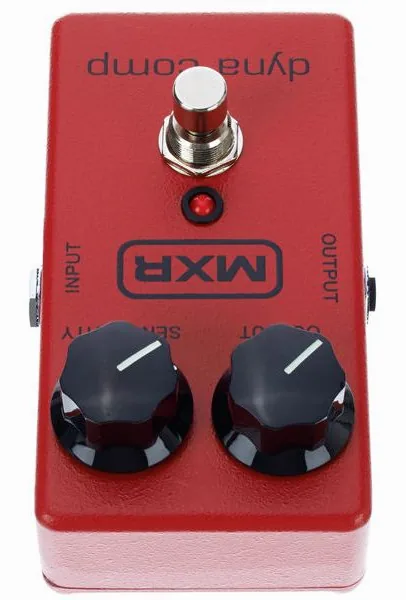
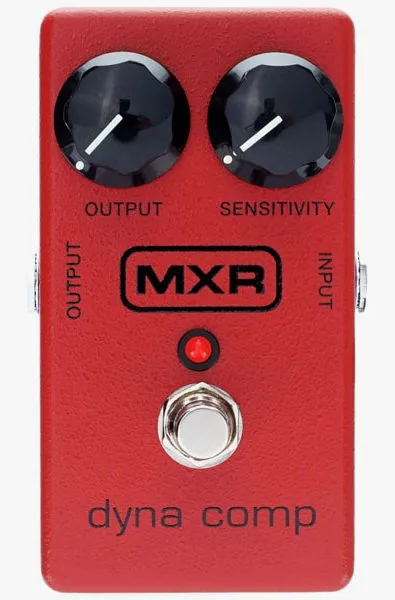
The MXR Dyna Comp 1976 is a two-knob analog compressor pedal with a reputation that spans decades. MXR's hallmark is a reliable, no-nonsense build and the Dyna Comp is no exception. It presents a compact, red die-cast metal enclosure, analog circuit, input and output on quarter-inch jacks, and simple controls: Output (volume) and Sensitivity (compression amount). Power comes from a nine-volt battery or an external DC nine-volt adapter (not included). This unit, offered since November 1999 at around $95 per piece, aims to deliver musical compression for both guitar and bass, favoring utility and reliability over elaborate features.
Build Quality and Ergonomics
The robust metal housing feels reassuringly solid in hand and underfoot. MXR's manufacturing is widely praised for its durability. Hardware such as jacks and footswitch are reliable, and the external finish, a bright red paint, is visually striking if sometimes prone to chipping at the corners after heavy touring. The pedal's weight and small footprint help keep it from sliding around, but the absence of a rubber base is notable. Many users resort to aftermarket rubber pads or Velcro to secure it to pedalboards or stages. The knobs are spaced widely enough for easy adjustment, and the included large rubber covers make on-stage tweaks feasible, even with shoes. Battery access is via four screws on the base, a classic but less convenient arrangement for frequent battery changes.
Controls and Feature Set
As with the original 1976 model, the Dyna Comp offers just two controls: Output (level adjustment) and Sensitivity (compression threshold). This simplicity makes dialing in a sound fast, especially in performance contexts. However, the pedal doesn't provide a separate control for attack or release time. The circuit, updated from the original's CA3080 chip to the quieter LM13700, retains vintage character but with reduced noise at the output, a practical upgrade for modern pedalboards. The bypass here is electronic, not true mechanical bypass, slightly coloring the signal and a key trait of vintage versions. This aspect is decisive for purists: those demanding absolute transparency may look elsewhere, but for most gigging players and studio musicians, the characterful bypass is part of the Dyna Comp's DNA.
Performance and Tone
Engaging the Dyna Comp 1976 on a clean tone, especially with single-coil-equipped guitars like those made by Fender, delivers a signature "snap" and percussiveness. It excels at leveling out picking dynamics while enhancing sustain, making it a favorite for country ("Nashville secret weapon"), funk, and blues. Country pickers quickly get the iconic chicken-picking pop; funk rhythm players praise the glassy, tight attack. In solo or distorted contexts, such as pairing with a distortion or fuzz pedal, the Dyna Comp boosts sustain into singing, violin-like territory and helps keep leads articulate in a dense mix. With humbucker-equipped guitars, compression remains firm but shifts to a thicker, weightier character, great for robust rock rhythm work.
This pedal does impart its own color. It is not a transparent, studio-style compressor: the Dyna Comp rounds out transients and imparts a warmer, slightly rounded midrange. Many users celebrate this, calling it "musical" and "full", but players seeking crystalline, untouched dynamics will find its character unmistakable. There's a downside: at high compression, background noise becomes evident, a known trait of analog compression. While most modern digital compressors are quieter, the trade-off here is classic tone. Adding a noise gate after the Dyna Comp in your signal chain effectively mutes any idle hiss during high-sustain settings.
Everyday Use and Musical Contexts
Over years of field use, guitarists keep the Dyna Comp on their board for its simplicity and how it delivers timeless tone with minimal fuss. For regular clean "always on" compression, setting Sensitivity low and Output high offers a boosted, uniform foundation. Pushing Sensitivity up yields longer sustain for solos and brings out subtle notes in arpeggios, ideal for lead parts and melodic work. The pedal can double as a clean boost by turning down Sensitivity and raising Output, although some users say it sounds bright as a boost and miss a tone or EQ knob for finer tuning.
The pedal pairs well with vintage tube amplifiers (Vox, Fender, Rivera) and complements both single-coil and humbucker guitars. It's also practical on bass, especially for players needing tight, even note volume. Some users appreciate its ability to make reverb or delay trails stand out without over-processing the source tone.
Limitations
- No control over attack/release parameters. Dynamic response is factory-set and "soft knee," so it transitions smoothly but lacks the fine adjustability of contemporary compressors.
- Noticeable noise floor at high sensitivity or with high-gain setups. Digital emulations and some modern analog pedals are quieter, but lack the same vintage charm.
- No tone or blend control. All compression color is present in the final sound, so subtlety is not its strength, this is a compressor with personality.
- Bass access requires unscrewing the back plate, which is less convenient for frequent battery users.
- No power supply in the box, and the side positioning of the power jack may not suit every pedalboard layout.
Conclusion
The MXR Dyna Comp 1976 isn't just an effects pedal; it's an institution on pedalboards around the world. If you need quick setup, tough-as-nails construction, and an instantly recognizable compressed tone (with a full, organic "squash"), this pedal excels. It earns its enduring place for chicken pickers, rock soloists, blues rhythm players, and anyone wanting their signal tight, punchy, and musical. There are quieter or more flexible options out there, but few offer the same blend of price, heritage, and personality that define the Dyna Comp legacy.
Shipping and duties
The retailer ships from its warehouse in Germany. Prices are shown in US dollars and do not include import duties. Orders under roughly $800 usually clear US customs without duty; above that, a duty of a few percent may be collected on delivery. 30-day money-back and a 3-year warranty apply.
Scores by area
Where it shines, where it stumbles
What convinced me
- Extremely robust and durable metal case
- Delivers signature, punchy compressed sound popular in rock, funk, and country
- Simple interface with only Output and Sensitivity controls, ideal for plug-and-play use
- Effective sustain enhancement, especially with clean tones and single-coil pickups
- Small format fits easily on any pedalboard
What bugged me
- Noticeable background noise at higher compression settings
- Lacks attack and tone controls, limiting fine-tuning options
- Paint can chip easily and lacks a true non-slip rubber base
- Compression is not transparent; alters the tone noticeably
- Not ideal for those seeking subtle or studio-style compression
Is it the right one for you?
Good pick if
Ideal for guitarists who want straightforward, vintage-style compression with pronounced character, especially fans of funk, country, blues, and classic rock sounds. Excellent for those needing rugged build quality and simplicity on stage, as well as players with single-coil guitars seeking more punch and sustain.Look elsewhere if
Not suited for musicians needing total control over compression parameters or seeking maximum transparency. Those looking for an ultra-quiet pedal, or who require highly versatile, modern studio-style compression, may want to explore alternatives.Suggested level: Intermediate
Specifications
- Controls
- Output, Sensitivity
What other players say
Customers consistently praise the MXR Dyna Comp 1976 for its sturdy construction, iconic sound, and ease of use. Many note its capacity to add sustain and punch to clean as well as overdriven sounds. However, several reviews mention the persistent background noise at higher compression levels and the lack of flexibility due to missing tone and attack controls. Users broadly see it as a classic, straightforward pedal ideal for delivering vintage compression but less suited for subtlety or maximum versatility.
The pedal brings an amazing percussive sound and warm sounding compression overall.
Robust liten sak! känns som man kan tappa den från ett par våningar upp utan att något skulle hända!
Simplemente espectacular. Denna pedal tar bort allt spretigt i din ton och tightar verkligen till ljudet!
Up close
Watch and listen
Questions players ask
Does the MXR Dyna Comp 1976 add noticeable noise to the signal?
Yes, the Dyna Comp 1976 produces some background noise at higher compression settings, which is typical for its analog circuit. Using a noise gate can help manage this effect in clean or studio contexts.
Is this pedal transparent, or does it color the sound?
This compressor is known for its distinctive coloration. It rounds out the sound, adds attack and presence, and imparts a characteristic punch, rather than operating transparently.
Is the MXR Dyna Comp 1976 versatile for different music styles?
While excellent for funk, rock, blues, and country, its limited controls and pronounced character make it less adaptable for genres requiring subtle or highly tailored compression settings.
Can I power the MXR Dyna Comp 1976 with a standard power supply?
It runs on a 9V battery or a 9V DC power adapter, but the adapter must be purchased separately. It's advisable to use a clean, isolated supply for optimal performance.
Is it suitable for beginners?
Yes, the straightforward design makes it easy for beginners to use. However, those wanting broader control over compression parameters may outgrow it as their needs evolve.
The last word from the bench
The MXR Dyna Comp 1976 is a legendary compressor, highly regarded for its musical punch and straightforward usage. While it doesn't offer the flexibility or transparency of modern studio compressors, it excels at adding character, sustain, and presence to both clean and driven guitar tones. The pedal's background noise and lack of adjustability are notable, but for players who prioritize vibe, sustain, and simplicity, it stands out as a workhorse. Ultimately, this is a must-have for anyone seeking that classic, colorful compression in a tough, road-ready pedal.
Hanging next to it
Before you decide
MXR Dyna comp 1976
Today's price and delivery time are shown at the retailer. Affiliate link, your price does not change.
 Guitar Gear Reviews