Line6 Powercab 112
The Line6 Powercab 112 stands out for its versatility and sound quality, making it a top pick for digital modeler users despite its price.
★★★★★ 4.5/5 · 9 buyer reviews · 7 min read · updated 2026-10-07 · Tested by Cal Whitaker
Line6 Powercab 112: A Closer Look at the Versatile Active Speaker
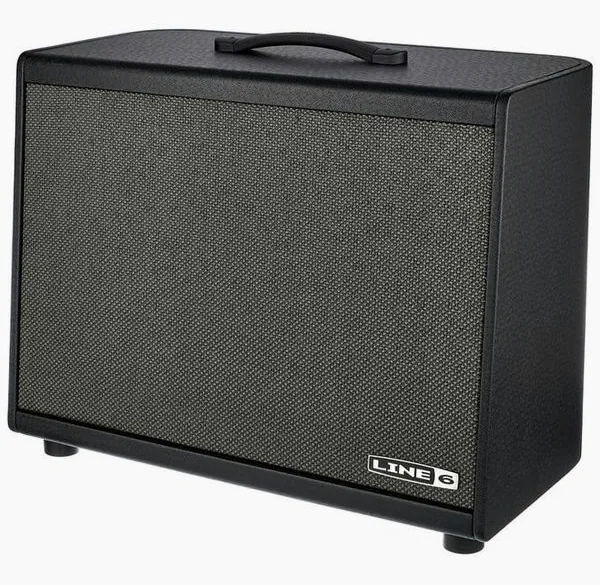
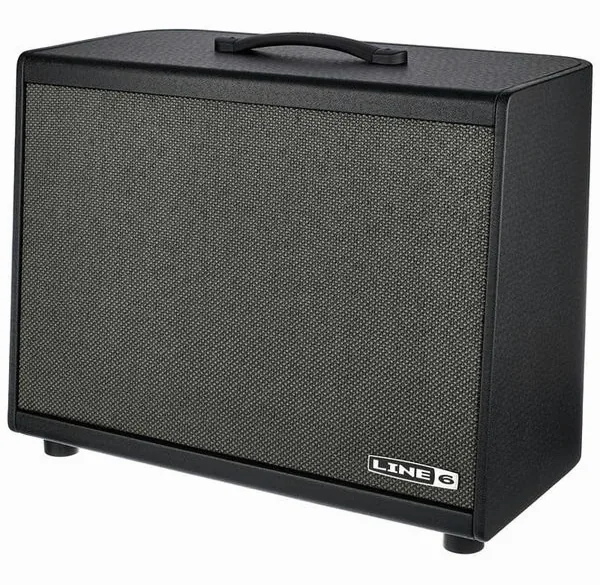
The Line6 Powercab 112 fills a distinct niche for guitarists who rely on digital amp modelers and want authentic stage feel. Designed for direct integration with processors like the Helix, Kemper, and Axe FX, this unit brings together high-power amplification and flexible speaker simulation in a single, gig-friendly enclosure.
Technical Specifications and Build Quality
- Speaker configuration: single twelve-inch driver with a one-inch compression tweeter
- Power rating: 250 watts at eight ohms, with a maximum sound pressure level of 125 decibels at one meter
- Frequency range: 70 Hz to 20 kHz, supporting both guitar fundamentals and effect-heavy high end
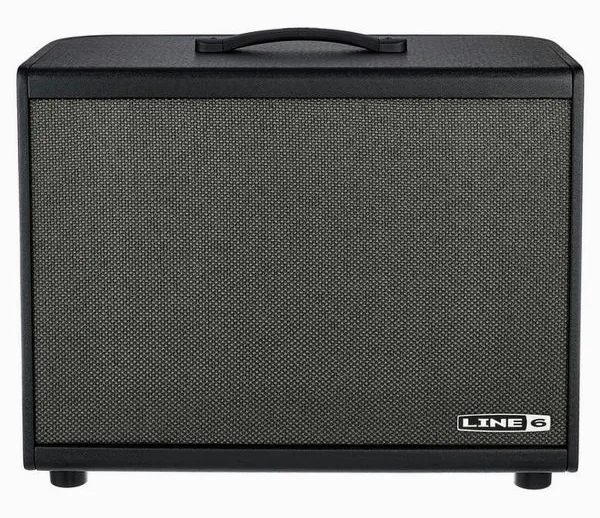
- Dimensions and weight: 567 x 462 x 305 millimeters, weighing just over 15 kilograms (33 pounds)
- Connectivity: includes a USB audio interface, making for direct recording or integration into digital setups
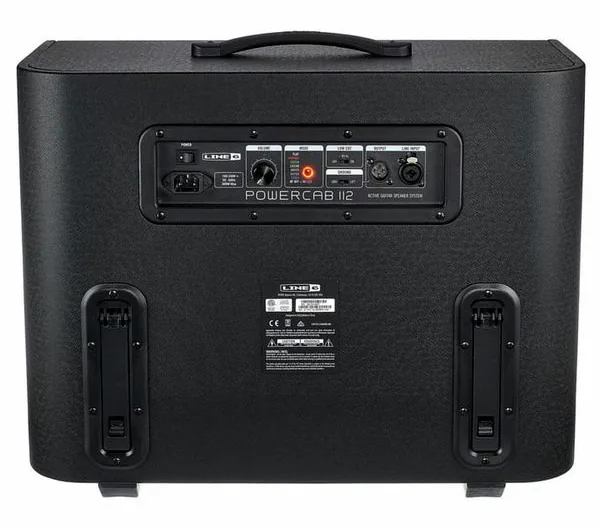
- Additional features: fold-out feet for monitor placement, rear-panel controls, and six built-in speaker simulations alongside slots for third-party cabinet impulse responses
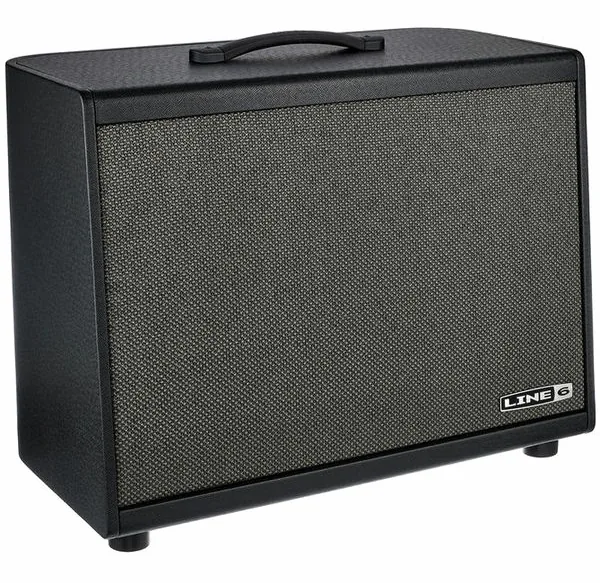
The enclosure is notably solid, and reviewers consistently describe the build as robust enough for rehearsal and demanding live applications. Folding feet allow angling the unit as a monitor, which broadens its sound dispersion and helps with stage monitoring in practice and rehearsal environments.
Sound Quality and Performance
User feedback frequently highlights that the Powercab 112 delivers convincing guitar amp character, even at low volume. Whether you're playing quietly at home or running loud in rehearsal, the frequency response remains coherent and full. The twelve-inch speaker, paired with the high-frequency driver, gives credible punch and clarity throughout the frequency range.
Several users mention that the integrated cabinet simulations have a clear, dynamic response compared to basic full-range, flat-response speakers. Swapping between settings can completely reshape the amplifier's character, allowing guitarists to tailor their tone to genre or setlist within seconds. For those using modelers like the Helix, the "neutral" mode of the Powercab provides transparent reproduction, closely matching what you'd expect from top-tier headphones during tone crafting.
The Powercab's volume reserves satisfy even demanding band contexts. Testers have noted little unwanted noise, even when pushing the output beyond three-quarters of maximum. The dynamic headroom is enough for club gigs or as a personal monitor in larger venues. Still, some users find the rear-panel placement for controls less than ergonomic, especially when the cabinet is positioned at an angle.
Speaker Modeling and Impulse Response Features
The Powercab 112 comes outfitted with six embedded speaker types and accepts user-loaded third-party cabinet impulse responses via USB. This makes it easy to experiment beyond the internal presets for players chasing a particular sound or replicating classic cabs. For some, these internal models are a highlight, especially when modelers lack sophisticated onboard IR management. Others, however, call the built-in IR capability surplus if most of the tone shaping is already handled by their amp modeler.
- Six internal digital cabinet models offer significant tonal variation, each emulating a classic cabinet signature
- Third-party impulse responses can be loaded for deep customization
- Real-time switching between cabinet models on stage makes for seamless set changes
The speaker simulations provide more "air" and tactile feel than flat-response setups, with many musicians reporting a significant difference compared to basic FRFR (full-range, flat-response) boxes. For those who primarily use high-spec modelers with loaded impulse response libraries, the redundancy of extra IRs inside the Powercab may be noticeable, but for plug-and-play flexibility, the feature earns praise.
Real-World Impressions: Pros and Cons
Musicians praise the Powercab's ability to retain sonic character and articulation across a range of modelers and preamps, from Helix to Kemper and Hotone Ampero. The unit responds well to subtle changes in playing dynamics and amp modeling tweaks, translating the nuances of clean and saturated tones alike. Stereo setups (by adding a second Powercab) are often cited as a logical upgrade path for larger stages or richer ambience.
- Pros:
- Strong, transparent amplification with convincing "amp in the room" feeling
- Multiple speaker types and IR capabilities for deep tone flexibility
- Sturdy construction and adaptable positioning
- Sufficient volume for rehearsal and most gig scenarios
- USB audio interface expands recording and integration options
- Cons:
- Back-panel controls can be inconvenient to access during real-time sound checking
- The unit's weight may be noticeable during frequent transport
- Pricing sits higher than barebones FRFR speakers, if IR features are not needed, some may wish for a streamlined, more affordable version
Occasional criticism comes from players who prefer the sound and "give" of analog tube amplifiers, with some returning the Powercab after finding it didn't completely capture their idea of a classic electric guitar sound. Otherwise, positive remarks focus on how faithfully patches built on headphones translate onto stage, which isn't always the case with flat-response speakers or smaller, cheaper cabinets.
Conclusion: Who Should Consider the Powercab 112?
The Line6 Powercab 112 stands out for digital guitarists prioritizing versatility and stage-ready power. It bridges the gap between studio-crafted patches and live performance, giving reliable, consistent tone whether leaning on factory simulations or custom IRs. Its robust output and touch-sensitive response shine with modern amp modelers but may be excessive for players uninterested in advanced cabinet modeling. For those wanting simple plug-and-play transparency, the Powercab 112 remains a staple recommendation, and for anyone planning to step from rehearsal to the stage with a digital rig, it's a tool worth trying firsthand.
Shipping and duties
The retailer ships from its warehouse in Germany. Prices are shown in US dollars and do not include import duties. Orders under roughly $800 usually clear US customs without duty; above that, a duty of a few percent may be collected on delivery. 30-day money-back and a 3-year warranty apply.
Scores by area
Where it shines, where it stumbles
What convinced me
- Delivers dynamic and detailed sound at any volume
- Flexible with multiple cabinet simulations and the ability to load custom impulse responses
- Integrates well with modern guitar processors and profilers
- Sufficient power for small to medium venues
- Inclined mode improves sound diffusion and projection
What bugged me
- Rear placement of volume and EQ controls is inconvenient, especially when tilted
- Heavier than some competitors and lacks wheels
- Cabinet simulations onboard may be redundant for users already using advanced modelers
- More expensive than basic active speaker solutions
- Some users find the sound less authentic compared to tube amps
Is it the right one for you?
Good pick if
Ideal for guitarists relying on digital amp modelers and multi-effects units, as well as those seeking accurate, powerful stage or rehearsal amplification. Great fit for users needing flexible cabinet sounds and those who want seamless integration with processors like Helix, Axe FX, or Kemper.Look elsewhere if
Not recommended for purist tube amp enthusiasts unwilling to compromise on analog feel, or for musicians prioritizing portability and light weight. Also less suited to those on tight budgets or not using digital modeling gear.Suggested level: Intermediate
Specifications
- Max. load
- 250 W
- Impedance
- 8
- Weight
- 15,1 kg
- Power rating in w
- 250
- Speaker setup
- 1x 12"
- Ht driver
- Yes
- Cabinet simulation
- Yes
- Weight in kg
- 15.1
- Dimensions in mm
- 567 x 462 x 305
What other players say
Customer feedback highlights the Powercab 112's impressive sound clarity, strong integration with digital guitar processors, and reliability for both rehearsal and stage use. Many users report that the flexible speaker simulations and the cab's dynamics make a notable difference compared to basic flat response speakers. The convenience and build are often praised, though some mention the weight and high price. For some, the tactile feel falls short of traditional tube amps, but for most, it is a valuable addition to any digital guitarist's setup.
The advantage is that it sounds good at any volume; the speaker simulations are satisfying.
The Powercab, on the other hand, sounds as you want and need, period.
I recommend the Line6 Powercab 112 highly, unbeatable value for money... and truly unlocks the potential of the Helix.
Up close
Watch and listen
Before you decide
Questions players ask
Does the Powercab 112 work well with all digital amp modelers?
It integrates seamlessly with most modern processors such as Helix, Axe FX, and Kemper, offering both cabinet simulations and flat response modes.
Can I load my own impulse responses into the Powercab 112?
Yes, the Powercab 112 supports third-party cabinet simulation impulse responses, letting you tailor your sound.
Is it suitable for live gigs in larger venues?
It is powerful enough for small to medium venues, but for larger spaces or stereo setups, consider using two units.
Are the onboard cabinet simulations necessary if I already use IRs in my modeler?
Not strictly; onboard sims are convenient, but many users prefer their modeler's IRs for greater customization.
Is the Powercab 112 portable and easy to transport?
It is solidly built but on the heavier side and lacks wheels, so frequent gigging musicians may need a trolley or two-person handling.
The last word from the bench
Line6 Powercab 112 effectively bridges the gap between flat response and true amp cabinet feel for users of digital amp modelers, excelling in both live and rehearsal scenarios. While the unit is heavier and comes at a higher price point, its sound clarity, power, and flexibility justify the investment for most professionals. The onboard cabinet simulations add value, though modeler owners may rely on their own IRs instead. On the whole, this is a robust, reliable solution for anyone seeking authenticity and power from their digital rig.
Hanging next to it
Line6 Powercab 112
Today's price and delivery time are shown at the retailer.
 Guitar Gear Reviews