Digitech DOD Phasor 201
A vintage-style analog phase pedal with a subtle character, simple controls, and solid sound quality.
★★★★★ 4.5/5 · 8 buyer reviews · 6 min read · updated 2026-10-06 · Tested by Cal Whitaker
Overview: Classic Analog Phaser Reimagined
The Digitech DOD Phasor 201 reissue marks a return to form for one of the most famous single-knob analog phaser pedals from the 1970s. Launched again in March 2023, this updated version retains the minimalist control interface that set the original apart, now housed in a lightweight aluminum enclosure and upgraded with modern circuitry, true bypass switching, and a standard nine-volt DC power input. Priced at $96, it sits at the affordable end of the boutique phaser segment while aiming for authentic analog phase tones with maximum simplicity.
Construction and Features
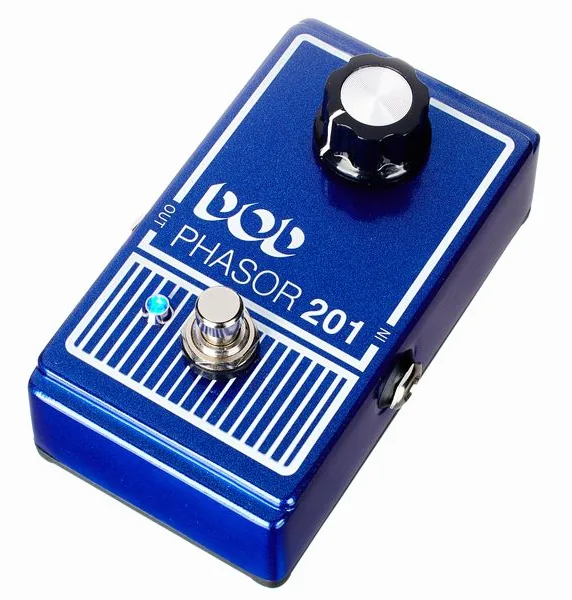
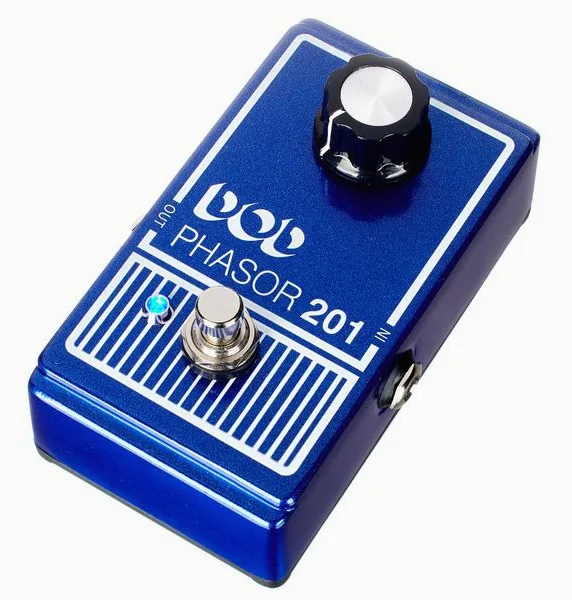
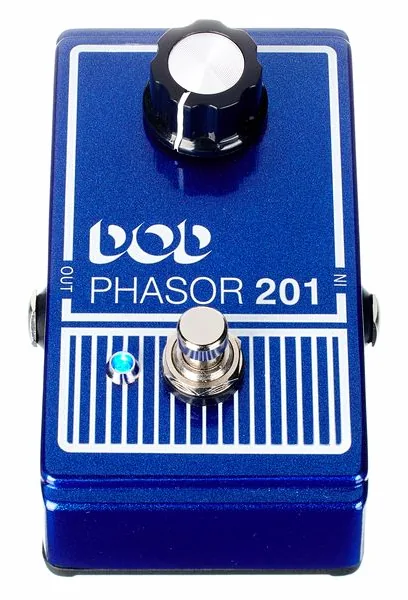
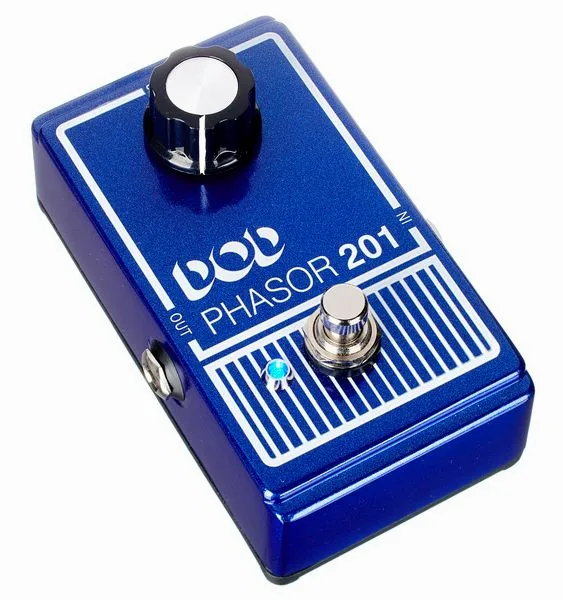
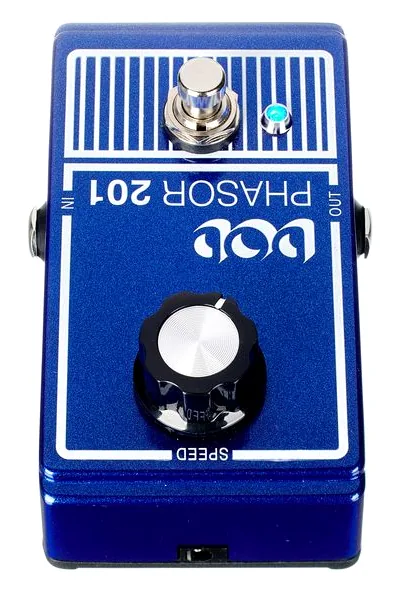
- Enclosure: The chassis uses aluminum for reduced weight, but user feedback notes that both the casing and finish can feel less robust and a bit "cheap" compared to some other pedals. That said, switch and knob operation feel precise and satisfyingly solid.
- True Bypass: The updated switching design ensures that your signal remains unaffected when the pedal is off, an expected but welcome change from vintage units.
- Power: The upgraded nine-volt DC connector allows for modern pedalboard integration. There's no battery compartment, and the matching power supply must be purchased separately.
- Control Layout: True to the original, there is a single rate knob. There are no extra switches, depth, or resonance controls, keeping the interface nearly impossible to get wrong for on-the-fly tweaks.
Tonal Range and Usability
The DOD Phasor 201 is engineered for a wide sweep but keeps the phase effect on the subtle side, especially compared with high-profile competitors like the MXR Phase 90. The intensity of the phase modulation is uniquely tied to the speed: as you turn up the rate knob, the effect becomes faster but not deeper. This approach prevents the classic "warbly" or overbearing sound that can sometimes plague phasers at high speeds.
- Low Speed Settings: With the rate knob set low, the pedal delivers a sound reminiscent of a Univibe, with lush, swirling textures that work well for blues, reggae, classic rock, or psychedelic styles. It maintains a rounded, fluid motion that sits behind your notes rather than dominating them.
- Middle Range: The middle of the knob's travel yields a phase sound somewhat like a scooped-out chorus. This spot divided opinion: some found it inspiring for old-school modulation, others felt it lacked the sweet spot found at low or high rates.
- High Speed Settings: With the knob reached all the way up, the effect begins to imitate a rotary speaker with a Leslie effect texture, vibey but never harsh. However, several players noted they wished it would go just a little faster. The pedal never tips into shrill or overwhelming; even at full speed, it retains a musical, smooth character.
Position in the Signal Chain
The Phasor 201 works both in front of and after overdrive and distortion pedals. When placed before gain, it produces a "circular breath" effect that some found slightly noisy with fuzz on clean-up settings, but that noise faded into the mix during full gain playing. On clean or lightly overdriven amps, the phasing effect stays clear and unobtrusive, making it suitable for everything from subtle color to pronounced movement in solos and rhythm.
Comparison: DOD Phasor 201 vs. MXR Phase 90
Direct comparisons with the MXR Phase 90 are inevitable, as the latter is widely seen as the benchmark for one-knob phasers. The DOD model separates itself with a gentler overall phase and slightly less intensity, particularly at slower speeds, which gives it an edge for players seeking a milder effect. Where the Phase 90 can be aggressive and upfront, the DOD is content to shimmer in the background or add vintage character without taking over. According to several users, if you own a Phase 90, the DOD Phasor 201 doesn't replicate its sound but offers a complementary alternative, particularly for vintage rock, blues, or retro-influenced genres.
Practical Use and Application
- Genres: The Phasor 201 excels in classic rock, reggae, blues, and retro-inspired music. It may not be the most obvious choice for funk players seeking a sharper, more pronounced phase sweep, but its flexibility fits well with guitar, bass, and keys.
- Simplicity: Its one-knob design is its strength; you don't spend time dialing in complex settings or second-guessing modulation depth or feedback. If you want straightforward, predictable results with a touch of analog warmth, this is a major plus.
- Quiet Operation: Noise is minimal on clean settings; minor hiss can appear before heavy distortion but is masked in live or recording contexts.
Verdict: Vintage Tone, Modern Design, Accessible Price
At $96, the Digitech DOD Phasor 201 delivers a classic analog phaser experience with carefully updated features for today's pedalboards. Its subtle, smooth phase sweep remains musical in every context, never venturing into harshness or overwhelming your sound. While the enclosure might lack the premium feel of pricier boutique models, the effect quality stands out, especially in retro and classic rock settings.
For musicians who value plug-and-play simplicity and authentic vintage flavor, the Phasor 201 is a compelling, affordable option. Those seeking more tweakability or maximum intensity may look elsewhere, but for straightforward modulation with deep roots, this updated classic holds its ground.
Shipping and duties
The retailer ships from its warehouse in Germany. Prices are shown in US dollars and do not include import duties. Orders under roughly $800 usually clear US customs without duty; above that, a duty of a few percent may be collected on delivery. 30-day money-back and a 3-year warranty apply.
Scores by area
Where it shines, where it stumbles
What convinced me
- Vintage-inspired analog phase sound with great subtlety
- Simple single-knob control makes operation easy
- True bypass and updated electronics for signal integrity
- Versatile for both guitar and drive pedal chains
- Lightweight aluminum housing
What bugged me
- Casing and finish can feel cheap to some users
- Middle speed settings less inspiring to some ears
- Limited to one control knob, so less tweakable
- May generate noise at certain gain/drive setups
Is it the right one for you?
Good pick if
Ideal for players looking for a subtle, vintage-style analog phase, for classic rock, blues, reggae, and enthusiasts of understated modulation. Perfect for those who want simple, reliable operation without complex controls, and anyone seeking an affordable boutique alternative to mainstream phase pedals.Look elsewhere if
Not for those wanting lots of tweakability or aggressive, modern phase sounds. Less suited to players chasing pronounced, contemporary funk or needing multiple parameter controls, or those prioritizing high-end enclosure finishes.Suggested level: Intermediate
Specifications
- Chorus
- No
- Flanger
- No
- Phaser
- Yes
What other players say
Owners highlight the DOD Phasor 201's distinctively subtle and vintage tone, noting it stands apart from brighter, more typical phase pedals like the Phase 90. Its simplicity, build quality, and affordable price are praised. While it pleases those seeking classic, understated modulation, a few users mention the case finish feels basic, and the middle speed settings are less inspiring than its slow or fast extremes. Some also note faint noise under certain gain conditions, but overall satisfaction is high for its sound and value.
With increasing speed, the intensity is dialed back. Nothing like the famous orange phasers.
On low it enters univibe territory and sounds great. At full speed it goes into leslie territory and sounds great here too, but could be a little faster.
Simple and sounds excellent. Subtle operation, but I like it. Doesn't do much, but does it well.
Up close
Watch and listen
Questions players ask
Is the DOD Phasor 201 suitable for both guitar and bass?
Yes, its versatile circuit and frequency response work well on guitar and bass, offering subtle modulation across instruments.
Can this pedal achieve classic phaser sounds like the MXR Phase 90?
It is in the same family but has a distinctly softer, more vintage character and is not directly interchangeable with the Phase 90.
Does the DOD Phasor 201 introduce noise or hiss?
Some users report a slight circulating noise when used with high gain or after fuzz/drive pedals, but this is minimal or absent at lower gain and clean setups.
What power supplies are compatible?
The pedal uses a standard 9V DC center-negative power supply (not included); brands or models matching this spec are compatible.
Is the Phasor 201 good for funk and modern genres?
Its tone is more vintage and subtle, making it better suited for classic rock, blues, reggae, and retro styles rather than the sharp, pronounced phase often favored in funk.
The last word from the bench
The Digitech DOD Phasor 201 excels at providing subtle, classic analog phase tones with minimal hassle. While its single-knob layout limits deep sound sculpting, it delivers inspiring Univibe and rotary-like effects, especially at lower speeds. Some users find the casing a bit basic, but sonically, it stands strong in its price range. An excellent choice for those seeking characterful modulation without fuss.
Hanging next to it
Before you decide
Digitech DOD Phasor 201
Today's price and delivery time are shown at the retailer. Affiliate link, your price does not change.
 Guitar Gear Reviews