Mooer GTRS Guitars Wing 900 Int API
The Mooer GTRS Guitars Wing 900 Int API is a light, compact all-in-one guitar that can simplify practice, travel, and smaller live gigs. Its modeling sounds divide opinion, so try them first if tone quality is your top priority.
★★★★☆ 4.2/5 · 5 buyer reviews · 7 min read · updated 2026-10-07 · Tested by Cal Whitaker
Mooer GTRS Guitars Wing 900 Int API review
The Wing 900 Int API is a compact, headless electric guitar built around an active digital system. At $639, it combines a multiscale design, two humbuckers, onboard guitar simulations and effects, a wireless transmitter, and USB-C recording. Its intended appeal is clear: carry one light instrument and a gig bag, then handle practice, recording, and a range of live sounds without assembling a conventional pedalboard and amplifier rig.
That combination also makes the guitar harder to judge by one standard. The physical instrument and its pickups can be used on their own, while the modeling system offers a separate set of sounds and conveniences. Player feedback varies on the quality of those modeled tones. Some owners praise the built-in effects and simulations, while another experienced modeling user found the sounds thin and less dynamic than expected. The Wing's value depends in part on which side of that divide matters more to you.
Lightweight construction and playability
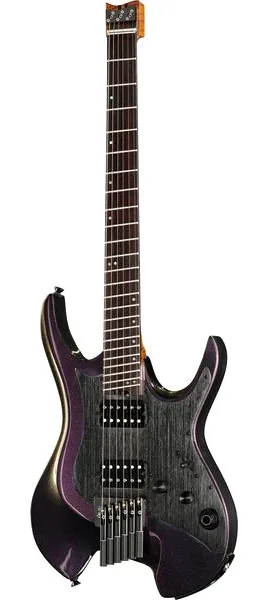
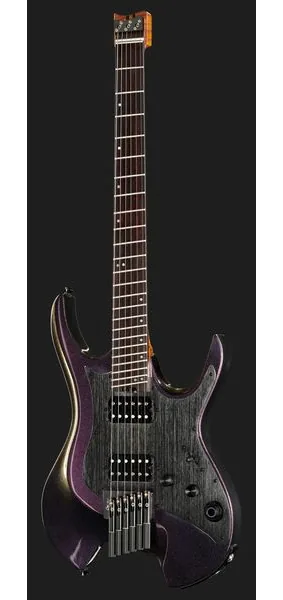
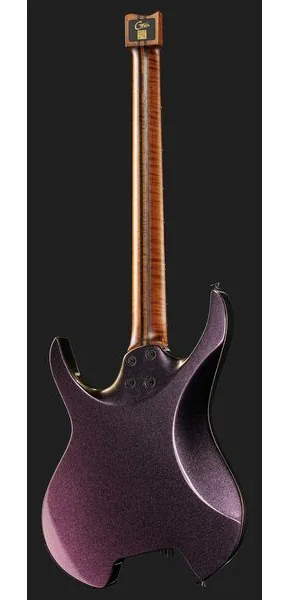
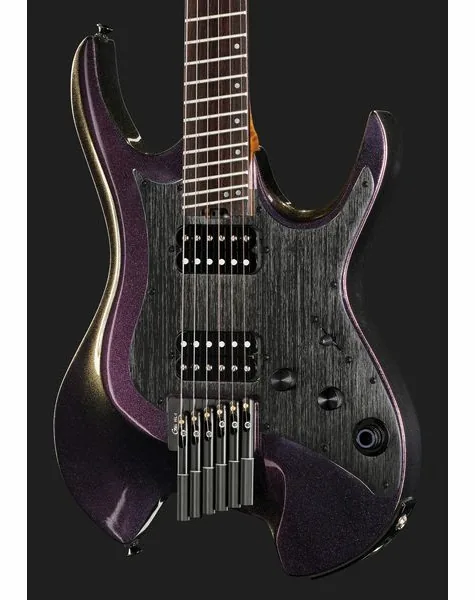
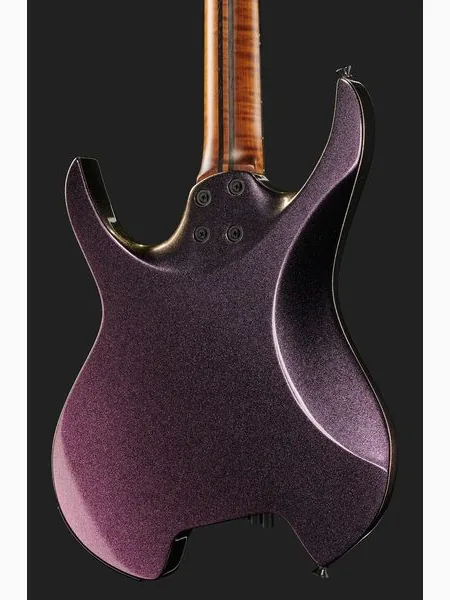
The alder body is finished in Aurora Pink, with black hardware and a brushed-metal pickguard. The guitar weighs approximately 2.7 kg, a meaningful difference for players who stand through long sets or regularly transport their own gear. Its body and neck are notably thin, which contributes to the compact feel. One owner described the finish and workmanship as very good; another said it felt playable but lacked the premium character of more expensive instruments.
The five-piece, bolt-on neck combines roasted flamed maple and rosewood, with a natural satin finish and a Standard C profile. The rosewood fingerboard has a 305 mm radius, 24 jumbo nickel-silver frets, a bone nut, and a stainless-steel zero fret. The multiscale length runs from 640 to 648 mm. The frets angle across the fingerboard, a layout some players may need time to adjust to. One reviewer adapted quickly and found them comfortable, though they raised their strap slightly to suit the playing position.
The two custom GTRS humbuckers are controlled by a three-way pickup selector, volume, tone, and a Super Knob that handles the main output or preset control. There is no tremolo. Feedback on the underlying guitar is generally positive: owners mention comfortable access to the upper frets, good tuning stability, and a setup that was playable soon after unboxing. One player needed a small neck adjustment, so a setup check is sensible rather than assuming every example will arrive perfectly dialed in.
Modeling, wireless, and recording
The active GTRS Intelligent Process System runs on a built-in lithium-ion battery. Mooer specifies up to 12 hours per charge, or up to nine hours when using the wireless system. A UHF transmitter is built into the guitar, and a receiver is included. A 6.3 mm jack can connect headphones for quiet practice. The USB-C port supports battery charging and direct USB-OTG recording to a compatible phone or tablet. Bluetooth 5.0 is also included.
The free GTRS app serves as the editor. Players can select and edit four presets using the Super Knob, with 11 guitar simulations and 126 guitar effects available. The app also provides an 80-second looper, tuner, drum machine, and metronome. An optional GWF4 wireless footswitch can provide control for functions such as preset changes and tuning. Owners who value quick access to several sounds have found the setup useful for rehearsals, small venues, and home practice. One working player described using pickup simulations and downloadable amplifier and cabinet options to cover several parts of a live set from one guitar.
The app-based workflow has limits. The GTRS app is not available for desktop computers, and the guitar's functions depend on a phone or tablet for editing. The included package contains a gig bag, wireless receiver, two hex keys, a neck adjustment tool, and a USB-C cable. The total weight with the bag is approximately 4.26 kg.
Sound quality and who it suits
Reports on the digital sounds are mixed. Some players consider the effects and simulations good-sounding and convenient, especially for practice or a compact live setup. A more critical reviewer reported spending time searching for usable presets, hearing noise and reduced dynamics, and finding clean sounds thin. That player also felt that the preset reverb could obscure some weaknesses. These are listening impressions, not a universal verdict, but they are worth weighing if amplifier modeling is the main reason you are considering the Wing.
The physical guitar may be the safer part of the purchase. Its low weight, comfortable fret access, onboard wireless, headphone output, and direct mobile recording make it practical for travel, home use, and smaller stages. Players who already rely on high-end modeling gear may be less satisfied with the onboard tones. Those seeking a lightweight guitar with flexible practice and performance tools may find the all-in-one approach more compelling. Try the sounds through your intended monitoring setup if possible, and assess the app workflow before relying on it for a show.
Shipping and duties
The retailer ships from its warehouse in Germany. Prices are shown in US dollars and do not include import duties. Orders under roughly $800 usually clear US customs without duty; above that, a duty of a few percent may be collected on delivery. 30-day money-back and a 3-year warranty apply.
Scores by area
Where it shines, where it stumbles
What convinced me
- Lightweight 2.7 kg headless design reduces carrying fatigue and saves stage space.
- Built-in wireless, headphone practice, USB-C recording, and onboard effects make it a versatile self-contained setup.
- Reviewers praise its playability, finish, and useful pickup simulations, with one reporting good tuning stability and intonation.
What bugged me
- Opinions on the modeled sounds vary widely; one experienced modeling user found them thin, noisy, and less dynamic.
- Battery life drew criticism from one reviewer, and another reported that the wireless receiver stopped working after just over a week.
- The GTRS app does not run on computers, and the guitar does not include a hard case.
Is it the right one for you?
Good pick if
A good fit for players who want a lightweight travel or stage guitar, convenient headphone practice, and built-in wireless and effects. Also suited to musicians who value quick setup and mobile recording over desktop editing.Look elsewhere if
Not ideal for players who require premium modeling dynamics or want every preset to sound convincing without adjustment. Consider another option if you need computer-based editing, a hard case, or proven long-term wireless reliability.Suggested level: Intermediate
Specifications
- Color
- Pink
- Body
- Alder
- Top
- None
- Neck
- Maple
- Fretboard
- Rosewood
- Frets
- 24
- Scale
- 648 mm
- Pickup configuration
- HH
- Tremolo
- No
- Including case
- No
- Incl. gigbag
- Yes
- Shape/design
- ST-Style
- Pickup system
- HH
- Modeling
- Yes
What other players say
Customer feedback highlights the guitar's low weight, compact size, ease of use, and convenience for practice and smaller live performances. Several players praise its playability, finish, pickup simulations, and built-in features. Views on the modeled tones differ substantially: some find them useful and enjoyable, while one experienced user criticizes their dynamics and sound quality. Individual concerns include battery endurance, a reported wireless receiver failure, and the absence of a desktop app.
Great for practice just directly plug in headphones and you're ready to play.
Built in wireless is very nice, no delays works as good as a wire.
I have used the Wing 900 analog as a studio guitar and the pickups and playability are a joy, without much adjustment.
Up close
Before you decide
Questions players ask
Can I use the Wing 900 without an amplifier?
Yes. You can practice through headphones connected to the 6.3 mm jack, and the built-in modeling system provides onboard sounds and effects.
Can it record directly to a phone or tablet?
Yes. The USB-C output supports USB-OTG recording to a compatible smartphone or tablet.
Is it suitable for live performance?
Its built-in UHF wireless transmitter, selectable presets, and low weight can make it practical for smaller stages. Reviewer experiences with the sounds and wireless hardware vary, so test your preferred setup before relying on it for a show.
Does the app work on a computer?
No computer version is listed. The GTRS app is described as the editor, and a reviewer specifically noted that it does not run on PC or Mac.
What comes in the box?
The package includes a GTRS UHF wireless receiver, gig bag, two hex keys, a neck adjustment tool, and a USB-C cable. A hard case is not included.
The last word from the bench
The Wing 900 combines a comfortable, lightweight headless body with onboard modeling, wireless operation, headphone practice, and direct mobile recording. Reviewers particularly value its portability and practical live setup, while feedback on the modeled tones ranges from very positive to strongly critical. Its app-based editing and lack of computer support may also matter to buyers who prefer desktop workflows. It is a compelling portable rig, but not a guaranteed replacement for a premium modeling system.
Hanging next to it
Mooer GTRS Guitars Wing 900 Int API
Today's price and delivery time are shown at the retailer.
 Guitar Gear Reviews