Mooer GTRS Guitars Standard 800 MR
The Mooer GTRS Guitars Standard 800 MR pairs a capable ST-style electric guitar with extensive onboard modeling and practical headphone and recording options. Buyers should allow time to learn the app and check the instrument's weight and setup on arrival.
★★★★★ 4.5/5 · 13 buyer reviews · 7 min read · updated 2026-10-07 · Tested by Cal Whitaker
Mooer GTRS Guitars Standard 800 MR review
The Mooer GTRS Guitars Standard 800 MR combines a familiar ST-style electric guitar with digital modeling and built-in effects. At a listed price of 309, it aims to cover everyday guitar playing while adding presets, guitar simulations, and direct recording options. The core instrument matters here: the modeling system is useful only if the guitar itself feels and sounds good enough to pick up regularly.
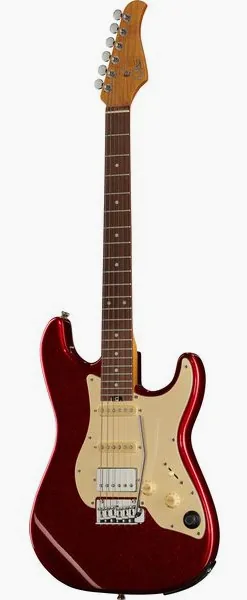
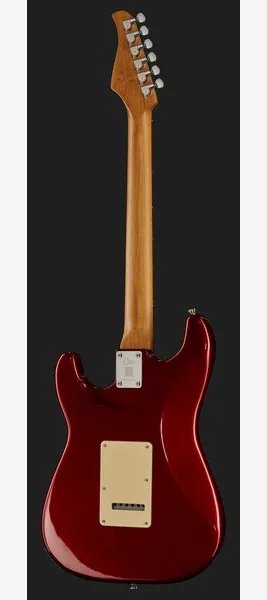
Its roasted maple neck received strong praise from players for a smooth, fast feel, and one review described the guitar as comfortable and stable in tuning. The standard C neck profile, 12-inch fingerboard radius, and 22 jumbo frets give it a contemporary playing feel. The 25.5-inch scale is familiar to many electric guitar players. The body is listed as American basswood, with a rosewood fingerboard and a bone nut.
Quality reports are not entirely consistent. Several owners were impressed by the finish, construction, and playability, while one buyer reported receiving two instruments with setup or neck problems before finding a satisfactory replacement. That experience does not establish a widespread defect, but it is a reason to check the neck, fret edges, and string alignment when the guitar arrives. Weight also varies between individual instruments. One owner reported a range of roughly 3.6 to 4 kilograms across three examples, and another found the guitar heavy.
Pickups and conventional guitar feel
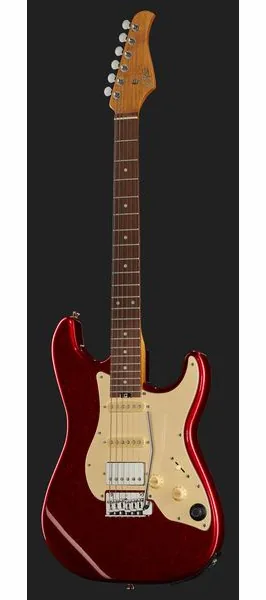
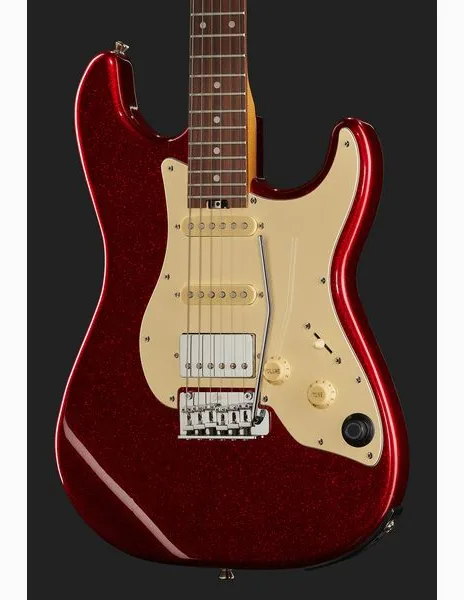
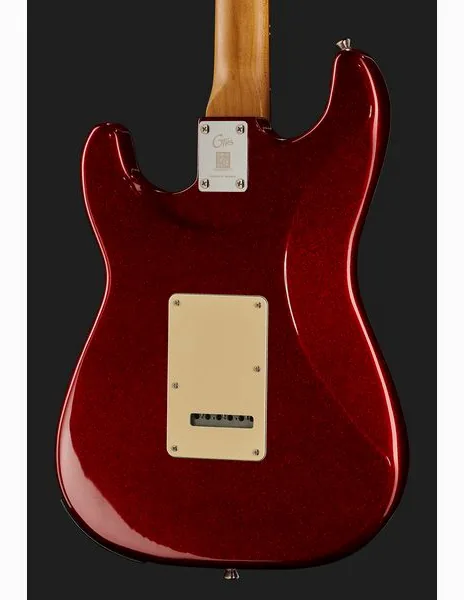
The pickup layout is a standard single-coil, single-coil, humbucker configuration. Mooer fits Alnico V pickups in all three positions, with individual single coils at the neck and middle and a humbucker at the bridge. A five-way selector, master volume, and tone control keep the basic controls familiar. The guitar also has a two-point tremolo, enclosed-gear tuners, chrome hardware, and a cream pickguard.
As a conventional electric guitar, owner impressions range from good to very good. One player found the pickups capable and the instrument well worth its cost even without the digital features, though the single coils seemed less powerful than those in some other guitars. Another described the unplugged-to-amplifier experience as clear and usable. The tremolo did draw a specific caveat from one player, who felt it was not ideal. These impressions suggest a capable everyday instrument, rather than a reason to expect boutique-level pickups or hardware.
Modeling, presets, and app control
The GTRS Intelligent Process System is the defining feature. It provides nine guitar simulations and 126 effects, with four selectable, editable presets controlled from the Super Knob. The system also includes a drum machine, while the GTRS app adds a metronome, an 80-second looper, editing tools, and tuning. Bluetooth 5.0 connects the guitar to a phone or tablet, and the app is available as the editor for the instrument.
Players praised the range and character of the modeled guitars, reporting that different selections can sound distinct enough to suit different parts. The app gives access to extensive amp, cabinet, and effect options, so it can take time to find and save preferred sounds. One owner found the interface somewhat fiddly, and another said software setup sometimes required careful checking. Once sounds are programmed, the four onboard presets make it possible to call them up without repeatedly adjusting the app.
The Super Knob handles the main output and preset control. Wireless control is available with Mooer's GWF4 footswitch, but it is not included. Owners who bought the footswitch valued the extra live control, including access to more sounds and convenient use of the tuner and looper. If changing presets from the floor is important, budget for that separate accessory rather than assuming it comes in the box.
Recording, headphones, and everyday use
The 6.3 mm jack can serve headphones for quiet practice. USB-C supports USB OTG recording to a compatible phone or tablet and charging the integrated lithium-ion battery. Mooer rates battery life at up to 10 hours per charge, with 15 hours of standby time. The guitar can also send its modeled sound directly to a mixer, making a compact setup possible for rehearsals, travel, or informal gigs.
That direct-output approach is one of the instrument's clearest advantages. Owners liked having ready-to-use sounds without carrying a separate pedalboard or amplifier. However, one player felt the modeled system was most compelling through headphones or a direct line connection, and less suited to playing through a conventional combo amplifier. That is a useful distinction: this guitar makes the most sense for players who expect to use its digital signal path, not those who only want a basic electric guitar for an amp.
Verdict
The Mooer GTRS Guitars Standard 800 MR offers a playable ST-style guitar alongside a substantial onboard modeling system. Its roasted maple neck, familiar pickup layout, headphone output, USB-C recording, and saved presets make it versatile for home practice and portable setups. The app has a learning curve, the optional footswitch adds cost, and reported weight and setup quality vary. For a player willing to configure sounds and use the direct output, it is a practical all-in-one guitar. Those seeking a simple instrument for a traditional amplifier may get less value from its main feature set.
Shipping and duties
The retailer ships from its warehouse in Germany. Prices are shown in US dollars and do not include import duties. Orders under roughly $800 usually clear US customs without duty; above that, a duty of a few percent may be collected on delivery. 30-day money-back and a 3-year warranty apply.
Scores by area
Where it shines, where it stumbles
What convinced me
- The roasted maple neck and comfortable standard C profile receive strong praise for playability.
- Built-in modeling offers nine guitar simulations, 126 effects, editable presets, and direct USB-C recording.
- The guitar can be used for headphone practice and direct-to-mixer setups without a separate pedalboard.
What bugged me
- The modeling app can feel fiddly, and some users find its editing and registration process unclear.
- Several reviewers report substantial weight, and one notes that the tremolo arm is less than ideal.
- One buyer received two guitars with serious setup or neck problems before finding a satisfactory example.
Is it the right one for you?
Good pick if
A strong fit for players who want many modeled tones in one guitar, practice with headphones, or record directly to a mobile device. Also suited to gigging musicians who value a compact rig and quick access to saved sounds.Look elsewhere if
Less suitable for players who prefer a simple, conventional guitar with no app-based editing. Consider another option if low weight, traditional amplifier use, or consistently verified setup is a priority.Suggested level: Intermediate
Specifications
- Shape/design
- ST-Style
- Color
- Red
- Body
- Linden
- Neck
- Maple
- Fretboard
- Rosewood
- Frets
- 22
- Scale
- 648 mm
- Pickup system
- SSH
- Midi pickup
- No
- Piezo
- No
- Modeling
- Yes
- Usb-port
- No
- Tremolo
- Yes
- Including case
- No
What other players say
Customer feedback is mostly favorable, with repeated praise for the comfortable roasted maple neck, broad range of modeled guitar tones, and convenience for headphone practice, recording, and direct live connections. Several owners say the built-in features can replace separate effects equipment for their needs. Common reservations include the guitar's weight and an app that can take patience to navigate. One buyer also describes receiving multiple instruments with setup or neck problems, while another criticizes the materials and basic guitar sound.
The roasted maple neck is smooth and fast, the frets were problems free, the pickups are good
The app is a bit fiddly
the guitar is really heavy due to the built in software.
Up close
Watch and listen
Before you decide
Questions players ask
Can I use the guitar without its modeling system?
Yes. It has conventional magnetic pickups and volume and tone controls, so it can be played as a standard electric guitar. Reviewers also describe the pickup sounds as usable on their own.
Can I practice quietly with headphones?
Yes. The 6.3 mm jack can be used with headphones for silent practice, and the built-in system includes modeled sounds and effects.
Does it need a computer or a separate pedalboard for recording?
No separate pedalboard is required for its built-in presets and effects. The USB-C output supports direct USB OTG recording to a smartphone or tablet.
Is the app easy to use?
Experiences vary. Some buyers find it intuitive and flexible, while others say editing can be fiddly or unclear. The optional GWF4 wireless footswitch can make preset access easier during use.
What should I know about the guitar's weight and setup?
Some reviewers describe it as heavy, and one reports receiving two instruments with setup or neck issues before getting a satisfactory replacement. Check the setup and comfort promptly after purchase.
The last word from the bench
As a conventional electric guitar, the 800 MR earns positive comments for its neck, tuning stability, and usable pickup sounds. Its strongest advantage is the built-in modeling, which can cover varied tones for practice, recording, and live use without carrying a separate effects rig. The app and setup experience are less consistent, and the guitar may feel heavy. At this price, it offers substantial functionality for players who will use its digital features.
Hanging next to it
Mooer GTRS Guitars Standard 800 MR
Today's price and delivery time are shown at the retailer.
 Guitar Gear Reviews