Harley Benton DC-600 VI Vintage Series
The DC-600 VI offers a distinctive three-humbucker layout, a vintage-inspired look, and impressive flexibility for its price. Expect some variation between individual guitars, and be prepared to check the setup and tuners.
★★★★★ 4.5/5 · 185 buyer reviews · 7 min read · updated 2026-10-07 · Tested by Cal Whitaker
Harley Benton DC-600 VI Vintage Series review
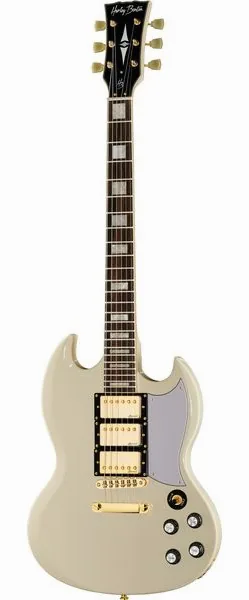
The Harley Benton DC-600 VI Vintage Series is an affordable, three-pickup electric guitar with a distinctive ivory-and-gold look. At a listed price of $188, it offers a set-in mahogany neck, an okoume body, 24 frets, and three Roswell Alnico 5 humbuckers. Owner reports suggest the combination can deliver an enjoyable, flexible guitar for blues and rock, but setup and hardware quality vary between examples.
This assessment draws on the supplied specifications and owner feedback, which ranges from enthusiastic accounts of clean, playable instruments to reports of repair-worthy faults. That spread matters at this price. The model's design and feature set are clear; the condition of an individual guitar may call for closer inspection and adjustment.
Construction, feel, and finish
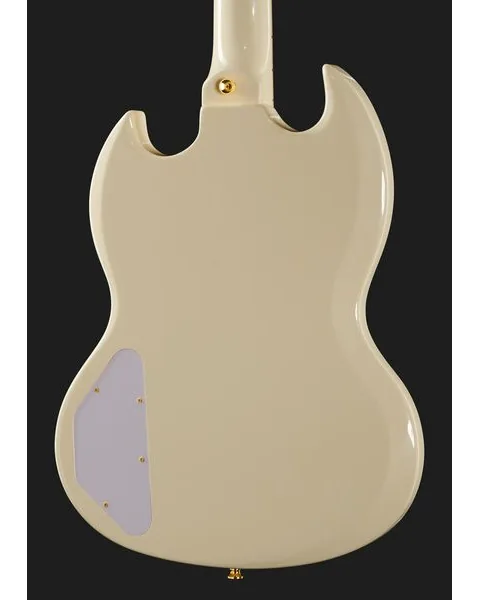
The DC-600 has an okoume body and a set-in mahogany neck with a C-shaped profile. Its laurel fingerboard has a 350 mm radius, block inlays, cream-colored binding, and 24 frets. The 628 mm scale and 43 mm nut width give it a compact, familiar layout. There is no tremolo, and the listed package does not include a case or gig bag.
Many owners describe the guitar as light and comfortable to wear, with good balance and little or no neck dive. Others find the neck noticeably thick. That is a matter of preference, but players who favor a slim neck should take note. The upper fret access benefits from the double-cutaway body, although one recurring complaint concerns the strap button's placement, which can interfere with playing high on the neck.
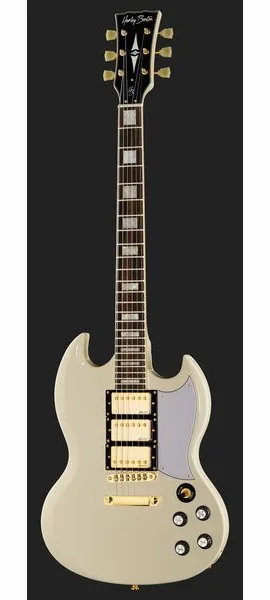
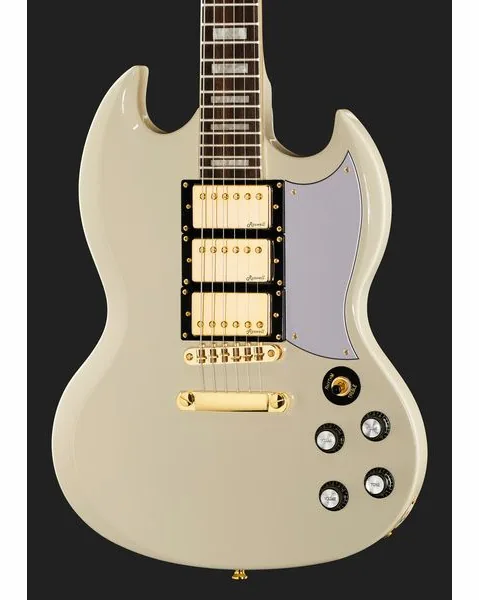
The Vintage Ivory finish can look creamier or more yellow in person than in product photos. Reports on finish quality are often positive, with praise for the paint, binding, and overall appearance. There are also accounts of scratches, uneven details, rough frets, dry fingerboards, and poorly fitted parts. The contrast points to inconsistent quality control rather than a guaranteed flaw on every guitar.
Three pickups, plenty of blending
Three Roswell LAF Alnico 5 vintage-style humbuckers are the main attraction. The controls include three individual volume knobs, one master tone knob, and a three-way toggle switch. The middle position selects all three pickups; the other positions pair the neck pickup with the middle or the middle with the bridge. The individual volumes let players blend the pickups, creating more combinations than a standard two-pickup layout.
Owners report warm, full tones that work particularly well for blues, classic rock, and heavier, fuzzier rock. Several like the neck pickup for rounded sounds and the bridge pickup with distortion. The extra pickup can add useful depth, especially when blended with the others. Clean tones also receive favorable comments, although some players hear little difference between pickup positions. Others find the sound dark, muddy, or less defined under heavy distortion. The pickups are a useful feature, but they will not suit every taste or amplifier setup.
The single tone control is another point to check. Some players find it useful and smooth; one report describes most of its effect happening near the bottom of its range. Because accounts differ, test the full sweep on the individual instrument before deciding whether an electronics change is needed.
Setup and hardware: inspect before relying on it
Some DC-600s arrive close to playing condition, with comfortable action and good intonation. Others need adjustments to neck relief, bridge height, pickup height, or intonation. Reports also differ on fret polish and fret-end finish. A basic setup may be enough for a well-prepared example, while a rough one could require more involved work. The Tune-O-Matic-style bridge has no tremolo arm.
The Kluson-style tuning machines draw the most consistent criticism. Many owners say they can hold tuning once properly set, but also describe stiffness, looseness, imprecise adjustment, or early failure. A few replace them; others keep the originals. The factory.010,.046 strings also attract complaints, including a report of a string breaking during an early bend. Replacing the strings and checking tuning stability are sensible first steps.
There are more serious reports involving faulty wiring, loose or misaligned hardware, high frets, and bridges that could not be lowered enough. These accounts are not proof that every instrument has such problems, but they make a careful inspection important. Check the frets, controls, toggle switch, tuning machines, bridge posts, strap buttons, and jack before relying on the guitar for a performance.
Verdict
The Harley Benton DC-600 VI Vintage Series has a striking finish, a three-humbucker layout, and a useful set of individual volume controls for a modest listed price. Its light feel and broad sound options make it appealing for home playing, blues, and rock. The thick C-shaped neck and variable pickup character deserve consideration, while the mixed reports on tuning machines and quality control make each example its own proposition.
Buyers comfortable with a setup, or willing to address minor hardware issues, may find a compelling instrument here. Players who need dependable, ready-to-gig performance straight from the box should inspect their example closely and confirm that the controls, tuning, and action are right before counting on it.
Shipping and duties
The retailer ships from its warehouse in Germany. Prices are shown in US dollars and do not include import duties. Orders under roughly $800 usually clear US customs without duty; above that, a duty of a few percent may be collected on delivery. 30-day money-back and a 3-year warranty apply.
Scores by area
Where it shines, where it stumbles
What convinced me
- Three Alnico 5 humbuckers and individual volume controls provide a broad range of blendable tones.
- The set-in mahogany neck, 24 frets, and comfortable C profile make the guitar versatile for playing and lead work.
- Many reviewers praise its vintage ivory finish, light feel, and strong value at the price.
What bugged me
- Tuner quality and tuning accuracy are inconsistent, and some owners choose to replace the tuners.
- Quality control varies; reports include setup needs, rough frets, finish flaws, and loose or misaligned hardware.
- The C-profile neck feels thick to some players, while the three-pickup layout can get in the way of picking.
Is it the right one for you?
Good pick if
A good fit for budget-conscious players seeking a three-humbucker guitar for rock, blues, or home recording. Also appealing to collectors and hands-on players who enjoy setup work or upgrades.Look elsewhere if
Not ideal for players who need consistently reliable hardware straight out of the box. Skip it if you prefer a thin neck, highly precise high-gain tones, or a simple pickup layout.Suggested level: Intermediate
Specifications
- Color
- White
- Body
- Okoume
- Top
- None
- Neck
- Mahogany
- Fretboard
- Laurel
- Frets
- 24
- Scale
- 628 mm
- Pickup system
- HHH
- Tremolo
- No
- Including case
- No
- Incl. gigbag
- No
What other players say
Customer feedback is broadly positive about the guitar's appearance, comfortable weight, playability, tonal options, and value. Many owners find the stock pickups useful and the instrument enjoyable after a basic setup. However, reports of tuner problems, dry or rough fretboards, uneven fretwork, and other assembly or finish issues show that quality control is inconsistent. Opinions also differ on the pickups, with some praising their warmth and others finding them dull or muddy.
The guitar offers great value for money but isn't perfect for an experienced guitarist.
The neck is comfortable and fast. The fret work was well done. And, the paint job was without flaws.
Tuners have been replaced but that was to be expected.
Up close

Watch and listen
Before you decide
Questions players ask
Is the DC-600 VI suitable as a first guitar?
It can work as a first guitar if you are comfortable checking the setup and tuning stability. Some examples arrive ready to play, while others need adjustment or replacement tuners.
What sounds can the three-pickup layout produce?
The three humbuckers have separate volume controls, so you can blend pickups as well as use the three-way selector. Reviewers describe a range from warm clean tones to rock-oriented overdrive, though opinions on pickup clarity vary.
Does it feel heavy or have neck dive?
Many owners describe it as light and well balanced, with little or no neck dive. A smaller number report some headstock pull, so the balance may vary by example and playing position.
Should I expect to replace the tuners?
Not necessarily, but tuners are one of the most frequently criticized parts. Some owners report reliable tuning after adjustment, while others describe imprecise operation or replace them.
Is it a good choice for high-gain playing?
It can suit rock and heavier styles, but reviewers differ on how well the stock pickups handle distortion. Some like their thick, warm character, while others find the sound muddy or less defined at higher gain.
The last word from the bench
For players drawn to the three-humbucker sound and ivory-and-gold styling, the DC-600 VI is an unusually affordable way to get both. Its separate pickup volume controls allow useful tonal blends, although reviewers disagree on how clearly the pickups differ, especially with distortion. Playability and finish are often praised, but inconsistent quality control and frequently criticized tuners mean a careful inspection is worthwhile. It is a strong value for rock, blues, and home use, particularly for players comfortable making basic adjustments.
Hanging next to it
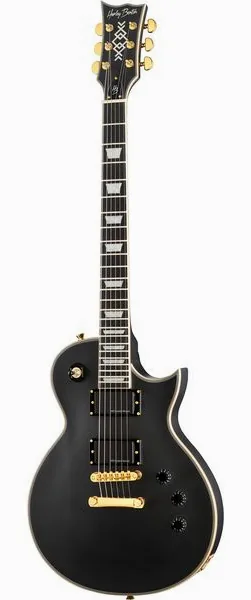
Harley Benton DC-600 VI Vintage Series
Today's price and delivery time are shown at the retailer.
 Guitar Gear Reviews