Godin xtSA Koa
The Godin xtSA Koa combines magnetic pickups, a piezo system, and a 13-pin output in one well-regarded instrument. It is a strong choice for players who will use its broad range of outputs, though its weight and premium price deserve consideration.
★★★★★ 4.8/5 · 6 buyer reviews · 6 min read · updated 2026-10-07 · Tested by Cal Whitaker
Godin xtSA Koa review
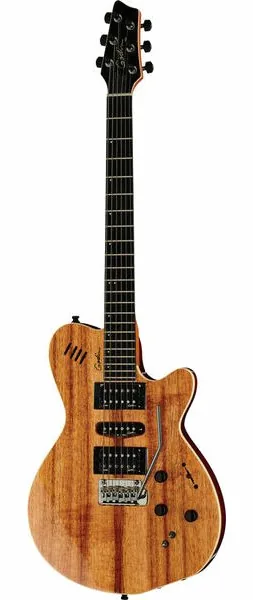
The Godin xtSA Koa is built for guitarists who want electric, acoustic-style, and synth-capable sounds from one instrument. Its three switchable output paths come from a pair of magnetic humbuckers, a middle single-coil pickup, and a piezo system with RMC transducer saddles. A 13-pin output connects the guitar to compatible synth equipment, including the Roland GR-55. The design makes the xtSA Koa an unusually flexible stage instrument, though that flexibility brings extra controls and connections to learn.
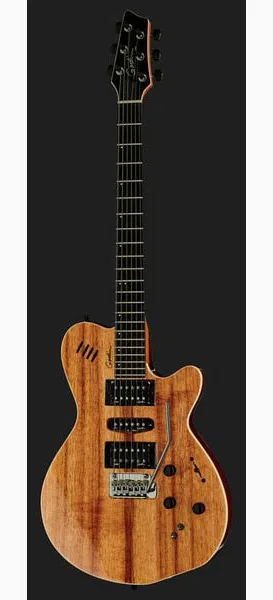
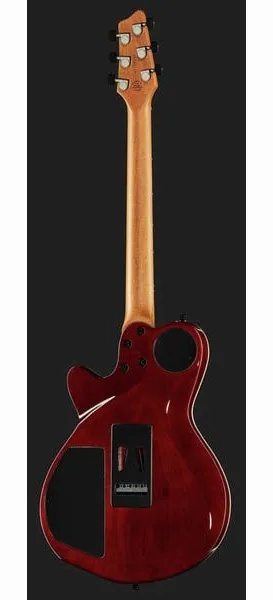
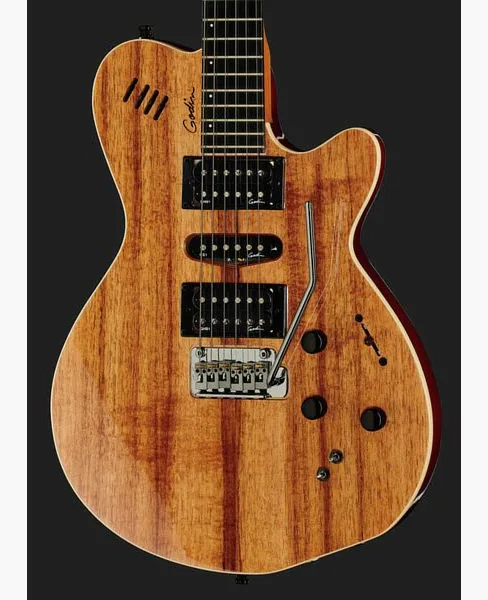
The instrument has a Silverleaf Maple body, a Koa top, a mahogany neck, and a Richlite fingerboard. Its natural finish shows off the top's grain. The single-cutaway body carries 22 frets and a 648 mm (25.5-inch) scale. A 42.86 mm nut width and 406.4 mm fingerboard radius give it familiar, modern electric-guitar proportions. The included gig bag is useful for transport, though players seeking firm protection may prefer to buy a hard case separately.
Three signal paths, with useful control
The clearest reason to choose the xtSA Koa is its routing. You can use the magnetic pickups through a standard jack, send the piezo signal through its own output, and connect the 13-pin socket to a guitar synthesizer. The preamp provides a three-band equalizer, mix and synth-volume controls, tone control, and two volume controls. The separate outputs can be helpful in a live setup, since each signal can go to its own processor or mixing channel.
Owners report using the piezo output with acoustic-processing equipment, the magnetic pickups with an electric-guitar rig, and the 13-pin connection with a GR-55. In one setup, the RMC bridge transducers delivered more responsive tracking and less perceived delay than a separately mounted Roland pickup system after a brief adjustment. That result depends on setup, playing accuracy, and the synth being used, but it illustrates the practical appeal of having the transducers integrated into the bridge.
The 13-pin connection requires compatible equipment and a suitable cable. It is not a standard guitar output, and a multi-output setup can give sound engineers more signals to manage. Players who only need a conventional electric sound may have little use for this additional system. For guitarists who already rely on guitar synthesis, however, the integrated design avoids attaching an external pickup to the instrument.
Playing feel and magnetic tones
The mahogany neck is a strong point in owner feedback, with a comfortable profile described as familiar and rounded. Its feel should suit blues, rock, and rhythm playing, while the 16-inch radius offers a comparatively curved playing surface. That may feel less accommodating to players who favor very low action and extensive string bends for fast lead work. This is a matter of preference rather than a limitation of the guitar's build.
The magnetic pickup layout combines two Godin humbuckers, at the neck and bridge, with a single-coil pickup in the middle. Players have described the humbuckers as clear and balanced rather than strongly colored like some familiar vintage designs. That neutral character can make them a flexible starting point for pedals and amplifiers. One reported drawback is that the humbuckers are not coil-splittable, so there is no built-in way to switch them to a single-coil configuration.
The piezo system adds a convincing acoustic-style option, with onboard controls for shaping and blending its sound. It will not replace every dedicated acoustic guitar, but owners have found it useful for acoustic parts and for switching quickly between contrasting tones. The floating tremolo is also praised for its precise feel. Locking tuners are reported to help with string changes and tuning stability, although stability still depends on a careful setup and playing conditions.
Build, balance, and buying considerations
Reports describe clean workmanship, accessible control placement, and good balance on a strap. The guitar's weight is a more personal concern. One owner measured a little over 4 kg, which may become tiring during long sets, even though the instrument did not show noticeable neck dive. The natural Koa top is a visual feature, but buyers should not expect a visible top binding.
At a listed price of 2,759, the xtSA Koa makes most sense for players who will use its piezo and 13-pin features, not just its magnetic pickups. It brings three distinct signal routes into one well-equipped guitar, with a comfortable neck and a controlled tremolo. Its weight, lack of coil splitting, and need for compatible synth gear are worth weighing before purchase. For a guitarist who needs those outputs onstage, the combination is compelling; for a conventional electric setup, much of the price goes toward features that may remain unused.
Shipping and duties
The retailer ships from its warehouse in Germany. Prices are shown in US dollars and do not include import duties. Orders under roughly $800 usually clear US customs without duty; above that, a duty of a few percent may be collected on delivery. 30-day money-back and a 3-year warranty apply.
Scores by area
Where it shines, where it stumbles
What convinced me
- Three separate signal paths provide magnetic electric, piezo acoustic, and 13-pin synthesizer connectivity.
- Owners praise its comfortable, well-balanced neck and precise tremolo.
- The piezo sound and tracking with the Roland GR-55 receive particularly strong feedback.
- Reports describe excellent workmanship and reliable tuning stability.
What bugged me
- At just over 4 kg, it may feel heavy during long playing sessions.
- The magnetic pickups are balanced and versatile, but some players may find them less characterful than more distinctive pickup designs.
- The humbuckers cannot be coil-split, and the included gig bag may not satisfy players who want hard-case protection.
Is it the right one for you?
Good pick if
Ideal for players who need electric, piezo, and synthesizer sounds from one instrument, especially users of compatible 13-pin systems. A good fit for versatile performers who value comfortable playability and broad sound options.Look elsewhere if
Not ideal for players who prioritize a lightweight guitar or need a hard case included. Players seeking coil-splittable humbuckers or highly distinctive magnetic pickup tones may prefer another design.Suggested level: Intermediate
Specifications
- Color
- Natural Koa
- Body
- Silverleaf Maple
- Top
- Koa
- Neck
- Mahogany
- Fretboard
- Richlite
- Frets
- 22
- Scale
- 647 mm
- Pickups
- HSH
- Tremolo
- Standard
- Including case
- No
- Incl. gigbag
- Yes
- Shape/design
- Single Cut
- Pickup system
- HSH
- Pickups (acoustic)
- Piezo
What other players say
Customer feedback is strongly positive about the instrument's versatility, workmanship, playability, tuning stability, and piezo performance. Several owners value its compatibility with synthesizer systems, especially the Roland GR-55, while others emphasize how well its electric, acoustic-style, and synthesized sounds serve varied playing situations. The main reservations concern its weight, the relatively understated character of the magnetic pickups for some tastes, and the absence of a hard case.
I finally found a good guitar for my GR-55.
The acoustic sounds are very close to those of an acoustic-electric guitar.
The guitar is perfectly balanced, with impeccable workmanship, hardware, and electronics.
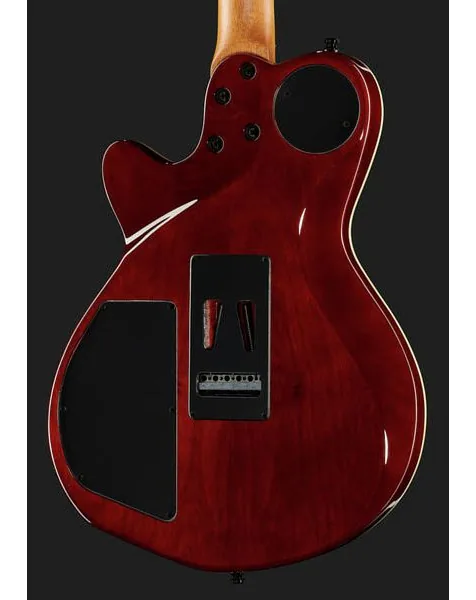
Up close
Watch and listen
Before you decide
Questions players ask
Can the guitar send electric, piezo, and synthesizer signals?
Yes. It has switchable outputs for the magnetic pickups, the piezo system, and a 13-pin connection for compatible synthesizer equipment.
Does it work well with a Roland GR-55?
Reviewers report very good tracking with the GR-55 and praise the built-in bridge transducers. Results still depend on precise picking technique.
How does it sound through a regular guitar amplifier?
The two humbuckers and middle single-coil provide conventional electric tones. Owners describe the magnetic pickups as balanced and adaptable, rather than strongly colored.
Is it comfortable to play for long periods?
The neck and balance receive positive feedback, with no reported neck dive. However, one owner found its weight of just over 4 kg tiring during extended playing.
Does it include a hard case, and can the humbuckers be split?
It includes a gig bag, not a hard case. The listed specifications do not include coil-splitting for the humbuckers.
The last word from the bench
Customer feedback highlights comfortable playability, careful construction, stable tuning, and convincing results from both the piezo and synthesizer connections. The three output options make the xtSA Koa unusually adaptable for players who move between electric, acoustic-style, and modeled sounds. Its weight and non-splittable humbuckers are practical limitations, while the included gig bag is less protective than a hard case. At this price, its strongest value is for musicians who will make regular use of its specialized electronics.
Hanging next to it
Godin xtSA Koa
Today's price and delivery time are shown at the retailer.
 Guitar Gear Reviews