Squier CV 60s Jazzmaster LRL OWT
The Squier CV 60s Jazzmaster LRL OWT delivers distinctive Jazzmaster character and flexible controls at an accessible price. Be prepared for possible setup work and inconsistent fret finishing.
★★★★☆ 4.4/5 · 28 buyer reviews · 6 min read · updated 2026-10-07 · Tested by Cal Whitaker
Squier CV 60s Jazzmaster LRL OWT review
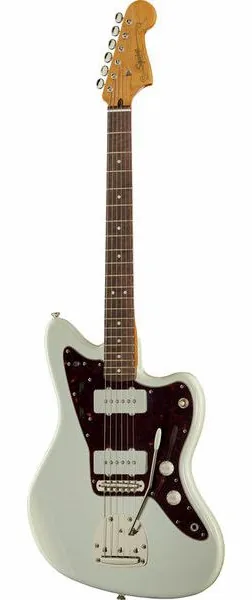
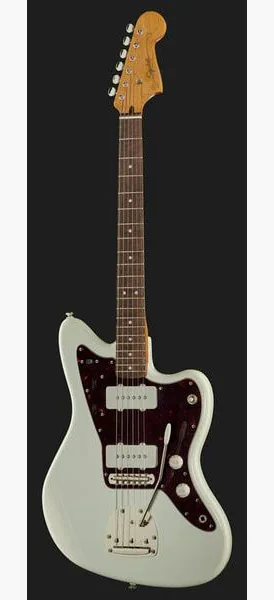
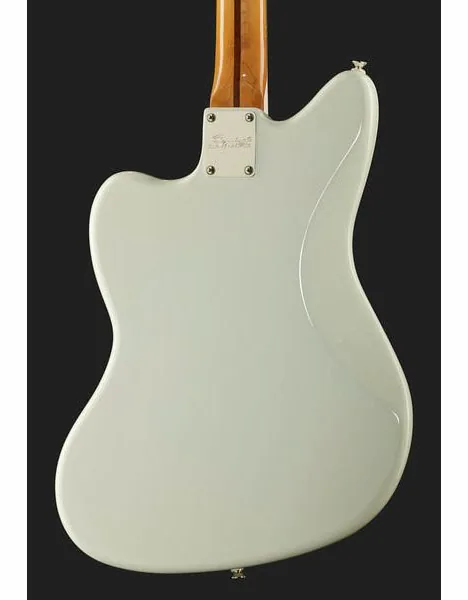
The Squier CV 60s Jazzmaster LRL OWT is an Olympic White, vintage-style offset electric guitar from the Classic Vibe series. It has a poplar body, a bolt-on maple neck, and an Indian laurel fingerboard, with a four-ply tortoiseshell pickguard for contrast. The listed price is 409. Its design and dual-circuit controls make it a particular option for players drawn to the Jazzmaster sound, though buyer reports suggest that setup and fret finishing can vary from one instrument to another.
Build, feel, and first setup
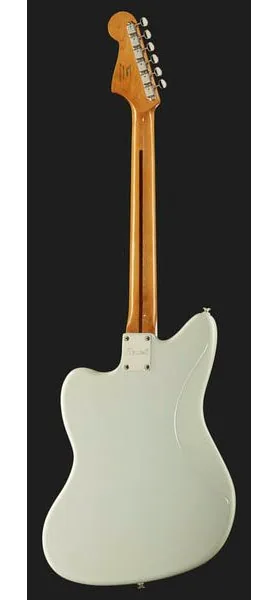
The neck has a C-shaped profile, a 9.5-inch fingerboard radius, a 25.5-inch scale, and 22 narrow-tall frets. The nut is bone, and the fingerboard uses pearloid dot inlays. At 1.65 inches, the nut width is within familiar territory for many electric guitar players. Some owners describe the neck as comfortable and easy to play, especially after lowering the string height. Others report sharp fret ends, uneven frets, or a dry-feeling fingerboard that needed attention.
That variation matters. Several players received instruments that needed little adjustment, while others describe setting the bridge height, adjusting the neck, polishing frets, or changing the neck angle before reaching their preferred action. A neck shim was useful for some owners but was not needed by others. One player also reported dead notes on the high E string that could not be resolved to their satisfaction. These are individual experiences, not a guarantee that every guitar will have the same issues. Still, a careful inspection and a professional setup may be sensible, particularly for players who expect low action straight out of the box.
Reports on fit and finish are similarly mixed. Some owners praise the finish and fretwork, while others found cosmetic marks, sharp fret edges, or small finish flaws around the nut. One report mentions scratchy controls; another says the knobs worked without noise. The practical takeaway is to check the frets, controls, bridge, and jack when the guitar arrives. A setup can correct many playability issues, but poor fretwork may require more than a simple adjustment.
Pickups and the two circuits
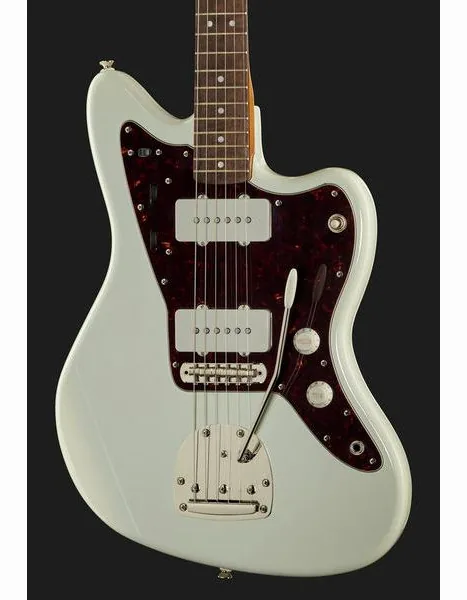
The guitar has two Fender-designed Alnico single-coil pickups and a three-way toggle switch. In the lead circuit, the controls are separate neck and bridge pickup volume knobs, plus a master tone control. The rhythm circuit adds two thumbwheel controls for neck pickup volume and tone. A slide switch selects between the circuits.
Owners often describe the sound as clear, full, and distinctive, with more pronounced high frequencies than they expect from some other familiar solid-body guitar designs. That brightness can help notes remain defined in dense, distorted arrangements. Reports also praise the clean tones, while some players find the pickups less impressive than the guitar's strongest advocates do. The difference is a reminder that pickup character is subjective and depends on the amplifier, playing style, and surrounding instruments.
The rhythm circuit offers a useful way to move to a more restrained neck-pickup sound without changing the lead-circuit settings. Players can set its volume and tone separately, then switch between the two configurations. It is not a substitute for another pickup combination, since the rhythm circuit uses the neck pickup, but it can provide a quick contrast for quieter passages or a less cutting tone.
Bridge, vibrato, and tuning
A floating bridge works with a Dynamic Vibrato tailpiece. Some owners report that the vibrato operates smoothly and that the guitar stays in tune after use. Others mention a loose-feeling arm, tuning concerns, or a bridge that shifted after adjustment. The system may work well when correctly set up, but it rewards a measured approach. It is intended for controlled pitch movement rather than aggressive dive-bomb use.
The guitar ships with.009,.042 strings, and one owner reports good results after moving to.010-gauge strings. String changes can affect neck relief, bridge balance, and action, so check the setup afterward rather than assuming the original adjustments will carry over. The vintage-style tuners and bone nut drew positive comments from some players, but tuning stability also depends on string installation and the overall setup.
Verdict
The Squier CV 60s Jazzmaster LRL OWT makes a strong case for players who want a recognizable Jazzmaster voice, a useful rhythm circuit, and a floating vibrato at a moderate listed price. It has earned praise for its comfort, appearance, and clear, cutting sound. The main caveat is consistency: some examples arrive ready to play, while others need fretwork or setup attention. Consider it a promising value if you are comfortable checking the instrument carefully and allowing for possible adjustments.
Shipping and duties
The retailer ships from its warehouse in Germany. Prices are shown in US dollars and do not include import duties. Orders under roughly $800 usually clear US customs without duty; above that, a duty of a few percent may be collected on delivery. 30-day money-back and a 3-year warranty apply.
Scores by area
Where it shines, where it stumbles
What convinced me
- Distinctive Jazzmaster tone with clear, bright output and useful Rhythm Circuit controls
- Comfortable, lightweight body and a neck many owners found easy to play
- Strong value, with several reviewers reporting good tuning stability and reliable tremolo operation
What bugged me
- Quality control varies, with reports of sharp fret ends, uneven frets, buzzing, and cosmetic flaws
- Many owners needed setup work, such as adjusting the bridge, action, neck angle, or fret finish
Is it the right one for you?
Good pick if
A good fit for players seeking classic Jazzmaster tones, alternative or shoegaze sounds, and flexible onboard controls. Also suited to budget-conscious buyers willing to handle basic setup work.Look elsewhere if
Skip it if you expect flawless fretwork and a ready-to-play setup without inspection or adjustment. Players who need consistently trouble-free hardware and minimal maintenance may prefer a more predictable option.Suggested level: Intermediate
Specifications
- Color
- White
- Body
- Poplar
- Neck
- Maple
- Fretboard
- Indian Laurel
- Frets
- 22
- Scale
- 648 mm
- Pickup system
- SS
- Tremolo
- Yes
- Including case
- No
- Incl. gigbag
- No
- Design
- Jazzmaster
- Top
- None
What other players say
Customer feedback is broadly favorable about the guitar's distinctive sound, comfortable feel, appearance, and value. Several owners also praise its tuning stability and tremolo, while others report sharp or uneven frets, setup needs, minor finish issues, or occasional mechanical and electrical problems. Overall, satisfaction is high when the instrument arrives in good condition or receives appropriate adjustments.
Great Jazzmaster sound
It plays great and the pickups are decent, without impressing.
Sound wise I can't really tell it apart from more expensive jazzmaster so thats a plus.
Up close
Watch and listen
Before you decide
Questions players ask
Does it need a setup after purchase?
Often, yes. Reviews mention adjusting string height, the bridge, neck angle, or intonation, although some owners found their guitar playable straight out of the box.
What kind of sound does it offer?
Its two Alnico single-coil pickups provide a bright, distinctive Jazzmaster sound. The Rhythm Circuit adds a softer, more subdued setting, while the main controls offer a broader range of tones.
Is the floating tremolo reliable?
Experiences vary. Some owners report smooth operation and stable tuning, while others found the arm loose or the tremolo less useful than expected.
Are there common build-quality concerns?
Yes. Some buyers report sharp fret ends, uneven frets, electrical buzz, or minor finish flaws. Other owners describe clean fretwork and good overall construction, so individual inspection matters.
Is it suitable for a beginner?
It can be, especially for someone drawn to Jazzmaster tones, but a beginner may need help with setup or fret adjustments. It also suits experienced players seeking an affordable secondary guitar.
The last word from the bench
Owners often praise its clear, assertive sound, comfortable feel, and useful Rhythm Circuit. The floating tremolo and tuning stability work well for many players, though reports are mixed. Setup and finish quality vary between examples, so inspect the frets and budget time for adjustments. It is a compelling value for players who want a vintage-style Jazzmaster without paying for a more expensive model.
Hanging next to it
Squier CV 60s Jazzmaster LRL OWT
Today's price and delivery time are shown at the retailer.
 Guitar Gear Reviews