Epiphone Flying V 70s Maui Blue
The Epiphone Flying V 70s Maui Blue pairs a striking finish and ebony fingerboard with humbuckers that owners often find clear and versatile. Its main caveat is inconsistent fretwork and setup, so inspect the guitar carefully or budget for adjustments.
★★★★☆ 4.4/5 · 10 buyer reviews · 7 min read · updated 2026-10-07 · Tested by Cal Whitaker
Epiphone Flying V 70s Maui Blue review
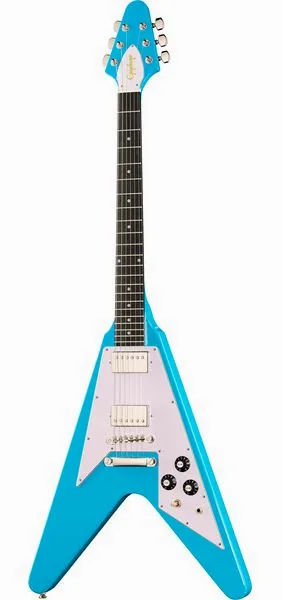
The Epiphone Flying V 70s Maui Blue brings the familiar angular outline and period-inspired details together with a vivid high-gloss finish and an ebony fingerboard. At a listed price of $629, it offers a substantial feature set for a guitar in this range. Its appeal is easy to understand: the look is distinctive, the pickup configuration is straightforward, and the construction and hardware suit classic rock use. Feedback from owners is strongly positive overall, though fretwork and setup quality appear to vary between examples.
Construction and features
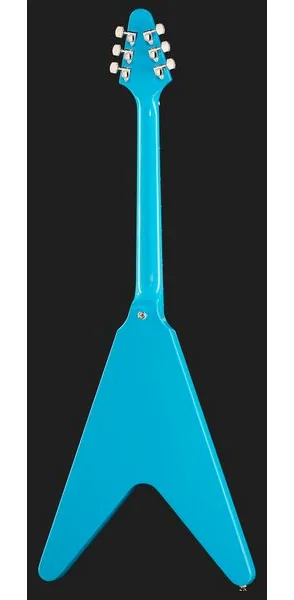
The body and set neck are mahogany, with no separate top. The 22-fret ebony fingerboard has pearloid dot inlays and a 305 mm (12-inch) radius. Epiphone specifies a rounded C neck profile, a 629 mm (24.75-inch) scale, and a 42.9 mm (1.69-inch) nut width. A Graph Tech nut, medium-jumbo frets, and a white pickguard complete the main playing and appearance details.
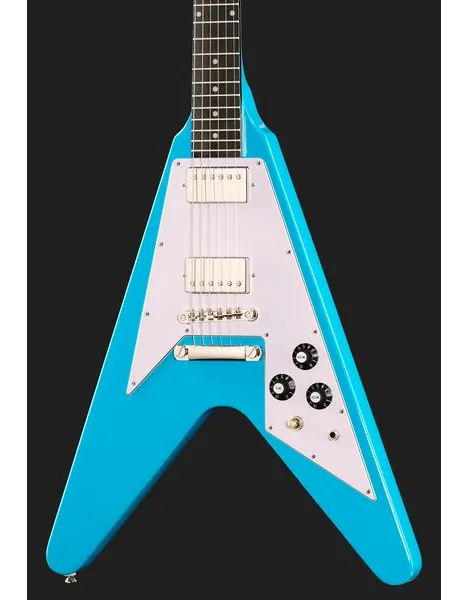
Two Epiphone T-Type Pro humbuckers feed a simple control layout with separate volume controls, one tone control, and a three-way toggle switch. The bridge is a LockTone Tune-O-Matic with a stopbar tailpiece. Grover Rotomatic tuners and nickel hardware round out the specification. The guitar is passive, has no tremolo, and ships with a gig bag rather than a hard case.
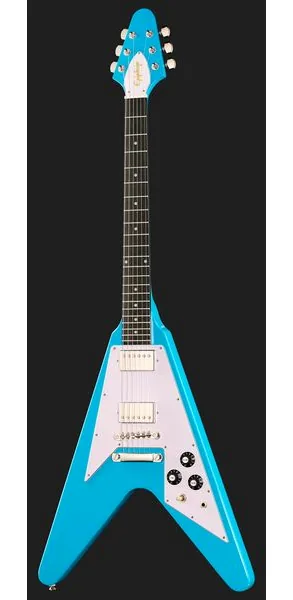
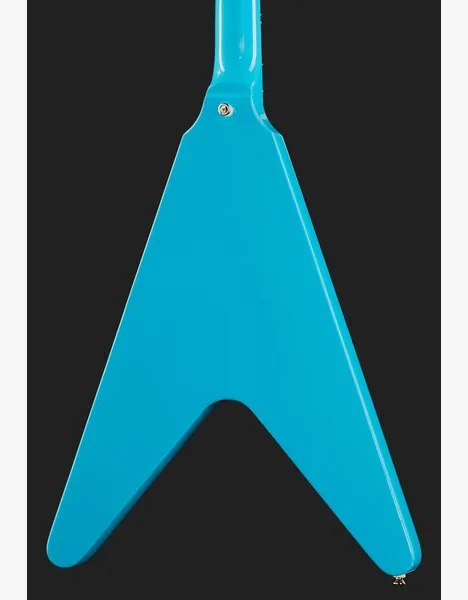
The Maui Blue finish is the defining visual feature. Owners describe it as especially striking in person, though its brightness will not suit every taste. Reports range from flawless finish work to isolated marks, tool traces, or rough shaping around body edges. That difference is worth keeping in mind when inspecting an individual instrument.
Playing feel and setup
The neck profile is described by players as comfortable and less thick than they expected. The ebony fingerboard feels smooth, and the 12-inch radius provides a relatively flat playing surface. Players report that the shape works for blues, rock, and faster lead playing, with useful access to the upper frets despite the neck joint. The finish on the back of the neck is glossy; some players like the feel, while others would prefer a satin surface.
Setup is a recurring variable. Some guitars arrived ready to play after only minor adjustment, while others had high action that needed correction. Fret-end quality is the more consistent concern in critical reports: some owners found smooth, well-finished frets, but others noted sharp edges, uneven leveling, or marks near the fingerboard edges. These are not universal complaints, yet they make a hands-on inspection sensible where possible.
The Flying V's large body can feel unfamiliar to players used to conventional shapes. Its balance also deserves attention. Several owners mention neck dive, a common issue with this body style, although strap choice and playing position can affect how noticeable it is. The selector switch sits close to the controls, and some players find it awkward to reach quickly while playing. The supplied bag is useful for basic transport, but buyers seeking more protection should check case fit carefully before purchasing a separate case.
Sound and controls
The T-Type Pro humbuckers are a strong point in owner feedback. Players describe the neck pickup as thick and rounded, while the bridge pickup has more bite and definition. The middle position adds a distinct blend. Reports praise clarity and dynamic response across clean tones, crunch, and higher-gain classic rock sounds. Several owners were satisfied with the stock pickups and saw no immediate reason to replace them.
These pickups are not described as especially high-output. Players who want a more forceful metal sound may prefer additional gain or a boost, while those seeking a tight, compressed response may favor different pickups. Potentiometer feel also draws mixed comments, with some users finding the controls less smooth for fine adjustments.
Verdict
The Epiphone Flying V 70s Maui Blue makes a persuasive case with its ebony fingerboard, mahogany construction, Grover tuners, and capable stock humbuckers. Its sound covers blues and classic hard rock comfortably, and the distinctive finish gives it a character that standard colors cannot match. At $629, the specification is appealing, but the value depends partly on the individual guitar's fretwork and setup.
Try the instrument standing as well as seated, check the fret ends and action, and make sure the balance suits your strap and playing style. If those details check out, this is a lively, playable Flying V that many owners are happy to keep in stock form.
Shipping and duties
The retailer ships from its warehouse in Germany. Prices are shown in US dollars and do not include import duties. Orders under roughly $800 usually clear US customs without duty; above that, a duty of a few percent may be collected on delivery. 30-day money-back and a 3-year warranty apply.
Scores by area
Where it shines, where it stumbles
What convinced me
- The two Epiphone T-Type Pro humbuckers earn strong praise for clear, dynamic tones across clean, blues, rock, and higher-gain playing.
- Mahogany construction, an ebony fingerboard, a set neck, and Grover tuners make for a compelling feature set at this price.
- The Maui Blue finish and classic Flying V shape make a distinctive visual statement.
- Several owners report a comfortable neck, good sustain, stable tuning, and a lightweight feel.
- A gig bag is included.
What bugged me
- Fretwork quality is inconsistent: some owners report smooth frets, while others describe rough or sharp fret ends and uneven leveling.
- Some examples arrive needing setup work, including action adjustment and fret attention.
- The shape can cause neck dive, and the pickup selector's position is awkward for some players.
- The glossy neck finish and large body may not suit every player.
- The included gig bag may offer limited protection, and owners caution that standard Flying V cases may not fit securely.
Is it the right one for you?
Good pick if
Ideal for players drawn to the Flying V shape, bold finishes, and a versatile pair of humbuckers. A good fit for blues, rock, and higher-gain styles, especially for buyers willing to check the setup.Look elsewhere if
Not ideal for players who need a compact guitar, dislike glossy necks, or are sensitive to neck dive. Look elsewhere if you require consistently flawless fretwork or a standard case that is known to fit securely.Suggested level: Intermediate
Specifications
- Shape
- Flying V
- Color
- Blue
- Body
- Mahogany
- Top
- None
- Neck
- Mahogany
- Fretboard
- Ebony
- Frets
- 22
- Scale
- 629 mm
- Pickups
- HH
- Active pickups
- No
- Tremolo
- None
- Including case
- No
- Incl. bag
- Yes
What other players say
Owners are especially enthusiastic about the Maui Blue appearance, ebony fingerboard, and the clarity and range of the stock humbuckers. Many describe the neck as comfortable and the guitar as enjoyable to play, while reports of build quality are mixed: some received clean examples with excellent fretwork, and others found rough fret ends, uneven frets, cosmetic marks, or a setup that needed attention. Neck dive, selector placement, and case fit are recurring practical concerns. Several reviewers consider the value strong, though at least one felt the guitar did not meet expectations alongside a Gibson model.
The guitar look even better in real life!
The neck is just perfect for me, not too thick, not too thin
This is a lovely guitar.
Up close
Watch and listen
Before you decide
Questions players ask
Are the pickups suitable for metal?
Owners report good results across rock and higher-gain styles, including early thrash, but some find the pickups lower in output than their preferred metal pickups. A boost may help if you want a more aggressive response.
Does it usually need a setup?
Some owners received examples with high action or fretwork issues, while others reported an immediately comfortable playing feel. Check the action, neck relief, intonation, and fret ends when it arrives.
Is the neck comfortable?
Several owners describe the rounded C neck as comfortable and relatively slim. The glossy finish may feel sticky to players who prefer a satin neck.
Does the guitar suffer from neck dive?
Some owners notice neck dive when standing with a strap. How much it affects you can depend on your strap and playing position.
Will it fit a standard Flying V case?
One owner reports that standard Epiphone and Gibson Flying V cases do not hold this model securely. The guitar includes a gig bag, but check the fit and protection before buying a separate case.
The last word from the bench
At 629, this Flying V offers an appealing specification and a distinctive look, with many owners praising its tone, neck comfort, and tuning stability. The T-Type Pro pickups can cover blues and classic rock as well as heavier styles, though some players may want more output for metal. Reports of fretwork and setup vary, making a careful inspection worthwhile. Consider the neck-dive risk, selector placement, and case fit before buying.
Hanging next to it
Epiphone Flying V 70s Maui Blue
Today's price and delivery time are shown at the retailer.
 Guitar Gear Reviews