Epiphone 1963 Firebird I Heather Poly
The Epiphone 1963 Firebird I pairs striking looks with a distinctive, articulate mini-humbucker sound that works especially well in a band mix. The reviewed guitar needed setup and fret-end work, and its weight and neck dive may be deal-breakers for some players.
★★★☆☆ 3/5 · 1 buyer reviews · 7 min read · updated 2026-10-07 · Tested by Cal Whitaker
Epiphone 1963 Firebird I Heather Poly review
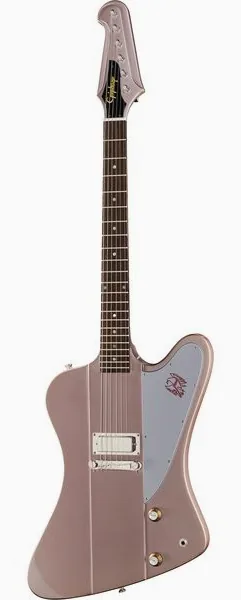
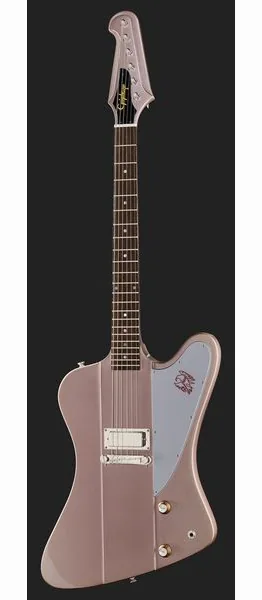
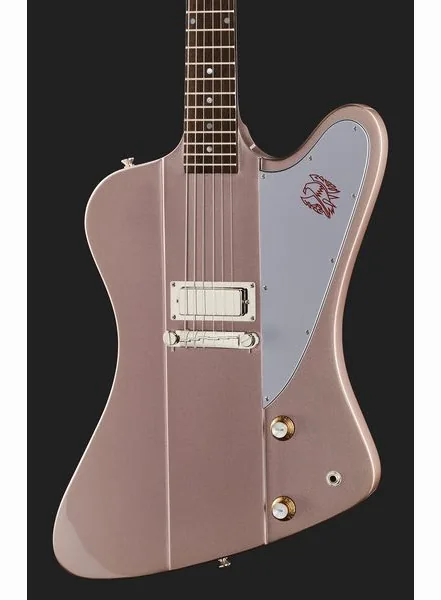
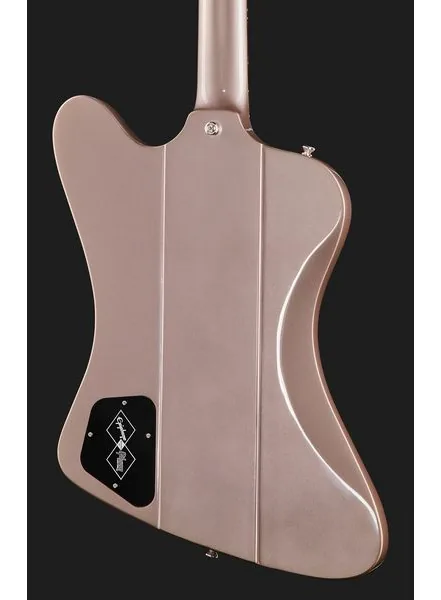
The Epiphone 1963 Firebird I Heather Poly makes a strong first impression. Its Heather Poly metallic finish is vivid and carefully applied, and the long Firebird body gives the guitar a distinctive silhouette. The appeal is specific: this is a large, visually bold instrument, not a compact guitar that disappears on a strap. In the supplied field report, its looks drew immediate attention at band rehearsal, along with a few jokes about the pink color. Once the band started playing, the reaction changed.
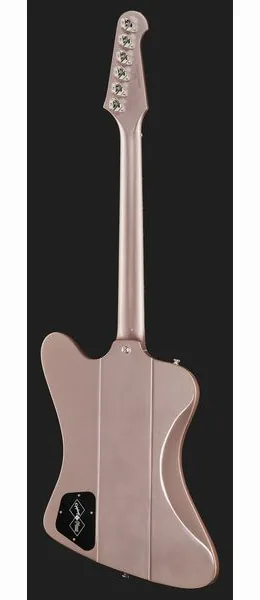
Available since February 2024, this model has a mahogany body and neck, an Indian laurel fingerboard, 22 frets, and a set-in neck-through-body construction using mahogany and walnut. The fingerboard has dot inlays, and the neck profile is identified as 1963 Firebird. The scale length is listed as 628 mm in one specification and 629 mm in another, a small discrepancy in the supplied details. The model has no tremolo and ships with a case. Its listed price is 954.
Size, balance, and the included case
The Firebird feels substantial in the hands and is notably head-heavy. The reviewer found that the left arm had to support the neck, a balance issue linked to the design and its banjo-style tuning machines. That may take adjustment if you are used to a more evenly balanced guitar. It is worth considering before buying, particularly if you spend long stretches standing with an instrument on a strap.
The case is a large black synthetic-leather model with room for accessories such as a strap, spare strings, and tools. Its construction was judged adequate, though the reviewer questioned whether it would hold up to regular road use. The supplied product information confirms that a case is included and that no gig bag is included. For transport and storage, the case is useful, but the field report does not treat it as a rugged touring case.
Neck, fingerboard, and setup
The neck becomes wider toward the upper frets. The reviewer describes the upper positions as relatively narrow, with a broader feel farther along the neck. Players who prefer a substantial grip may find that shape appealing; those who favor a consistently slim neck should try it first if possible.
The reported setup left room for adjustment. The factory string action was considered high, so players who prefer a low action may need a setup before the guitar feels comfortable. More concerning, some fret ends were described as extremely sharp. That is a hands-on quality issue, not a matter of taste, and it may require fret-end dressing. Buyers should inspect the edges carefully and contact the seller or a qualified technician if they find the same problem.
The Indian laurel fingerboard also drew criticism in the field report. The reviewer found it dry to the touch and less pleasing than expected, though treatment helped it feel smoother. That is one player's assessment, not a universal judgment about the material. Still, alongside the sharp fret ends and high action, it makes the neck area the clearest reason to check this guitar closely after purchase.
Controls and pickup character
The pickup is an Epiphone Custom Shop Alnico 5 mini humbucker. The control layout is deliberately simple, with one volume knob and one tone knob. The reviewer found both controls smooth and responsive, making it easy to work with the guitar's basic tonal range without navigating a complicated control scheme.
At home, the first sound check left the reviewer underwhelmed. The tone seemed thin and lifeless in that setting. At band rehearsal, however, the Firebird found a clearer role. In an eight-person group, its sound sat well in the mix and remained audible, drawing positive comments from the other players. The report describes the mini humbucker as closer in character to a single-coil pickup than to a thick, high-gain rock sound. Players looking for a heavy, dense rock tone may want a different instrument. Those interested in a more distinctive, cutting voice may enjoy what this pickup offers.
Verdict
The Epiphone 1963 Firebird I Heather Poly pairs an unmistakable shape and eye-catching finish with a sound that made more sense in a full band than during a solo home test. Its lightweight-free, head-heavy feel, possible setup work, and reported fret-end issues are meaningful drawbacks at this price. The included case is roomy, though its road durability remains uncertain.
This Firebird is best suited to players who specifically want its look and unusual mini humbucker voice, and who are prepared to check the setup and fretwork rather than assume every example is ready to play straight from the case. The reviewer ultimately leaned toward keeping it, mainly because the sound, appearance, and character filled a gap in their collection. That is a personal reason, but it captures the guitar's appeal: its strongest qualities are distinctive, while its construction details deserve careful inspection.
Shipping and duties
The retailer ships from its warehouse in Germany. Prices are shown in US dollars and do not include import duties. Orders under roughly $800 usually clear US customs without duty; above that, a duty of a few percent may be collected on delivery. 30-day money-back and a 3-year warranty apply.
Scores by area
Where it shines, where it stumbles
What convinced me
- Distinctive Heather Poly finish and classic Firebird design.
- Alnico 5 mini humbucker has a clear, characterful sound that can stand out in a full band.
- Volume and tone controls feel responsive, and the guitar includes a case.
What bugged me
- The guitar is heavy and noticeably neck-heavy, so it may need support while playing.
- The reviewed instrument had high action, stiff tuning machines, and sharp fret ends that required attention.
- The mini humbucker has a leaner, single-coil-like character and will not deliver a thick, heavy rock sound.
Is it the right one for you?
Good pick if
A good fit for players drawn to the Firebird shape and Heather Poly finish, and for guitarists seeking a clear, distinctive voice that can cut through a busy band mix. Best suited to buyers willing to check the setup and fretwork.Look elsewhere if
Not a strong choice for players who want a lightweight, balanced guitar or a thick high-gain rock tone. Buyers expecting flawless fretwork and setup straight out of the case may also want to compare alternatives.Suggested level: Intermediate
Specifications
- Color
- Heather Poly Metallic
- Body
- Mahogany
- Neck
- Mahogany
- Fretboard
- Laurel
- Frets
- 22
- Scale
- 628 mm
- Pickup system
- H
- Tremolo
- No
- Including case
- Yes
- Incl. gigbag
- No
- Design
- Firebird
- Top
- None
What other players say
The reviewer praised the striking finish, distinctive design, responsive controls, and the way the mini humbucker sat in a large band mix. They also reported substantial weight and neck dive, stiff tuners, high factory action, dry-feeling fingerboard wood, and sharply finished fret ends. The guitar initially sounded thin at home but became more appealing in rehearsal. The reviewer felt its sound and appearance partly offset concerns about workmanship and price.
The Firebird is huge and anything but lightweight.
In the context of an eight-piece group, the Epiphone fit beautifully and stood out.
The mini humbucker cannot produce a thick rock sound; it leans more toward a single-coil character.
Up close
Watch and listen
Before you decide
Questions players ask
Does this guitar produce a thick, high-gain rock tone?
The review describes its mini humbucker as lean and closer in character to a single-coil pickup. It does not produce the thick, heavy rock sound some buyers may expect.
Is it comfortable to play while standing?
The reviewer found it heavy and notably neck-heavy, with the left arm needing to support the neck. Players sensitive to weight or neck dive should try it on a strap first.
Will it need a setup after purchase?
The reviewed guitar had high action, and some fret ends were sharply finished. A setup and fret-end inspection may be needed, though individual instruments can vary.
Are the tuning machines reliable?
The reviewer found some of the banjo-style tuners stiff, but said they held tuning reasonably well.
Does it include a case?
Yes. The product specifications include a case, and the reviewer received a large black synthetic-leather case. They considered its construction acceptable but questioned its suitability for regular road use.
The last word from the bench
This Firebird I makes its strongest case through its appearance and its focused, clear sound, which the reviewer found effective in a large band. It is less convincing as a finished product at this price: the reviewed example had high action, sharp fret ends, and somewhat stiff tuners. Its substantial weight and neck-heavy balance also call for a player who is comfortable managing both. Consider it for its specific look and sound, but inspect the setup and fretwork before buying.
Hanging next to it
Epiphone 1963 Firebird I Heather Poly
Today's price and delivery time are shown at the retailer.
 Guitar Gear Reviews