 Guitar Gear Reviews
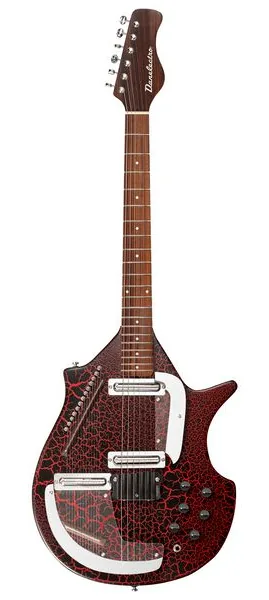
Danelectro Sitar Red Crackle
The Danelectro Sitar Red Crackle delivers vintage sitar-inspired sounds with flair, but demands patience in setup and handling.
★★★★☆ 4.3/5 · 14 buyer reviews · 7 min read · updated 2026-09-23 · Tested by Cal Whitaker
Shipping and duties
The retailer ships from its warehouse in Germany. Prices are shown in US dollars and do not include import duties. Orders under roughly $800 usually clear US customs without duty; above that, a duty of a few percent may be collected on delivery. 30-day money-back and a 3-year warranty apply.
Scores by area
Where it shines, where it stumbles
What convinced me
- Authentic sitar-inspired tone closely matches classic recordings
- Wide sonic palette with creative tonal options and useful for layering in studio settings
- Lightweight hollow body adds acoustic volume and comfort
- Comfortable maple neck with smooth pau ferro fingerboard
- Unique piece for collectors and experimental guitarists
What bugged me
- Sympathetic string (harp) tuning is complex and time-consuming
- Head-heavy when played with a strap, requiring modifications for proper balance
- Finish and plastic guards feel less durable and a bit rough
- Adjusting neck requires removing it or pickguard, which complicates setup
- Buzz bridge can have persistent intonation issues, limited sustain
Is it the right one for you?
Good pick if
Ideal for guitarists who want authentic sitar-inspired textures without learning the traditional instrument, session players seeking unique sounds for recording, and collectors of vintage-flavored tools. Best for experimental musicians and those after specific classic tones from the 60s and 70s.Look elsewhere if
Not suitable for players needing fast, flawless playability or worry-free reliability, or those unwilling to tinker with setup and maintenance. It's ill-suited to those expecting modern finish quality, strong sustain, or versatile gig-ready instruments out of the box.Suggested level: Intermediate
Specifications
- Color
- Red
- Body
- Composite
- Neck
- Maple
- Fretboard
- Pau Ferro
- Frets
- 21
- Scale
- 629 mm
- Pickup system
- SSS
- Tremolo
- No
- Including case
- No
- Incl. gigbag
- No
- Design
- Sitar
- Top
- None
What other players say
Customer feedback highlights the instrument's authentic, inspirational sound and usefulness in both creative and classic rock contexts. Most find the unique tone rewarding, often referencing iconic songs, and appreciate its playability after some setup. However, set-up complexities, sympathetic string tuning challenges, and cosmetic/build compromises are recurring themes. Opinions split on price-to-quality ratio, with some seeing it as a worthwhile specialty tool and others dissatisfied with construction at this price point.
The instrument is well built with a decent fingerboard and frets and good hardware. Electronics are noise free.
The only downside build and setup-wise is with the harp strings... tuning is via a peg and wrench system (like an autoharp).
It's great for being able to play sitar type sounds without having to learn and own a sitar. But the quality is poor. The intonation is shockingly bad.
Watch and listen
Questions players ask
Is it difficult to set up and maintain the Danelectro Sitar Red Crackle?
It can be tricky, especially for adjusting intonation and tuning the sympathetic strings. Expect to spend time tweaking bridge settings and potentially removing the neck for truss rod access.
How does the instrument balance when used with a strap?
It is head-heavy when strapped, causing the neck to dip. Many users modify the strap button position or use aftermarket attachments for better balance.
Can the Danelectro Sitar substitute for a real sitar?
No, the sound is heavily inspired by a sitar but it's a guitar at heart, better suited for emulating sitar textures rather than full traditional sitar technique.
What genres does this instrument fit best?
It's a classic choice for rock, psychedelic, fusion, funk, and any style needing that 60s or 70s sitar-inspired vibe. It's also used in jazz and creative pop."
How robust is the overall construction?
The hollow composite/plywood body is lightweight but some plastics and finish elements are fragile. It's reliable for stage and studio but should be handled carefully to avoid damage.
Danelectro Sitar Red Crackle: Overview
The Danelectro Sitar Red Crackle is a reissue of the classic electric sitar first introduced by Danelectro in the late 1960s. The design delivers the instantly recognizable "buzzing" sitar sound made famous on countless rock, soul, and pop records, all within a guitar format that is immediately familiar to most players. Priced at 877, the Red Crackle model is true to the original in both looks and sound, but introduces its own set of advantages and challenges for the modern musician.
Construction and Finish
The core of this instrument is a hollow body built from composite and multi-ply wood, topped with a striking red crackle finish. While visually eye-catching, users report the surface is a simple film application rather than a lacquer, giving it a rough feel rather than a high-gloss look. Chrome hardware and the signature floating plastic pickguard give the model its throwback character, but these guards feel lightweight and can be fragile if bumped or dropped. There's no case or gigbag included at this price point, a notable omission for a specialty piece.
- Body: Hollow composite/plywood construction
- Neck: Maple, bolt-on, with a classic "C" profile
- Fingerboard: Pau Ferro, 14" radius, 21 frets, graphite nut
- Scale length: 24.75 inches (629 mm)
- Nut width: 1.69 inches (43 mm)
Electronics and Harp Strings
The pickup configuration features two lipstick single coils (neck and bridge) paired with a mini-harp lipstick single coil dedicated to the sympathetic "harp" strings. Control layout consists of three volume and three tone knobs, allowing a surprising range of tonal options, but with some confusion: the controls don't correspond neatly to individual pickups and the tone knobs have minimal effect, making them more useful for subtle color than dramatic sculpting.
The Gotoh sitar bridge is integral to the sound, built to maximize string "buzz." The 13 harp strings (sympathetic strings) sit under their own plastic guard and are tuned using a pin and wrench system reminiscent of an autoharp. The tuning process is precise and a bit fussy; too much force can cause a string to break, so patience is required. Once set, however, tuning is stable, and the sympathetic strings add real shimmer and resonance, especially for recording applications.
Setup, Playability, and Ergonomics
Out of the box, factory setups seem inconsistent. Some units arrive playable, with even response and minimal buzzing on all strings, while others need significant adjustment, especially concerning intonation on the bass strings above the 12th fret. Intonation adjustment relies on manipulating bridge screws for break angle and string tray position, a process that requires some mechanical confidence and a digital tuner for best results. The neck itself is comfortable, and most players compare it favorably to a familiar six-string electric guitar in terms of shape and fretwork.
One recurring ergonomic issue is the instrument's balance. The hollow body and long neck create a pronounced neck-dive when used with a strap, necessitating a modified strap button placement for optimal playing comfort. Several users report investing in aftermarket strap pins or getting creative with their own hardware solutions.
Sound and Application
The essence of the Danelectro Sitar Red Crackle is its sound: consistently buzzy, with the unmistakable jangle associated with classic sitar-style guitar parts. The lipstick pickups favor clarity and high frequencies, offering plenty of sizzle and a fair amount of body, but limited midrange punch and sustain. Don't expect a true sitar imitation, but the voice is unique and immediately familiar from recordings by Steely Dan, Lenny Kravitz, and Paul Young, among many others.
Despite perceptions, the instrument is capable of more than just psychedelic and world-music pastiche. Creative players double tracks, layer chords, or tap into the sympathetic strings as a kind of miniature harp for unique accompaniments and effects. However, the sound palette is naturally tilted toward bright, percussive textures and is less suited to thick, sustaining or saturated tones, and buyers seeking tonal versatility may feel hemmed in. The lack of a pickup selector further restricts sonic reshaping on the fly.
Build Quality and Maintenance
Reports on build quality are mixed. The neck and frets are generally well finished for the price, but there's criticism of loosely fitted screws, uneven pickup mounting, and rough edges on the plastic trim. Access to the truss rod requires removing either the neck or the neck pickup, which is inconvenient for regular adjustments, and there is no supplied manual, heavier tinkerers may spend time trial-and-error configuring both main and harp string setups.
The lightweight build gives modest acoustic volume and playing comfort, but also reduces sustain when amplified. The sympathetic strings' tuning and replacement process is a challenge, especially with no grooves in the bridge to guide them, plan for some patience (or creative online research).
Use Case and Value Proposition
The Danelectro Sitar Red Crackle is a specialty instrument. It excels at creating vibrant, attention-getting textures for recordings or live shows but is unforgiving of playing or setup errors. For dedicated fans of classic "sitar guitar" tones, it unlocks a sound you won't get elsewhere, and is widely regarded as the affordable and accessible route to those effects compared with original vintage models. That said, the price is hardly entry-level, so a buyer should have a clear need for the sound and the willingness to put in some setup effort.
Conclusion
This instrument appeals most to players with a taste for the unusual, collectors, or those seeking to expand their tonal palette for specific projects. Danelectro's reissue remains true in both character and quirks: it is as charming as it is imperfect. With moderate setup, the Red Crackle rewards creative experimentation and brings a unique voice to any guitarist's arsenal, but those expecting polish, precision, and versatility at every turn should weigh their priorities before diving in.
The last word from the bench
For musicians chasing the iconic electric sitar sound, this model offers expressive tones and unique versatility, but also inherits quirks and limitations from the 60s original. Build quality is a mix of charming vintage design and modern compromise, with finicky setup, intonation, and hardware issues normal at this price. It's an inspiring instrument for recording and experimentation, but not without its challenges. If you value novelty, creativity, and authentic retro sounds above perfect craftsmanship, you'll appreciate what this instrument brings.
Hanging next to it
Before you decide
Danelectro Sitar Red Crackle
Today's price and delivery time are shown at the retailer. Affiliate link, your price does not change.