Friedman Small Box
The Friedman Small Box delivers rich British rock tones and versatility, but high price and minor noise may deter some buyers.
★★★★★ 5/5 · 5 buyer reviews · 7 min read · updated 2026-10-06 · Tested by Cal Whitaker
Overview: Classic Tone Meets Modern Versatility
The Friedman Small Box is a 50-watt two-channel tube amplifier head built in the United States and designed to deliver both dynamic clean sounds and rich British-style drive. Outfitted with two EL34 power tubes and three 12AX7 preamp tubes, it takes inspiration from classic Marshall tones but adds features players expect from a modern amp, including independent master volume and gain controls per channel, a transparent effects loop, and a footswitch for easy channel switching. Carefully engineered USA-made transformers and a full-featured EQ section round out the package.
Construction and Layout
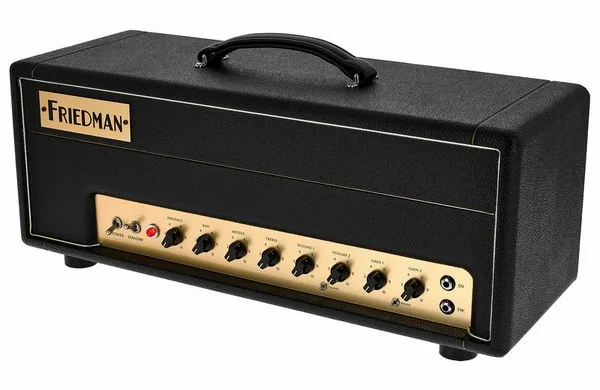
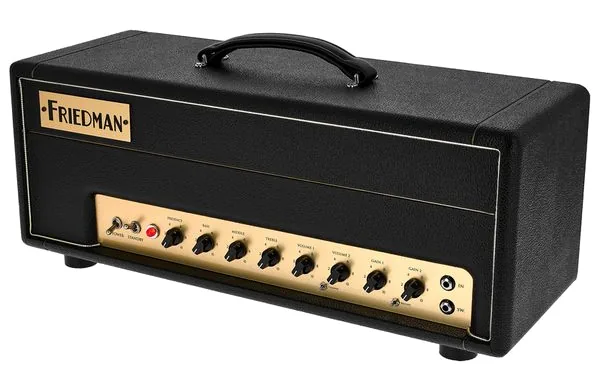
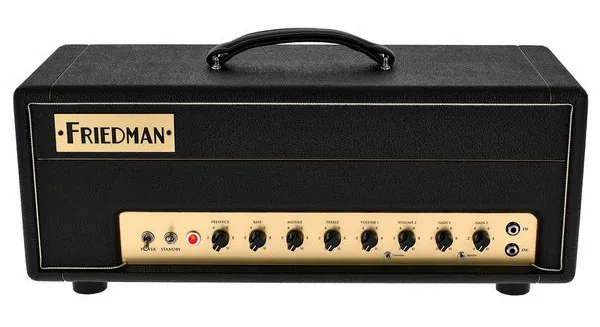
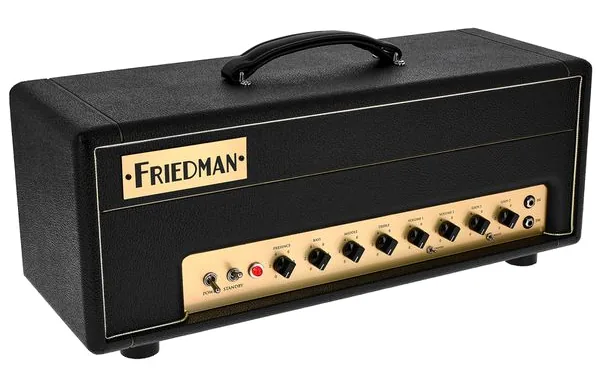
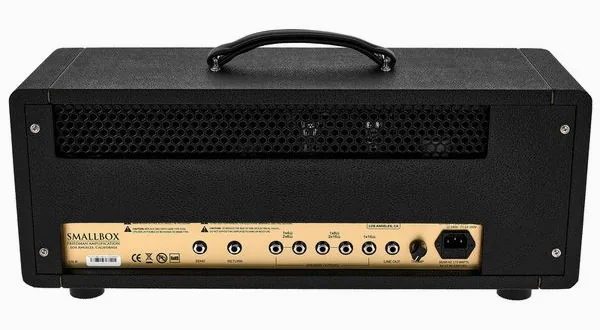
Weighing 15.2 kg, the Small Box feels sturdy, with attention to build quality evident inside and out. The amp's format (roughly 222 x 610 x 254 mm) fits well atop most cabinets and remains portable compared to larger heads in its class. Controls are arranged for immediate access: independent gain and master knobs for each channel, bass, middle, treble, and presence controls, plus a three-way bright switch for the clean channel. The transparent effects loop sits neatly at the rear, as do the impedance selector (4, 8, or 16 ohms) and a line out with its own level control. The included single-button footswitch (with LED) works reliably and feels robust underfoot.
Channels and Sound Character
The Small Box's core appeal lies in its voicing, clearly influenced by late 1960s and 1970s British amplifiers. Channel 1, the clean and crunchy side, covers familiar "Plexi" territory, from sparkling cleans to a punchy, articulate crunch when pushed, made more versatile by the bright switch. It remains lively and responds exceptionally well to guitar volume changes and picking dynamics. Channel 2 brings in heavier gain, shifting into hard rock territory, but remains musical and never veers into harshness. Notably, both channels transition smoothly, and thanks to separate master and gain controls, setting up different flavors at matching volumes is straightforward.
- Channel 1: Dynamic clean and crunch, reminiscent of classic Plexi amps but with more usability at lower volume. The bright switch lets you tailor top-end response.
- Channel 2: "BE" style gain, plenty for robust rhythm and classic lead tones, think 1980s hard rock more than modern metal. For saturated, singing leads, you may want an external boost pedal.
Players comment that the amp's saturation is refined, never too raw, and the EQ section reacts quickly to dial in changes. The presence control lets you fine-tune the bite without introducing harshness or sizzle. The frequency spectrum is described as "vertical," delivering punch and clarity, though some find the sustain in high-gain single-note lines a touch short without pedal help.
Volume, Headroom, and Dynamics
At 50 watts, the Small Box packs significant punch, enough for rehearsals and medium venues, with plenty of headroom on tap. Even at lower master settings, the amp projects serious power, moving air even before you hit the halfway mark. Background noise is present, though fans of vintage amps likely expect a light hiss at idle. Players used to true vintage amps appreciate how the Small Box tames volume without losing dynamic range or color, courtesy of its independent master volumes.
Effects Loop, Line Out, and Versatility
Modern players will appreciate the ultra-transparent effects loop. It integrates pedals, especially reverb or delay, without noticeable tone loss or artificial coloration. The line out, equipped with its own level, is handy for interfacing with recording gear or PA systems, though cab simulation is not included. The inclusion of 4, 8, and 16-ohm impedance options ensures compatibility with most speaker setups.
Real-World Impressions
User reviews consistently celebrate the Small Box's voiced character, described as authentic, "very much like a usable Plexi," and responsive to touch and guitar volume controls. The amp takes pedals well, allowing players to extend gain and sustain into vintage territory or even push toward heavier styles. Some users report requiring a clean boost pedal for sustained solos, particularly when aiming for long, singing notes, due to the amp's rapid response and short natural sustain. Reports of reliability issues are rare, though a handful have needed service. Friedman's customer support receives praise for quick resolutions.
Value for Money
At a price of $3,111, the Small Box sits at the premium end of the boutique amplifier market. Its point-to-point style construction, US-sourced transformers, and flexible real-world feature set offer both the classic and practical: iconic tones, usable at home and onstage, wrapped in a roadworthy chassis. Compared to less expensive amps, its price may deter the strictly home player, but those seeking a professional-grade, lifelong companion will find value in the detail, dynamics, and feel.
Conclusion
The Friedman Small Box stands out not by redefining what a rock amplifier can do, but by nailing the nuances players demand from classic British-voiced heads, with the reliability and flexibility expected today. Its design makes it possible to chase vintage tones or contemporary crunch without the need for endless pedals or volume compromises. Suitable from the studio to the stage, this is an amplifier for experienced players who understand and appreciate the subtleties of responsive tube overdrive, dynamic touch-sensitivity, and a purposeful, well-voiced EQ. If your tone hero comes from the golden era of rock, the Small Box delivers, with authentic construction and user-focused features to match.
Shipping and duties
The retailer ships from its warehouse in Germany. Prices are shown in US dollars and do not include import duties. Orders under roughly $800 usually clear US customs without duty; above that, a duty of a few percent may be collected on delivery. 30-day money-back and a 3-year warranty apply.
Scores by area
Where it shines, where it stumbles
What convinced me
- Distinctive British-inspired sound with dynamic clean tones and full-on classic rock gain
- Very effective channel transition with simple fine-tuning between clean and overdrive
- Straightforward controls and highly responsive EQ and presence knobs
- Transparent effects loop ideal for pedal integration
- Build quality and finish meet high expectations; made in the USA
What bugged me
- Underlying noise is noticeable, especially at higher volume or gain settings
- Second channel's gain may be insufficient for lead players without a booster
- Price is steep compared to some versatile alternatives
- Some reliability issues reported with power-up failures
Is it the right one for you?
Good pick if
Ideal for classic rock guitarists, British amp enthusiasts, and pedal-heavy performers seeking expressive response and robust stage volume. Also suits home studio users who want touch-sensitive cleans and crunchy rhythm textures.Look elsewhere if
Not for modern metal players requiring high-gain saturation out of the box, or budget-conscious buyers looking for value features. May not satisfy those needing ultra-quiet operation or absolute reliability above all.Suggested level: Intermediate
Specifications
- Power rating in w
- 50 W
- Power amplifier tubes
- EL34
- Channels
- 2
- Reverb
- No
- Footswitch
- Yes
What other players say
Customer feedback highlights the Friedman's dynamic British-voiced character, superb touch sensitivity, and classic rock-ready gain that remains focused rather than aggressive. Praise centers on its ease of use, pedal-friendliness, and robust build, although some users found the gain on channel two insufficient for solos without a booster, and a few experienced technical issues. The amp is seen as well-made and versatile, but the price and minor hiss are points of debate.
The amp has two channels, which with just a little fine-tuning blend well into each other. Big plus.
Very lively clean to big classic rock saturations (not metal!), seems to work very well with pedals but... also responds very well to picking attack.
Sound very 'vertical'; very clear and differentiated when strumming chords, but sustain is short, for solos a booster is needed to make it sing.
Up close
Watch and listen
Questions players ask
Can the Friedman Small Box achieve high-gain metal tones?
While the amp offers robust rock and hard rock distortion, its gain voicing is more classic and British-inspired. For extreme metal, an overdrive pedal in front may be required.
Is the effects loop compatible with most pedals?
Yes, the Small Box features a highly transparent series effects loop that integrates seamlessly with the majority of time-based and modulation pedals.
How does the amp perform at low volumes?
At lower master settings, the amp retains character and punch. However, some users noted background hiss when using gain or at higher levels.
Does the amp handle single-coil and humbucking pickups equally well?
Users report great results with both pickup types, thanks to the sensitive EQ and touch responsiveness, offering versatility across classic and modern sounds.
Are there any reliability concerns?
A few buyers experienced units failing to power up, but customer service replaced or repaired them efficiently. Such incidents appear to be isolated.
The last word from the bench
Friedman's Small Box head lives up to its reputation with authentic classic rock sound, expressive dynamics, and robust American build quality. The amp bridges clean and driven tones seamlessly, with a control layout that invites tweaking. While its price places it in a premium bracket and the gain structure may need a boost for true lead saturation, it stands out for players prioritizing punchy British character and pedal-friendly operation. Be mindful of some reliability reports, but most users remain extremely satisfied.
Hanging next to it
Before you decide
Friedman Small Box
Today's price and delivery time are shown at the retailer. Affiliate link, your price does not change.
 Guitar Gear Reviews