Squier CV 60s Jazzmaster LRL SNB
The Squier Classic Vibe 60s Jazzmaster offers characteristic Jazzmaster tones, two distinct control circuits, and strong value. Expect to check the setup and inspect the instrument carefully, since customer reports describe uneven quality control.
★★★★☆ 3.9/5 · 25 buyer reviews · 7 min read · updated 2026-10-07 · Tested by Cal Whitaker
Squier CV 60s Jazzmaster LRL SNB review
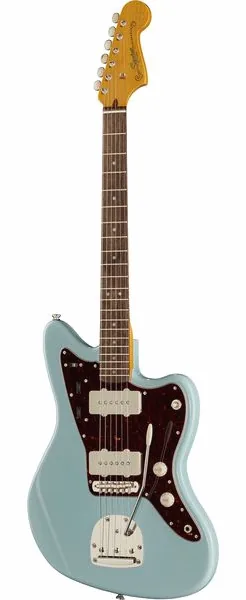
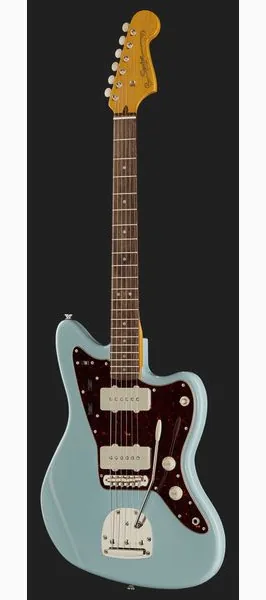
The Squier CV 60s Jazzmaster LRL SNB brings the familiar Jazzmaster layout to the Classic Vibe series, with a Sonic Blue finish, two Fender-designed Alnico single-coil pickups, and separate lead and rhythm circuits. Its listed price is $428. The design offers a broad range of sounds and a comfortable playing feel, but owner reports point to a recurring qualification: setup and quality control can vary from one guitar to another.
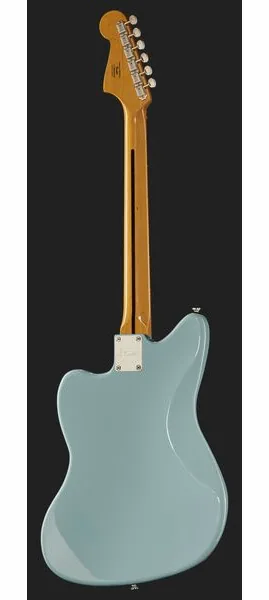
The body is poplar, paired with a bolt-on maple neck and an Indian laurel fingerboard. The neck has a C-shaped profile, a 9.5-inch fingerboard radius, and a 25.5-inch scale. It carries 21 narrow, tall frets, pearloid dot inlays, and a bone nut. The instrument comes with.009-.042 strings, and no case or gig bag is included.
Two circuits, distinct voices
The Jazzmaster's switching gives the guitar more tonal range than a single set of volume and tone controls. In the lead circuit, the three-way switch selects the neck pickup, bridge pickup, or both. Separate neck and bridge volume controls feed a master tone control. Owners describe the single-coil sound as clear and characteristic of a Jazzmaster, with enough definition for classic rock and alternative styles. Several say the pickups also respond well to overdrive and distortion.
Move the slide switch up to engage the rhythm circuit. This selects the neck pickup and uses two thumbwheel controls for volume and tone. One owner describes its voice as subdued but still strong, with a rounded quality that works for chords, riffs, and lead parts. The lead circuit has more attack, while the rhythm circuit provides a smoother contrast. These are useful, genuinely different options rather than a redundant second control layout.
The floating bridge and Dynamic Vibrato tailpiece complete the traditional setup. Reports on the vibrato are mixed. Some owners find it smooth and say it holds tuning reasonably well when adjusted. Others report a loose-feeling arm, noise, or tuning changes during bends. A few have adjusted the arm or bridge themselves. The instrument's performance here depends partly on setup, and the tremolo should be checked before relying on it for frequent use.
Playability and setup
Owners often praise the neck's comfortable shape and the guitar's balance, including when played standing up. The longer scale maintains string tension, and some players appreciate being able to use light strings. The factory strings are light, however, and several Jazzmaster owners recommend trying a heavier set if the bridge buzzes or the strings do not hold their position securely.
Expect to inspect the setup rather than assume it is ready for your preferences straight out of the box. Reports range from guitars that played well with only minor adjustment to examples with high action, fret buzz, or a bridge that needed attention. Some owners describe using a small neck shim to improve the bridge angle and string pressure. That is a common Jazzmaster adjustment, but it is not a guaranteed requirement for every example.
Fretwork is another area where experiences differ. Some owners report smooth, well-finished frets; others found sharp fret ends, a high fret, or rough edges on the fingerboard. A dry fingerboard is also mentioned. These are not universal defects, but they make a careful inspection worthwhile. Check the fret ends, action, bridge hardware, and fingerboard condition, then have the guitar professionally set up if you are not comfortable making adjustments.
Finish and quality control
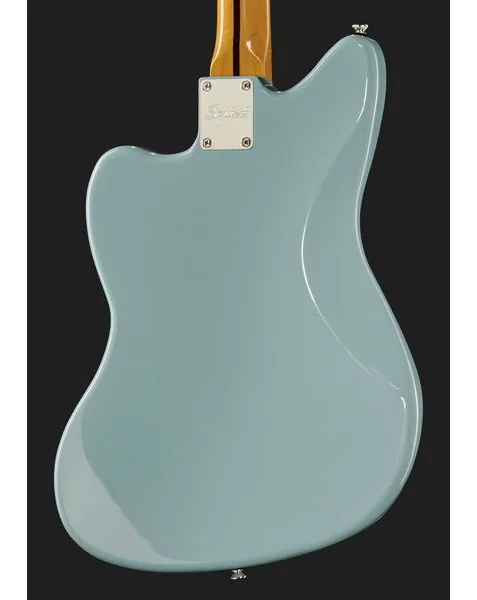
Sonic Blue can look different depending on lighting and the individual guitar. One owner found the received finish greener than expected, while another felt it looked more convincingly blue in person than in online photographs. If the precise shade matters, viewing the instrument in person is the safest option.
Many buyers are pleased with the finish and overall feel, describing the guitar as solid and good-looking for its price. But there are also reports of finish cracks near the neck pocket, loose hardware, rough pickguard edges, and an electrical fault in a bridge pickup. Those problems are more serious than routine setup work. Inspect the neck joint and finish, test both pickups and circuits, and check that the input jack and screws are secure. Keep the return option available if anything appears damaged or fails during testing.
Verdict
The Squier CV 60s Jazzmaster LRL SNB makes a persuasive case for players who want the distinctive Jazzmaster sound and its separate lead and rhythm circuits at a moderate price. Owners who received a sound example often praise its tones, comfortable neck, and value. The main reservation is inconsistency: setup issues are common enough to plan for, while some reported finish or electronic faults warrant a close inspection.
Buy it with time for a proper setup, and check the bridge, vibrato, frets, and electronics before committing to regular use. A well-adjusted example can be a versatile, enjoyable guitar. Someone expecting flawless factory setup and uniform quality on arrival may be better served by inspecting one in person or buying from a retailer with a straightforward return process.
Shipping and duties
The retailer ships from its warehouse in Germany. Prices are shown in US dollars and do not include import duties. Orders under roughly $800 usually clear US customs without duty; above that, a duty of a few percent may be collected on delivery. 30-day money-back and a 3-year warranty apply.
Scores by area
Where it shines, where it stumbles
What convinced me
- The two Jazzmaster-style single-coil pickups and separate lead and rhythm circuits provide clearly different, useful tones.
- Reviewers often praise the comfortable C-shaped neck, balanced body, and distinctive Jazzmaster sound.
- Strong value for the price when the instrument arrives in good condition and receives a proper setup.
What bugged me
- Setup and quality control are inconsistent; reported issues include dry fretboards, sharp fret ends, finish cracks, and faulty pickups.
- The floating bridge and vibrato may need adjustment, and some players report rattling, tuning changes during bends, or loose hardware.
Is it the right one for you?
Good pick if
A good fit for players seeking classic Jazzmaster single-coil tones, a separate rhythm circuit, and a versatile guitar at a moderate price. Especially suitable for buyers comfortable checking or arranging a setup.Look elsewhere if
Not ideal for buyers who expect flawless factory adjustment or want guaranteed playability straight out of the box. Consider another design if you need a locking tremolo or a high-fret-count neck.Suggested level: Intermediate
Specifications
- Color
- Blue
- Body
- Poplar
- Neck
- Maple
- Fretboard
- Indian Laurel
- Frets
- 21
- Scale
- 648 mm
- Pickup system
- SS
- Tremolo
- Yes
- Including case
- No
- Incl. gigbag
- No
- Design
- Jazzmaster
- Top
- None
What other players say
Customer feedback is mostly favorable about the distinctive Jazzmaster sound, comfortable feel, appearance, and value. Several reviewers particularly appreciate the separate rhythm circuit and report good results after setup. Complaints focus on inconsistent factory adjustment and occasional defects, including dry fingerboards, rough fret ends, finish cracks, noisy or unstable bridge and tremolo behavior, and pickup failures. A number of owners recommend inspection and setup rather than assuming every example will be ready to play out of the box.
All in all this guitar is amazing.
This guitar is a great guitar for its value.
Very nice well made guitar offering all the tones you would expect from a jazzmaster.
Up close

Watch and listen
Before you decide
Questions players ask
Does it arrive ready to play?
Some reviewers found the factory setup usable, but many report needing adjustments. Check the action, bridge, tremolo, and fretwork when it arrives.
What tones can I get from the two circuits?
The lead circuit offers three pickup-selector positions with separate neck and bridge volume controls and a master tone. The rhythm circuit switches to the neck pickup with dedicated thumbwheel volume and tone controls for a darker sound.
Is the tremolo reliable?
Experiences vary. Some reviewers like its feel and tuning performance after adjustment, while others report a loose arm, noise, or tuning changes during bends.
Are the pickups suitable for more than clean playing?
Reviewers describe them as clear, characterful Jazzmaster-style single coils and report using them with overdrive and distortion as well as clean tones.
Should I budget for modifications?
Plan for a setup, and possibly a string change or bridge adjustment. Further work is not guaranteed to be necessary, but customer reports show that some examples need attention.
The last word from the bench
Its two single-coil pickups and lead and rhythm circuits give it a broad range of tones suited to clean parts, rock, and effects-heavy styles. Reviewers frequently find the neck comfortable and the instrument appealing for its price. However, setup needs and reported finish, fret, bridge, and pickup problems make individual quality unpredictable. It is a compelling budget Jazzmaster for buyers prepared to adjust it or arrange a return if their example has a fault.
Hanging next to it
Squier CV 60s Jazzmaster LRL SNB
Today's price and delivery time are shown at the retailer.
 Guitar Gear Reviews