Fender Hot Rod Deville 212 IV
Fender Hot Rod Deville 212 IV delivers outstanding clean tones, massive headroom, and exceptional pedal integration, perfect for demanding gigging musicians.
★★★★★ 4.9/5 · 15 buyer reviews · 8 min read · updated 2026-09-30 · Tested by Cal Whitaker
Overview and Features
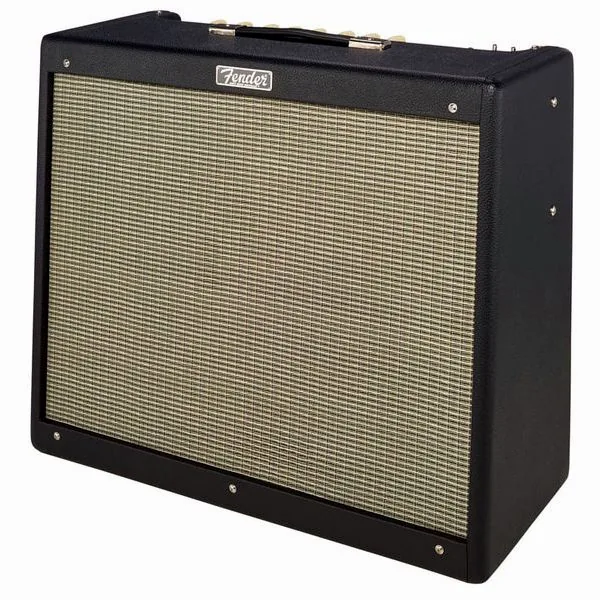
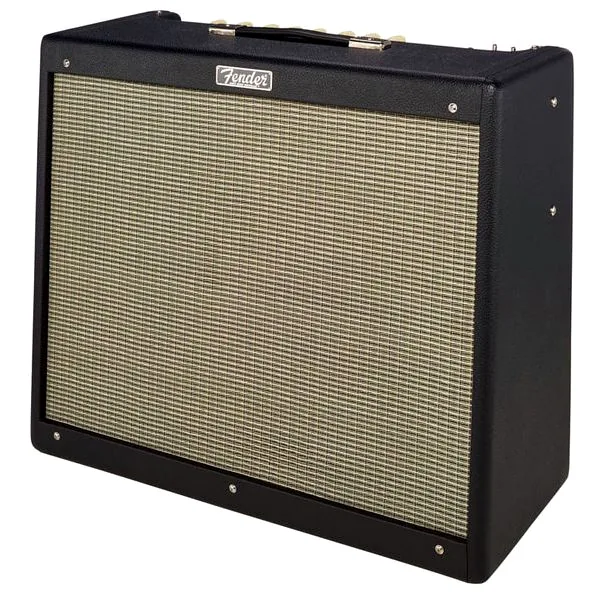
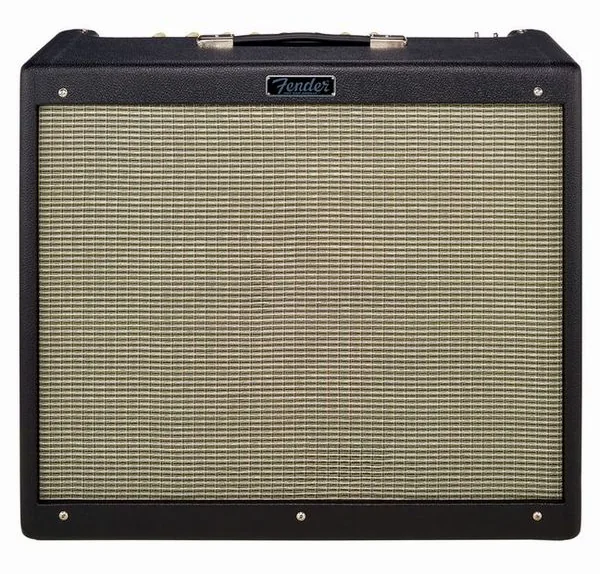
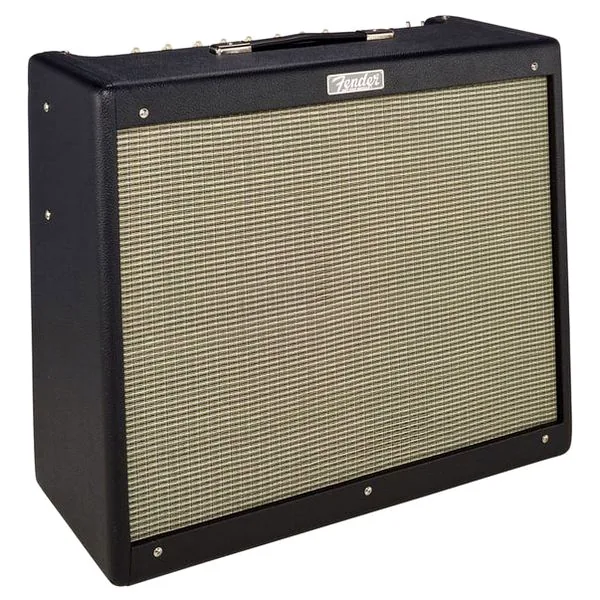
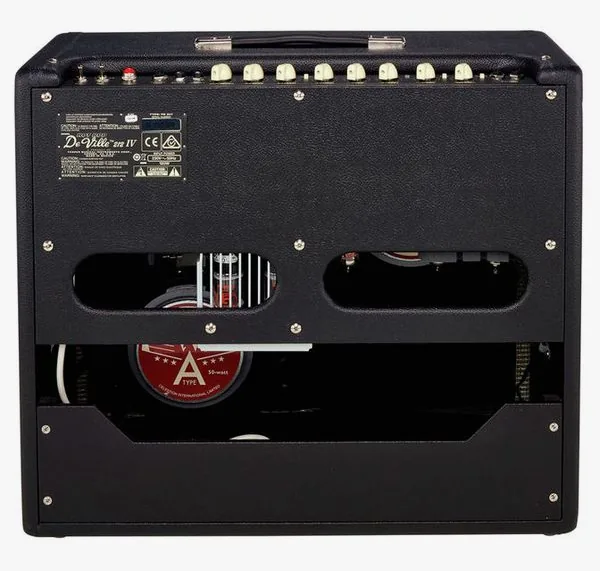
The Fender Hot Rod Deville 212 IV occupies a familiar place in the brand's line-up, offering a loud, tube-driven combo that serves as a workhorse for both stage and studio. Priced at $1,333, this amplifier boasts 60 watts of power delivered through two 12-inch Celestion A-Type speakers. Its tube circuit comprises three 12AX7 preamp tubes and a pair of 6L6 power tubes, a classic Fender configuration. The solid light pine enclosure, with black textured vinyl and a slightly aged silver grille cloth, helps keep the weight just above 55 pounds. Despite its beefy build, this is among the lighter versions of the Deville series thanks to the use of pine.
The amp features three footswitchable channels: Normal (clean), Drive, and More Drive. The included two-button footswitch allows for seamless toggling. There's a spring reverb onboard, along with effects loop send/return, and both internal and external speaker connections. Controls include dedicated knobs for bass, middle, treble, drive, drive volume, master volume, reverb, presence, a bright switch, and a dedicated select switch for channel-hopping. Two front inputs are provided, one of which pads the signal by 6 dB, accommodating both single-coil and high-output guitars.
Sound and Tonal Flexibility
The Deville 212 IV attracts attention for its high headroom clean channel. This platform is deeply rooted in the Fender tonal heritage but tuned for a slightly rounder, less piercing sound compared to vintage "Blackface" models. Cleans are robust, with a noticeable midrange push that helps cut through a full band mix. Users report a warm, solid clean tone with just enough clarity and sparkle for funk, country, jazz, or pop, but with body and a touch of modern compression that makes it less strident than a Twin Reverb.
The amp's clean channel is the key draw for most buyers. Multiple long-term users describe it as the best clean tone Fender has produced in this price class, surpassing even the well-known Hot Rod Deluxe and some legacy models in musicality and pedal compatibility. The high headroom means cleans stay intact at loud stage volumes, with both single-coil and humbucker guitars retaining their character. This is critical for musicians who use a large pedalboard, as the effect loop and full low-end response ensure modulation and drive pedals translate accurately.
Drive and More Drive channels add versatility, moving from classic rock crunch to heavier mid-gain territory. While distortion is full and musical, some users note that at low volume, the drive voicing can sound a bit mid-forward or nasal. Pushing the master volume brings out more harmonic saturation, ideal for blues or classic rock, but the gain structure isn't optimized for ultra-modern metal tones without extra pedals up front. Still, the amp can convincingly cover anything from surf cleans and Americana to '80s metal and hard rock, depending on guitar and pedal selection.
Stage and Studio: Power, Volume, and Usability
With 60 watts of tube power and two 12-inch speakers, volume is ample for almost any live band situation. The amp stays tight even at high stage levels, and multiple users cite no issues with headroom when sharing space with a heavy-handed drummer. At home or in rehearsals, the scaling of the master volume can be touchy; significant perceived loudness comes up quickly between 1 and 2 on the dial, making precise bedroom-level adjustments a bit fiddly. However, even at lower settings, the amp retains much of its character, preserving clean sparkle and spring reverb depth at manageable volumes.
Spring reverb quality draws consistent praise. Many regard it as lush and "addictive," with just enough wash without drowning the original signal. Compared to lower-tier Hot Rod amps, the Deville 212 IV is quieter in operation, showing less background hiss and better consistency in tube performance. The effects loop, operated via preamp out and power amp in jacks, handles pedals exceptionally well, especially modulation effects that can otherwise get lost in front of high-headroom amps.
Build Quality and Day-to-Day Experience
- Materials and Finish: The case is sturdy pine, reducing some of the classic Deville back-breaking weight, but durability is good, though a few buyers have reported minor cosmetic issues with tolex seams or scuffs in transit. Attention to packaging could be improved, as several reports cite inadequate shipping protection leading to minor dings or footswitch bruising.
- Service and Longevity: Tube reliability is broadly consistent with expectations for a modern amp in this price range. Some owners have reported preamp tube swaps after several years of regular use, a normal maintenance procedure. Inside, the amp's build is solid but reflects some cost control compared to older models. Still, all functional parts are sturdy and easily serviced when needed.
- Weight: Though improved over previous designs, at just over 55 pounds, this amplifier is still substantial. It's portable enough for regular gigging but may challenge solo players who need to carry it up stairs or across parking lots.
Use Cases and Best Practices
The Deville 212 IV excels as a pedal platform. Whether for classic blues, country, indie rock, or jazz, the clean channel and headroom allow players to craft a wide tonal palette using external pedals. Integration with effects in the loop is seamless and provides professional results without signal loss. The amp also fares well with bass guitar at low volume, offering a tight response reminiscent of classic Twin Reverbs. The drive channels provide authentic tube crunch for genres up to classic metal and '80s hard rock, but extreme modern sounds will require supplementary drive or boost pedals.
Conclusion: Value and Ideal Player Profile
For those seeking a loud, road-ready combo with professional cleans, responsive drive, and pedal-friendly design, the Fender Hot Rod Deville 212 IV remains a standout choice in its class. Its high clean headroom, robust build, and versatile speaker configuration give it the edge over similarly priced combos. While there are minor fit-and-finish caveats and some users may wish for a more gradual master volume curve, these are balanced by overall performance and tone quality. If your priorities are classic Fender cleans, onboard spring reverb, and a platform that brings out the best in pedals, the Deville 212 IV should be on your shortlist, for rehearsal, stage, or studio.
Shipping and duties
The retailer ships from its warehouse in Germany. Prices are shown in US dollars and do not include import duties. Orders under roughly $800 usually clear US customs without duty; above that, a duty of a few percent may be collected on delivery. 30-day money-back and a 3-year warranty apply.
Scores by area
Where it shines, where it stumbles
What convinced me
- Clean channel with exceptional clarity and warmth, distinct from classic Fender amps
- High headroom and significant volume reserve, suitable for stage and rehearsal
- Handles all types of guitars and pedals exceptionally well, especially in the effects loop
- Impressive build quality in a lightweight solid pine case compared to previous iterations
- Versatile tone controls allow for a wide range of sounds across genres
What bugged me
- At 25 kg, the amplifier is heavy for frequent transport
- Finer volume adjustments can be touchy at low levels; not ideal for all home settings
- Finish and assembly details not as refined as older Fender Deluxe models
- Quality control varies; minor damages and footswitch issues were reported in shipping
- Overdrive channels perceived as nasal or mid-heavy at lower volumes for some users
Is it the right one for you?
Good pick if
Perfect for gigging guitarists, blues, rock, and jazz players who prioritize classic yet versatile clean tones and need an amp that pairs well with analog or digital pedals. Those seeking robust volume for rehearsal, small to large venues, or studio settings will benefit most.Look elsewhere if
Not suited for players seeking lightweight portability, flawless boutique-level finish, or ultra-modern high-gain tones. Bedroom musicians sensitive to loud volume and those preferring easy home use at whisper-quiet levels might be frustrated.Suggested level: Intermediate
Specifications
- Power rating in w
- 60 W
- Speaker size
- 2x 12"
- Power amp tubes
- 6L6
- Channels
- 3
- Reverb
- Yes
- External fx loop
- Yes
- Recording output
- No
- Midi interface
- No
- Connection for external speaker
- Yes
- Headphone connection
- No
- Footswitch connection
- Yes
- Incl. footswitch
- Yes
- Weight in kg
- 25,1 kg
What other players say
Customer feedback emphasizes the Deville's outstanding clean sound, high headroom, and ability to cut through a band mix. Most find it remarkably effective with pedals and a variety of guitars. Criticism focuses on its significant weight, some minor finish flaws, and the drive channel being less universally appealing, especially at lower volume. Overall satisfaction is high, particularly for gigging and recording musicians seeking dependable, gig-level performance with classic Fender characteristics.
The clean channel is the best Fender clean tone I've ever played, and it handles all pedals brilliantly thanks to the effects loop.
It is loud! More than 2.5 on the volume dial is too much for any living room.
The amp is heavy, but lighter than the previous iterations. I think this is the perfect amp for any gigging musician.
Up close
Watch and listen
Questions players ask
Does the Fender Hot Rod Deville 212 IV accept pedals well?
Yes, users consistently praise its ability to pair seamlessly with a wide variety of effects, both through the effects loop and straight into the input.
Is the amplifier suitable for home use or mainly for live performance?
It is very loud with significant headroom, making it ideal for rehearsal and stage, though it may be tricky to manage at low volumes in a home environment.
How does the clean channel compare to other Fender amps?
The clean channel is fuller and darker than classic Blackface models, with more midrange, offering a distinctly modern Fender sound.
What are the main drawbacks of the Hot Rod Deville 212 IV?
The main negatives are its weight, some concerns with shipping/finish quality, and an overdrive channel that not all players enjoy at lower volumes.
Does it work well with all types of guitars?
Yes, reviewers mention great results with single coils, humbuckers, and even passive basses, without the need for extensive tweaking.
The last word from the bench
The Fender Hot Rod Deville 212 IV stands out for its rich, full-bodied clean channel and flexible EQ, making it a premier choice for blues, rock, and jazz players alike. Its massive headroom and pedal-friendly design make it a go-to for those needing versatility on stage. However, minor compromises in finish and substantial weight may deter some users. Anyone prioritizing superior clean sounds and gig-level output will find it hard to beat at this price.
Hanging next to it
Before you decide
Fender Hot Rod Deville 212 IV
Today's price and delivery time are shown at the retailer. Affiliate link, your price does not change.
 Guitar Gear Reviews