Squier CV 50s Tele MN BB
The Squier CV 50s Tele MN BB delivers classic Tele tone and feel with standout value, though some hardware and quality control compromises are present.
★★★★★ 4.5/5 · 134 buyer reviews · 7 min read · updated 2026-10-07 · Tested by Cal Whitaker
Squier CV 50s Tele MN BB: Detailed Technical Test
The Squier CV 50s Tele MN BB brings together vintage-inspired design, iconic styling, and accessible price. Made by Squier under Fender, the Classic Vibe 50s Telecaster aims to recreate the look, feel, and tonal punch of a 1950s Tele, using modern manufacturing to keep it below the 400-euro mark. Let's break down how this model performs across the key areas: materials, construction, playability, sound, and expected pitfalls.
Core Specifications and Build Details
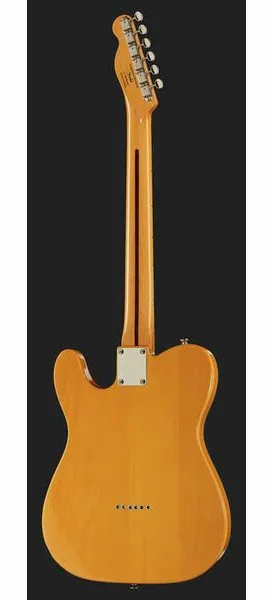
- Body: Pine (solid, three-piece), thick but with good resonance. Notably heavy for this price range, individual units may weigh up to 4.2 kg (9.3 lbs), an authentic vintage trait but not for everyone.
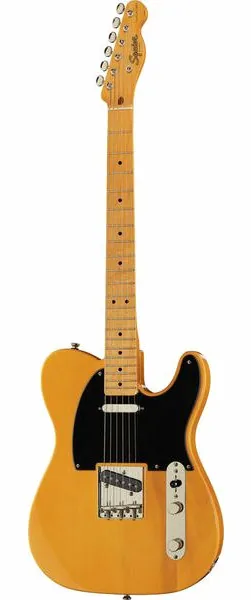
- Neck: Canadian maple bolt-on with a C-shaped profile, high-gloss finish. Scale length is 648 mm (25.51"), nut width is 42 mm (1.65"). The high-gloss lacquer divides opinion, some find it slick and fast, others say it feels sticky or overly shiny in strong light.
- Fingerboard: Also maple, with a modern 241 mm (roughly 9.5") radius and 21 narrow tall frets. Black dot inlays, vintage-style. Bone nut, a solid detail at this price.
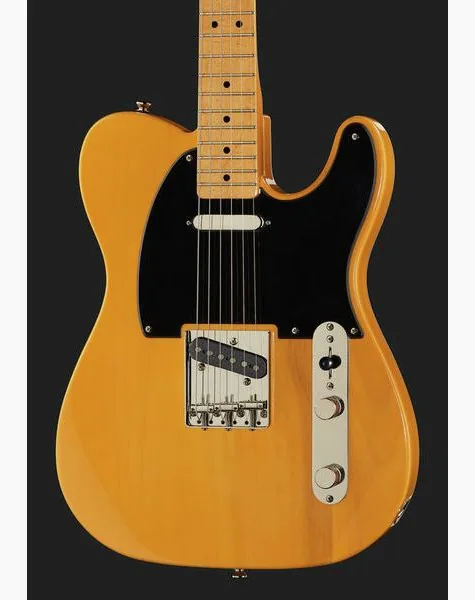
- Bridge: 1950s-style "string through body" with three barrel saddles. These are nickel plated and not compensated, so fine intonation is a challenge, some users upgrade to compensated brass saddles for smoother intonation, especially if planning to record or gig regularly.
- Hardware: Vintage-style machine heads, nickel finish. Tuners look the part but draw the most consistent criticism for inconsistent resistance and tuning slippage. Upgrade to locking tuners is popular among owners wanting rock-solid stability.
- Pickups: Two single coil units with Alnico magnets, designed by Fender. Master volume, master tone, and a classic three-way switch. The neck pickup gives a warm, rounded sound; the bridge delivers the trademark sharp, cutting twang, though some describe the bridge as slightly nasal and the neck as subdued on the treble end.
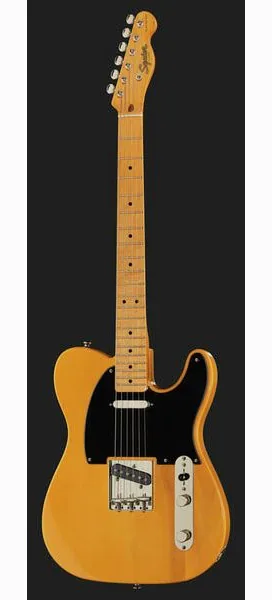
- Finish: Butterscotch Blonde. Finish is generally well-applied, showing off wood grain. A few reports of visible resin marks or inconsistent tint between body pieces, but overall visual impact is praised.
- Out-of-the-box strings: Nickel-plated steel.009,.042 (Fender 250L). Fret ends are usually smooth but a handful of units showed sharp edges or frets needing leveling.
Playability and Feel
Feedback highlights the Telecaster's C-shaped maple neck as a standout feature: comfortable for most hand sizes, sufficiently fast for lead playing, and supportive for rhythm work. The 9.5" radius is more forgiving for bends compared to vintage-correct 7.25", but fret buzz in upper registers, especially around frets 9, 13, does crop up without a proper setup.
Action tends to be a touch high out of the box, and intonation is only as precise as the vintage-style bridge allows. A setup is almost mandatory for best results. Several users find themselves leveling and polishing the frets or swapping in a fresh bone nut or compensated saddles for improved playability.
Overall weight deserves mention: these Telecasters can be notably heavy, with some units approaching 4.2 kg (over 9 lbs), which impacts balance and long sessions standing up. That said, balance on the strap is reported as good, and there's no neck dive.
Sound Quality
The two single coil Alnico pickups aim for authenticity. The neck delivers a classic smooth Tele sound, full and a touch dark, great for clean lines and jazzier tones. Some find it lacks clarity in the highest frequencies. The bridge pickup brings the bright, "twangy" attack, slightly nasal when pushing the gain. With the selector in the middle position, there's lots of sparkle and snap suitable for funk, indie, or country. Output is classic Tele, not hi-fi, but dynamic and expressive, and responds well to picking nuance.
Tone and volume pots are a hit or miss in terms of smooth rotation and gradual response. Some units show scratchiness within months of use, or have pots that dull the highs when turned down, another point for possible quick hardware upgrades.
Hardware and Electronics Reliability
Most construction is solid, given the price, but there's variance in quality control. Several users received instruments with minor fretwork issues, ill-fitted neck pockets, or electronics that began to exhibit static, dropouts, or loose jacks after moderate use. Standard upgrades for long-term reliability include replacing output jacks with Switchcraft-type, swapping stock potentiometers for premium versions, and shielding the electronics cavity (the factory does not include shielding paint or foil by default).
Tuners get mixed reviews: they hold tune for moderate play but require a careful hand, and are not as stable as you'd get with higher-end or locking models. The vintage bridge's three saddles complicate perfect intonation but are true to the authentic '50s Tele design.
Value and Modding Potential
This Squier delivers impressive value for the price. If you're seeking a Telecaster sound and feel, with authentic looks and a "workhorse" personality, the CV 50s Tele MN BB is a worthy contender for a first instrument, a reliable backup, or a platform for upgrades. It's also recommended for hobbyists who like to make incremental improvements, thanks to the standard Fender compatibility, it's easy to swap in premium pickups, bridges, tuners, or electronics.
Typical Issues and Solutions
- Fret buzz or sharp fret ends: resolved with a proper setup and fret dressing
- Bridge intonation: upgrade to compensated saddles
- Tuners not precise: replace with quality locking tuners
- No shielding: add copper tape or shielding paint for studio environments
- Scratchy pots or loose jack: replace with higher-grade parts
Conclusion: Who Is It For?
The Squier CV 50s Tele MN BB is one of the best bang-for-buck guitars in its class, nailing the vintage Telecaster style and core tone at a price that invites beginners and modders alike. Its weaknesses are typical for budget instruments, occasional quality control slips, hardware corners cut, but nearly all can be addressed with basic upgrades. If you want an affordable Tele that can grow with you as a player and as a project, this guitar stands out as a top pick in its range.
Shipping and duties
The retailer ships from its warehouse in Germany. Prices are shown in US dollars and do not include import duties. Orders under roughly $800 usually clear US customs without duty; above that, a duty of a few percent may be collected on delivery. 30-day money-back and a 3-year warranty apply.
Scores by area
Where it shines, where it stumbles
What convinced me
- Classic Telecaster sound and look with vintage styling at an accessible price
- Solid and resonant pine body with a maple neck offers good sustain and clarity
- Comfortable C-shaped neck, smooth fret ends, and generally good playability
- Stock Fender-designed single-coil pickups provide authentic 'twang' and dynamic response
- Outstanding price-to-performance ratio; a solid platform for upgrades
What bugged me
- Quality control inconsistencies: blemishes, fret buzz, and imperfect nut or neck pockets in some units
- Stock hardware (tuners, bridge saddles, jack, potentiometers) sometimes needs upgrades for stability and reliability
- Vintage 3-saddle bridge can make intonation setup challenging
- Glossy finish on neck may not suit everyone
- Noticeable weight and occasional uneven wood grain
Is it the right one for you?
Good pick if
Ideal for those seeking classic Telecaster tone and styling without a premium price, beginners and intermediate players wanting a playable, inspiring instrument, and anyone looking for a solid modding platform to customize over time. Great for home recording, rehearsals, and smaller gigs.Look elsewhere if
Not recommended for players who expect flawless, high-end finishing or need gig-ready stability out of the box with no setup. Those sensitive to weight, requiring compound radius fingerboards, or seeking noiseless pickups may also need to look elsewhere.Suggested level: Beginner
Specifications
- Color
- Blonde
- Pickups
- SS
- Fretboard
- Maple
- Tremolo
- None
- Body
- Pine
- Top
- None
- Neck
- Maple
- Frets
- 21
- Scale
- 648 mm
- Including case
- No
- Incl. bag
- No
What other players say
Customer impressions are largely positive, praising the instrument's authentic vintage tone, playability, and aesthetics relative to its price. Some encountered issues with inconsistent quality control, including cosmetic flaws, fret buzz, and hardware limitations. However, these drawbacks are often considered minor or easily resolved, and many users enhanced their guitars with common upgrades like tuners, bridge saddles, and electronics. The guitar is valued as a reliable and enjoyable entry point or modding platform, commanding loyalty from players across experience levels.
This one is a good resonating instrument. Extremely playable. Stays in tune. It has the lowest action among all my guitars.
The stock pickups are great really, I was planning on changing them prior to actually playing the guitar. But yeah, they sound perfectly fine.
In total, QC failed on this one, let's start it off: Buzzing on 9th, 10th, 13th fret (known issue with a guitar with no compound radius).
Up close
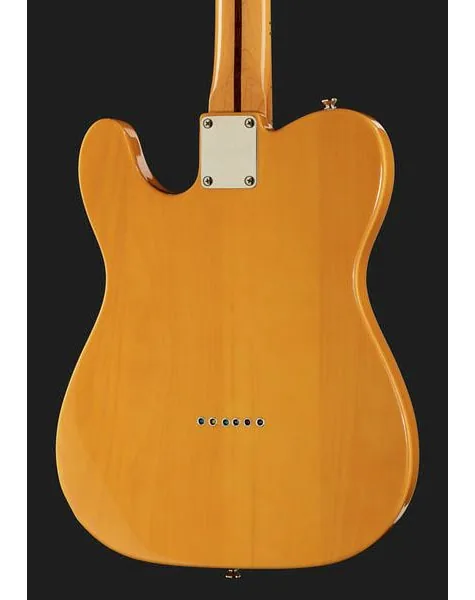
Watch and listen
Before you decide
Questions players ask
Is the Squier CV 50s Telecaster suitable for professional gigs out of the box?
While the guitar can handle live situations with its classic sound, a setup and possible minor hardware upgrades can enhance reliability for demanding professional use.
Are the tuning and intonation stable for regular playing?
Tuning stability is decent, but some users report the vintage-style tuners and 3-saddle bridge make precise intonation challenging; replacing these parts can help.
How does the build quality compare to Fender models?
The CV 50s Tele uses good wood and finish, but detailed QC and hardware aren't up to the level of Mexican or American Fenders, explaining the price difference.
Is this guitar heavy?
Many reviewers note it is heavier than average for its type, though the balance is generally good and the weight contributes to sustain.
Are the electronics and pickups usable, or is upgrading necessary?
The stock pickups deliver authentic Telecaster tone and most find them sufficient, but players seeking a noiseless setup or specific sounds may want to upgrade over time.
The last word from the bench
The Squier CV 50s Tele MN BB stands out as a robust and characterful instrument that nails the Telecaster feel and sound at an attainable price. With an authentic vintage style and solid tone, it's an ideal base for both beginners and those looking to tweak and upgrade. Some units may exhibit manufacturing flaws or hardware issues, but these are usually fixable and don't eclipse the overall value offered. For many players, it's a reliable workhorse and a gateway into the Telecaster world.
Hanging next to it
Squier CV 50s Tele MN BB
Today's price and delivery time are shown at the retailer.
 Guitar Gear Reviews