Fender 65 Princeton Reverb
A legendary combo for classic clean and driven tones, perfect for studio and small venue players seeking vintage warmth with iconic reverb and tremolo.
★★★★★ 4.6/5 · 63 buyer reviews · 7 min read · updated 2026-09-29 · Tested by Cal Whitaker
Review: Fender 65 Princeton Reverb
Overview and Technical Profile
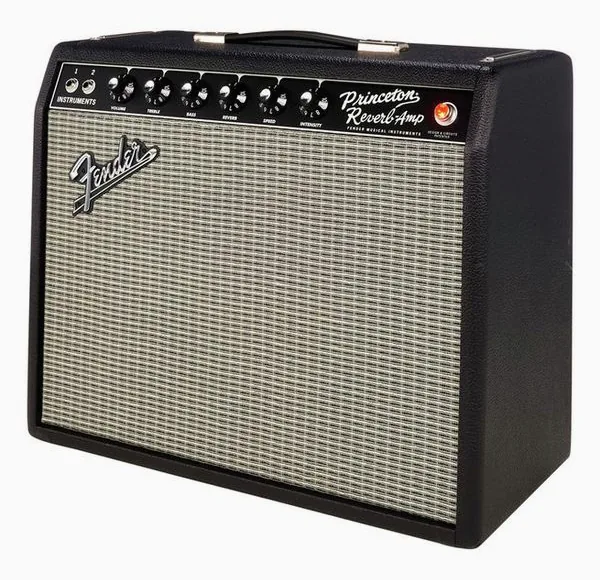
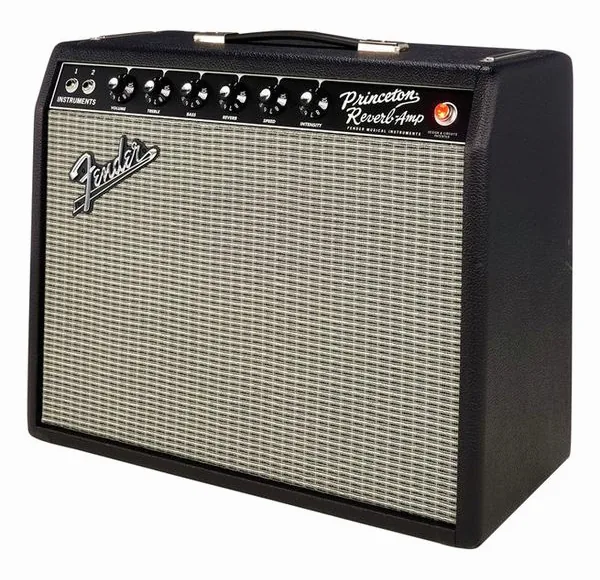
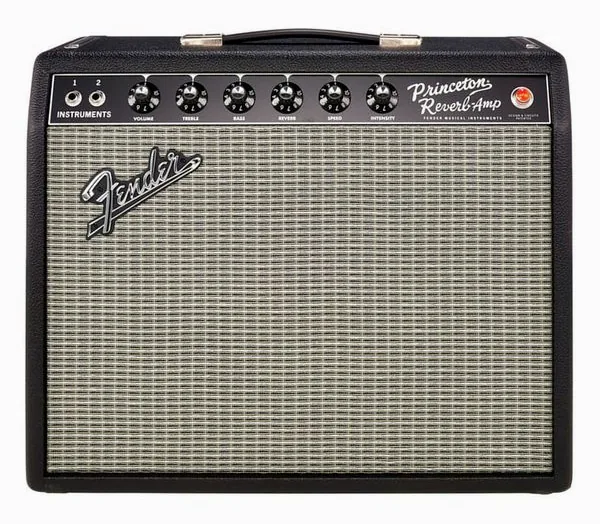
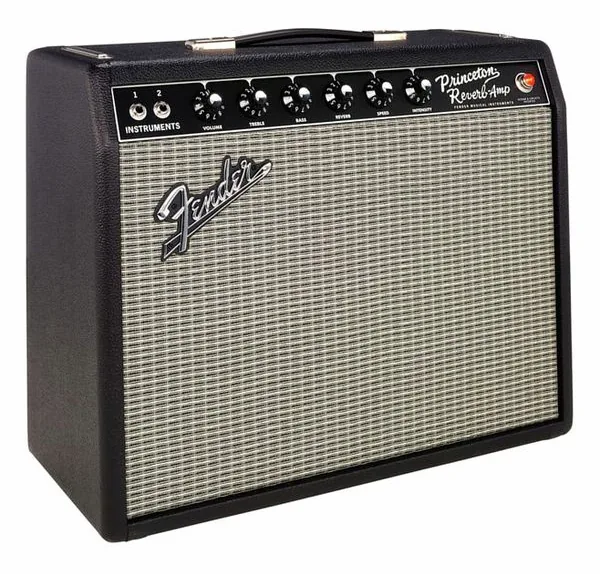
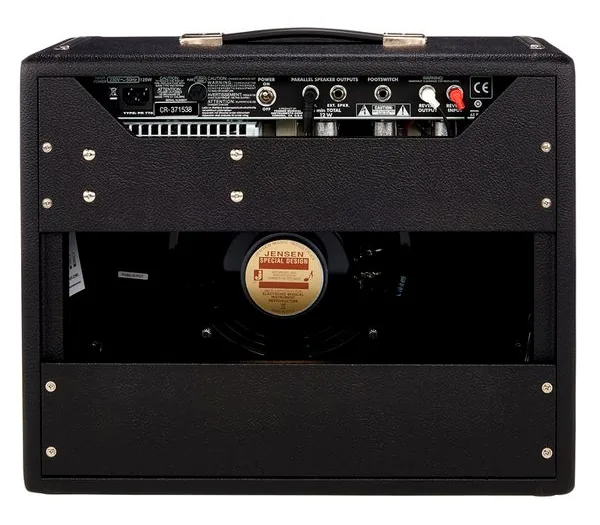
The Fender 65 Princeton Reverb stands as a mainstay in the vintage reissue amp lineup, priced at $1555. Released in July 2008, it's designed around the classic American tube combo blueprint, 12 watts of all-tube power, a single 10-inch Jensen ceramic speaker, and that unmistakable blackface control panel. Connectivity is kept streamlined with two guitar inputs, an external speaker jack, and a footswitch connection (switch and cover are included in the box). There's no line out, headphone output, effects loop, or MIDI interface, what you get is a circuit focused explicitly on core tone and essential features.
Dimensions come in at 40.6 × 50.5 × 24.1 cm (16 × 20 × 9.5 inches) and the amp weighs around 15.7 kg (34.6 lbs). In practical use, this is among the more portable full-tube combos, though, as expected for a tube unit, it's not featherweight. It features a pair of 6V6GT power tubes and a Jensen C-10R ceramic loudspeaker, elements central to the sonic profile and feel.
Construction, Controls, and Usability
The reissue mirrors the build of 1960s Princetons. Build quality is generally praised; most units come well-finished with tight Tolex, neatly installed panels, and a rugged enclosure that inspires confidence on stage or in the studio. Some users, though, have flagged occasional out-of-box issues, such as noise from particular cabinets or loose wiring. Wear on the footswitch and tube failures within warranty periods have also been noted, albeit these cases are not dominant and Fender's support, especially if bought through major dealers, is widely reported as responsive and effective.
Control layout is stripped for purpose: volume, treble, bass, reverb, speed, and intensity. Absence of a gain or middle control means sound-shaping stays true to the typical blackface character. Most users find this sufficient, especially for clean or edge-of-breakup tones, though super-high flexibility isn't on offer. The panel is sensitive to touch, small changes yield clear differences in response.
Sound: Cleans, Dynamics, Breakup
Where the Princeton Reverb excels is clarity and dynamic response. The clean tone is open and direct, with a glassy high end and firm bass that cuts well through a mix. With the Jensen 10-inch ceramic driver, treble is pronounced, sometimes excessively bright with single-coil guitars (Stratocaster or Telecaster), but easily reined in via instrument tone controls or by swapping speakers for a warmer character. Several users recommend alternatives such as an alnico Jensen for a softer top end, yet the stock speaker is faithful to the reissue spirit.
The amp delivers lively detail even at moderate bedroom volumes, but the "magic" typically blooms with the volume above 3, 4. Under this, some users note the amp can sound flat or require careful tweaking to achieve balance. Above this threshold, notes become rounder with a touch-sensitive attack. Push toward maximum volume and the Princeton steadily introduces vintage tube compression and gritty drive, classic for roots, blues, country, or classic rock. Noticeable: the breakup isn't modern high gain but a fuzz-edged, mid-compressed sound that can polarize. Some players turn to pedals (such as the Tube Screamer) for additional gain and color, which the amp accepts well despite lacking an effects loop.
Reverb and Tremolo Performance
The built-in spring reverb and tube bias tremolo are benchmarks. Reverb is lush and unmistakably "Fender", orchestral, with good depth, if a bit abrupt between low and high settings. Some users wish for finer control at subtle ranges, but overall, the effect stands out for its musicality and integration into the amp's core sound. The tube tremolo is equally praised: warm, pulse-driven, with finely dialed speed and depth. The effect depends slightly on proper tube bias, and a few units have been reported with less depth or clicky artifacts at low settings.
Use Cases: Studio, Practice, Live
For studio and home use, the amp shines at producing high-quality American clean sounds at manageable volumes. It's revered for recording guitars, Stratocaster, Jazzmaster, Les Paul, or even semi-hollow electrics, plus keys like Rhodes. In rehearsal or clubs, it keeps up alongside moderate drummers, especially when mic'd with a condenser and routed through a PA for monitoring and front-of-house sound. Above volume 5, headroom compresses and the amp stops getting significantly louder, focusing on saturation instead. For players needing louder cleans, the sibling Fender Deluxe Reverb remains a better choice.
Portability is generally a plus, but compared to solid-state or digital modeling amps, it's not a throw-in-the-bag solution; tubes are delicate, and the cabinet is robust but not ultra-light. Still, at 15.7 kg it's widely seen as gig-friendly.
Reliability, Weak Points, and Verdict
- Pros: Exceptional clean tones, reverb, and tremolo. Strong dynamic response. Compact tube format. Accepts pedals well. Classic Fender aesthetics and sound signature.
- Cons: Pronounced brightness stock, especially with certain guitars; some noise with high reverb or intensity. No gain control or effects loop. Occasional reports of cabinet or electronic reliability issues, especially footswitches. At high volumes, the 10-inch ceramic can lose composure, tighter bass than vintage but can vibrate cabinet parts.
In summary, the Fender 65 Princeton Reverb delivers a reference-level tube clean and edge-of-breakup at home, studio, or on smaller stages. Quality control can be variable, check your unit carefully on arrival, but for players who value lively cleans, deep authentic spring reverb, and true tube tremolo, there's almost nothing else in its class that matches the sonics and tactile feel. Those chasing modern high gain or full-featured digital flexibility should look elsewhere. For quintessential American clean and roots-driven crunch, the Princeton Reverb is a best-in-category amplifier, still the heart of many studios and live rigs decades on.
Shipping and duties
The retailer ships from its warehouse in Germany. Prices are shown in US dollars and do not include import duties. Orders under roughly $800 usually clear US customs without duty; above that, a duty of a few percent may be collected on delivery. 30-day money-back and a 3-year warranty apply.
Scores by area
Where it shines, where it stumbles
What convinced me
- Exceptional clean sound with the signature full-bodied, sparkling character expected from the brand
- Authentic tube-driven spring reverberation and tremolo, both praised as outstanding
- Compact and relatively lightweight for an all-tube amplifier
- Works exceptionally well at moderate volumes, suitable for home, studio, and small gigs
- Excellent dynamic response and articulation, enhances playing nuance
What bugged me
- Noticeable background noise or hum, especially when using reverb or tremolo above moderate settings
- Some reliability concerns, especially with footswitches and tube or assembly issues in several units
- Lacks extra features like an effects loop, gain control, or headphone output
- Limited headroom for very clean sounds with a loud drummer or at larger venues
- Prone to unwanted cabinet vibrations or rattles at higher volumes, sometimes requiring DIY fixes
Is it the right one for you?
Good pick if
Ideal for vintage tone seekers, professional and semi-professional players recording or performing in small to medium environments, and guitarists drawn to authentic clean and edge-of-breakup tube sound. Perfect for home studios, jazz, blues, classic rock, and surf style enthusiasts, as well as anyone valuing inspiring analog reverb and tremolo.Look elsewhere if
Not suited for metal or modern high-gain players requiring massive output or ultra-quiet operation. Those needing extensive features like channel switching, effects loops, or bedroom-level playing at full dynamic range may find it limited. Also less appropriate for individuals unwilling to address potential minor build quirks.Suggested level: Intermediate
Specifications
- Power rating in w
- 12 W
- Speaker size
- 1x 10"
- Power amp tubes
- 6V6
- Channels
- 1
- Reverb
- Yes
- External fx loop
- No
- Recording output
- No
- Midi interface
- No
- Connection for external speaker
- Yes
- Headphone connection
- No
- Footswitch connection
- Yes
- Incl. footswitch
- Yes
- Weight in kg
- 12,7 kg
What other players say
Customers almost unanimously praise the amplifier for its warm, articulate cleans and stunning tube-driven spring reverb and tremolo, noting that these effects set it apart from other amps. Its manageable size makes it suitable for home use, recording, and small-scale gigs, but its output limits ultra-clean headroom when competing against a powerful drummer. Reliability concerns surface in several reviews, mainly regarding minor rattles, footswitch failures, tube issues, and build consistency. The price is considered steep for its vintage simplicity, but for players seeking legendary classic sounds, it remains an essential choice.
The sound is exactly what comes to mind when thinking about a classic clean amp, just wonderful.
The spring reverb and tremolo can get you a fantastic 60s vibe and if you use it in creative ways you can get newer sounds with it too.
For my music, rock and pop cover oldies, these 12 tube watts are more than enough.
Up close
Watch and listen
Questions players ask
Is the Princeton Reverb loud enough to play with a drummer in a rehearsal or small gig?
Yes, most users report it keeps up in smaller band settings, but clean headroom is limited at high volumes. For larger venues or if you need pristine cleans at higher volumes, miking through a PA may be necessary.
How does the reverb and tremolo compare to digital or modern effects?
Both are highly praised for their authentic, analog depth and warmth, offering a character hard to emulate with digital solutions.
Does the Princeton Reverb work well with pedals?
Generally yes, especially front-end distortion, overdrive, modulation, and delay pedals. It lacks an effects loop, so time-based effects must be placed before the amp.
Is this amp suitable for home practice?
It's popular for home and studio use, producing rich tones even at low volumes, but breakup and dynamic range shine mid-volume, consider an attenuator for full character at lower loudness.
Are there any common issues with reliability or build?
Some users report rattling panels, microphonic tubes, noisy reverb, or faulty footswitches. While customer support is usually strong, check your unit carefully upon arrival.
The last word from the bench
The Fender 65 Princeton Reverb excels at delivering lush clean tones, dynamic response, and the classic spring reverb that sets it apart from imitators. While some users report minor build issues and limitations at higher volumes, its sound quality and versatility in manageable spaces remain unrivaled. Particularly strong for recording and moderate gigging, this amp is a staple for those seeking classic tube-driven character. Its price and quirks are justified if authentic vintage tone is your top priority.
Hanging next to it
Before you decide
Fender 65 Princeton Reverb
Today's price and delivery time are shown at the retailer. Affiliate link, your price does not change.
 Guitar Gear Reviews